Tag Archives: plumbing fixtures

A Guide to Selecting Plumbing Fixtures for Your Chicago Residence

A Guide to Selecting Plumbing Fixtures for Your Chicago Residence

The plumbing fixtures in your Chicago home should not be chosen solely for their utility. Maybe because they are one of the first things people see when they enter your kitchen or bathroom, plumbing fixtures bring a quiet appeal to your home that is hard to replicate with other home features, says 33 Management company

At the same time, gaudy plumbing fixtures can also draw too much attention to themselves. They make it look like you are trying too hard to impress visitors. Ideally, you want the quality and elegance of your home’s plumbing fixtures to be apparent yet understated at the same time.

How do you reach this delicate balance between attention-grabbing and inconspicuous plumbing fixtures? How can you make the plumbing fixtures in your Chicago home visually appealing while being easy to use, long-lasting, and contributing to water conservation?

Think of the following factors before buying plumbing fixtures for your home;

  1. Your home’s style and design

Design refers to the layout and structural aspects, while style denotes the aesthetic choices that create the home’s overall look and feel. The plumbing fixtures you choose must complement both the design and style of your home.

  • Maintain visual harmony: Create a consistent appearance using complementary finishes across bathrooms and the kitchen. In contemporary settings, default to minimalist designs with clean lines. If working in an older home, fixtures with larger proportions work better.
  • Size and placement: Faucet handles, for instance, should be proportionate to the size of sinks. All fixtures should have sufficient clearance for ease of use.
  1. The function of the fixtures

Practical considerations should not be overlooked in favor of aesthetic appeal.

  • Consider your needs: How is water used in the space, and how many people will use the fixture? This question considers not only the fixture’s location but also its capacity, convenience, and operation.
  • Practicality and ease of use: Touchless faucets minimize germ transmission and require less cleaning. With pull-out sprayers, you have flexibility and superior reach. Showerheads with adjustable spray patterns can satisfy the needs of different users. Low-flow faucets and showerheads help to conserve water and save money.
  1. Materials and durability

The type of materials you choose plays a role in the appearance and longevity of your plumbing fixtures. It is also a huge factor in how much maintenance they need. All materials have unique pros and cons.

  • Brass fixtures offer antimicrobial properties with exceptional durability and a high price tag.
  • Stainless steel is resistant to corrosion and will maintain its appearance with minimal care.
  • Chrome is durable and affordable but fairly common.
  • Bronze is excellent for traditional décor styles because it develops character as it ages.

The right material for your kitchen and bathroom fixtures depends on your home’s style, your budget, and the materials’ maintenance needs.

  1. Water efficiency

Water-efficient plumbing fixtures – from high-efficiency toilets to low-flow showerheads and faucets – help you conserve water and save money while making your home more attractive to potential buyers. When buying these fixtures:

  • Consider flow rate: The fixtures should save water without diminishing the satisfaction of users. Pay attention to each fixture’s flow rate and efficiency.
  • Look for the WaterSense label: Fixtures that carry this label have been tested and certified by the EPA to use at least 20% less water than standard models. They will do this without affecting performance.
  1. Ease of maintenance

If it is a lot of work to maintain a plumbing fixture, that fixture may lose its visual appeal in the eyes of the owner. Plumbing fixtures that are easy to clean save you money and time. Things to consider include:

  • The material and finish: Fixtures that are corrosion and wear-resistant are better. If a fixture is not prone to water spots, that is a plus. Fixtures with smooth surfaces are easier to clean.
  • Accessible features: The internal components of a fixture should be easy to access for maintenance and repair. Avoid fixtures with hard-to-reach areas.
  1. Costs and savings

This is not just about the dollar cost of buying the item. It includes the long-term cost of owning it (maintenance) and potential savings. Quality plumbing fixtures with higher upfront costs often result in more long-term savings.

Quality fixtures also help you make money by improving the market value of your home. When buying a plumbing fixture, balance the cost of the item against the potential savings from that purchase. Remember that low-priced fixtures may need to be replaced prematurely. 

  1. Installation

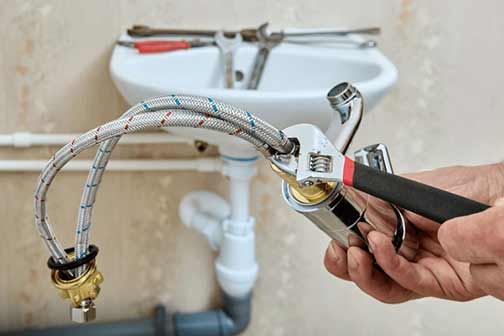
Can you install the plumbing fixture yourself, or do you have to hire a professional? Will the fixture work with your existing plumbing or require extensive modifications?

  • Check for compatibility: For instance, wall-mounted faucets may require the water lines to be moved. Does the existing plumbing impose limitations on your options?
  • City plumbing codes: Ensure compliance with the Chicago Plumbing Code. If you plan to modify the plumbing, think of the required permits.

Finally, it is a good idea to get professional guidance when planning an upgrade of the plumbing fixtures in your home. A qualified Chicago plumber will adopt a more holistic approach that can help you maximize the function and appeal of your new fixtures while avoiding future troubles.

Storing and Caring for Plumbing Fixtures in Hot Climates

 A person opening a faucet of a bathtub

Plumbing fixtures are crucial in every home or business, ensuring water flows where needed. In hot climates, these fixtures require extra attention to prevent damage from heat, dryness, and temperature fluctuations. Proper storage and maintenance practices can extend their lifespan and maintain functionality. This guide provides detailed steps and insights for storing and caring for plumbing fixtures in hot climates.

Understanding the Challenges of Hot Climates

Hot climates pose specific risks to plumbing fixtures. Intense heat can warp certain materials, cause rubber seals to dry out, and lead to premature corrosion. Humidity fluctuations can exacerbate these issues by promoting rust or mold growth. Getting professional help from a plumber to recognize these challenges could be the first step to protecting your plumbing fixtures.

Choosing the Right Storage Location

Selecting a proper storage area is vital in hot climates. Aim for a cool and shaded location away from direct sunlight. Garages and outdoor sheds can be used, but they should have adequate ventilation to avoid excessive heat buildup. Choose indoor spaces with climate control to stabilize temperatures and humidity if possible.

Preparing Fixtures for Storage

Before storing plumbing fixtures, ensure they are clean and dry. Residual water can lead to rust, mold, or bacterial growth, especially in metal components. Use a mild cleaning solution to remove dirt and deposits, and dry fixtures thoroughly with a soft cloth. Disassemble fixtures with moving parts carefully to reduce strain on joints and seals during storage.

Protecting Fixtures from Heat and Humidity

Heat-resistant covers or wraps can provide extra protection for plumbing fixtures. Materials such as insulated foam or heavy-duty plastic are excellent options. These coverings shield fixtures from heat exposure and help maintain a stable environment. Consider using silica gel packets or dehumidifiers to absorb excess moisture in areas with high humidity.

Caring for Plumbing Fixtures

Rubber seals, gaskets, and plastic parts are particularly vulnerable in hot climates. High temperatures can cause them to dry out, crack, or lose elasticity. Apply a silicone-based lubricant to rubber components to keep them supple and prevent drying. Store plastic parts in airtight containers to protect them from heat and dust.

Preventing Corrosion in Metal Fixtures

Metal plumbing fixtures, such as faucets and pipes, are prone to corrosion when exposed to extreme heat and humidity. To combat this, apply a thin layer of rust-preventive oil or spray to metal surfaces before storage. Ensure fixtures are stored in a dry environment to reduce exposure to moisture, which accelerates rust formation.

Fifty shades of rust printed logo on a rusty surface

Caring for plumbing fixtures means preventing corrosion.

Inspecting Fixtures Regularly

Even when stored correctly, plumbing fixtures should be checked periodically for signs of damage. Look for cracks, warping, or discoloration in plastic parts, and inspect metal components for rust or corrosion. Rubber seals should remain soft and pliable, not brittle or cracked. Regular inspections allow you to address potential issues before they worsen.

Handling Plumbing Fixtures During Moves

Hot climates can make moving plumbing fixtures challenging. Heat and rough handling can damage delicate components. Partnering with professional and reliable movers ensures your fixtures are transported safely. As a trusted name in professional moving services, Good Neighbors Moving Company specializes in carefully transporting items, including fragile plumbing fixtures. Their experienced team understands the importance of secure packaging, careful loading, and safe delivery. By partnering with them, you can ensure that your plumbing fixtures arrive at your new location intact and ready for installation, saving you time, stress, and potential repair costs.

Long-Term Maintenance Tips for Hot Climates

Regular maintenance is essential for caring for plumbing fixtures exposed to hot climates. Clean them frequently to remove mineral buildup, which is more common in areas with hard water. Inspect and replace rubber seals periodically, as heat can cause them to deteriorate over time. For outdoor fixtures, use weather-resistant covers to shield them from the elements.

Reinstalling Stored Fixtures

When it’s time to reinstall stored plumbing fixtures, clean them thoroughly to remove any dust or residue accumulated during storage. For metal fixtures, wipe off any rust-preventive oils. Reassemble all components carefully, ensuring seals and gaskets are securely in place—inspect fixtures for leaks and proper functionality before full use.

The Role of Water Quality in Hot Climate Maintenance

Water quality plays a significant role in the longevity of plumbing fixtures, especially in hot climates. High mineral content, common in areas with hard water, can lead to scaling and clogging over time. These issues are exacerbated in heat, as mineral deposits tend to harden more quickly. To mitigate this, consider installing a water softener or filtration system to reduce the mineral content in your water. This preventive step protects your plumbing fixtures and ensures smoother water flow and better performance over time.

 A stainless faucet with running water

High mineral content, common in areas with hard water, can lead to scaling and clogging over time.

Eco-Friendly Storage and Care Solutions

Incorporating eco-friendly solutions into the care of plumbing fixtures is another forward-thinking approach. To minimize environmental impact, opt for biodegradable cleaning agents and rust-preventive sprays. For storage, recycled or sustainable materials can be used for protective covers and containers. Solar-powered dehumidifiers are another innovative option, offering a green way to control humidity in storage areas. These practices maintain your fixtures effectively and align with environmentally conscious values, creating a win-win for homeowners and the planet.

Final Thoughts

Caring for plumbing fixtures in hot climates requires proactive measures to protect them from heat, humidity, and wear. By selecting the right storage solutions, using protective materials, and committing to regular maintenance, you can preserve the quality and functionality of your fixtures for years to come. Whether you’re storing items temporarily or preparing for a move, these steps ensure your plumbing fixtures remain in excellent condition.

How to Save Money and Water Using Plumbing Fixtures

How to Save Money and Water Using Plumbing Fixtures

An efficient building is not only sustainable but cost-efficient as well. One way of saving operational costs is through the strategic use of the water supply using various plumbing fixtures. To reduce water costs, you can use these fixtures and tips to ensure that you are using your water efficiently:  

Regular Maintenance  

The primary cause of water waste is leakage, and you might not see them until they necessitate a significant repair. Minor plumbing issues that you initially thought were irrelevant can cause considerable damage and inconvenience to the building occupants.  

A well-maintained plumbing system can help you reduce costs. A plumber will inspect for leaks in the faucets, drainage, and toilets during the inspection.  

Install access doors in critical locations to make things more convenient for the plumber during maintenance or repair. A stainless steel access door with a surface mount is an excellent way of providing access to plumbing components while protecting them from unauthorized access.  

Install a Quality Shower Head

Another standard fixture notorious for wasting water is broken or outdated shower heads. Experts suggest using high-quality shower heads since traditional models use up to two and a half gallons of water per minute. Newer models effectively reduce the volume of water that travels through the shower head. 

Invest in Valves That Reduce Pressure  

A skilled plumber must check the water pressure as routine maintenance. If the PSI is unusually high, they may advise you to install a pressure-reducing valve (PRV). It’s applicable in many settings, including apartments, where the average plumbing system can operate at 35 psi.  

The issue is that many people are unaware that they are using significantly more pressure than is necessary. You can reduce water pressure by installing these valves on your main supply line. It reduces the amount of waste and extends the life of your plumbing.  

a water saving showerhead.

Experts suggest using high-quality shower heads since traditional models use up to two and a half gallons of water per minute.

Switch to High-Efficiency Toilets   

Older toilets tend to use about 3.5 gallons every flush and are a significant source of water waste. Newer, highly efficient models can cut flush volume to as little as 1.3 gallons. These toilets can reduce flushes by incorporating gravity and air pressure into the design. The upgraded feature allows the removal of waste without consuming much water.  

The following are examples of variations that you can apply to your setting:  

  • Waterless urinals for commercial use  
  • Dual flush toilets  

 Install Water-Saving Faucets   

Decreasing the volume of water you utilize will help you save money and energy. According to the EPA, faucets account for 15% of indoor residential water use. Another study found that water-saving taps can keep your water consumption by 15%. As a result, it would be best to upgrade your faucet to one suitable for your plumbing fittings.  

Purchasing gaskets and aerators for your tap is also a wise decision. You can reduce water flow while keeping the pressure when you do so. The update will reduce your water consumption from 2.2 gallons to 1.5 gallons per minute.  

 Recirculate Your Hot Water Systems  

The distance between you and your heat source may cause some water waste. The farther it is from the outlet, the longer it takes for you to get your hot water. It can waste water if you wait for the correct temperature. Prevent this by recirculating the pump transporting water to the outlet.  

Check if your system sends hot water from your supply to your taps or showers to prevent waste from the cold water that drains as you wait. You can also conserve water by doing regular water heater maintenance to prolong the life of your water heater.  

The Takeaway  

Maximizing your potential to save water by making your plumbing more efficient is necessary for this day and age as many industries aim toward sustainability.

Knowing and understanding the benefits and how they impact your building over time would require professional help, so ensure that you work closely with an expert plumber to guarantee the best outcome for your setting.