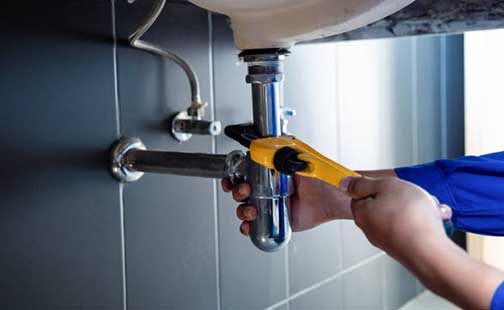
The plumbing systems in many of River North’s older buildings still feature materials like galvanized steel and cast iron pipes, which were the staples for plumbing systems in homes built around the late 1800s and early 1900s. Like many aging systems in historic neighborhoods, these setups highlight the importance of modern housing services such as Whitetail rental solutions when addressing maintenance and infrastructure concerns.
Their inherent vulnerabilities severely limit their ability to play their role effectively and also predispose the buildings where they are installed to several potentially catastrophic problems. Common issues associated with galvanized steel and cast-iron pipes include:
- Rust and corrosion (tuberculation)
Galvanized steel and cast-iron pipes tend to rust from the inside out, making their channels rough and narrow. This increases the risk of clogs and blockages happening in the plumbing system.
- Compromised structural stability
Over time, persistent rust and corrosion weaken the pipes, making them brittle. As the walls of the pipes thin out, the entire line becomes even more prone to leaks, bursts, and various kinds of severe damage.
- Water quality issues
Corroded galvanized steel and cast-iron pipes leach iron into the water supply. The lead trapped within the pipes also finds its way into the water. Drinking water may acquire a strange color because of the rust particles inside it.
- Persistent clogs, leaks, and blockages
Due to these problems, plumbing systems that contain these types of materials are highly susceptible to leaks and blockages. This limits their functionality and increases the home’s maintenance costs.
- Water pressure issues
The home may also suffer from persistent low water pressure due to the narrowed diameter of the pipe channels. This can have consequences for the efficiency of plumbing fixtures and home appliances.
- Higher insurance costs
Homes with galvanized steel and cast-iron plumbing are considered a major risk by insurers because of the aforementioned problems. This can result in higher premiums or even make the home uninsurable.
Another issue in older River North buildings is that many of them use a two-pipe system, which is used to deliver either cool or hot air to the home. While this system offers advantages in terms of its cost-effectiveness, it also has a serious limitation. It cannot provide simultaneous heating or cooling to different sections of the home.
What can owners of older River North homes with these types of plumbing systems do to fix these problems? The solution is to undertake strategic upgrades of the entire plumbing system or sections of it. Below, we discuss the recommended upgrades that will give homeowners the best bang for their buck.
Plumbing upgrades for older River North (Chicago) buildings
The plan that follows can be done in phases, instead of all at once, because of the potential high cost of the recommended upgrades.
- Conduct a thorough assessment of the plumbing
This step helps to establish a baseline of the current condition of the building’s plumbing systems. It will identify the problems, their extent, and locations. Based on this information, a professional plumber can design the most pragmatic plan for addressing the problems in a cost-effective manner.
Typically, assessing the plumbing involves conducting a sewer camera inspection to check the system for old pipe materials like lead, galvanized steel, cast iron, or clay. This helps the plumber map the system to establish the location of every component before actual work begins. This step helps to save money and time.
- Replace the older pipes with modern materials (repiping)
This is the only way to properly address the core issues affecting the building’s plumbing systems. Any other solution is a mere stopgap that does not address the real problem at the root. Repiping a home is the process of replacing outdated, corroded, or broken pipes in the plumbing system with modern materials.
There are two ways that repiping can be done: traditional or trenchless. Traditional methods involve the complete removal and replacement of old pipes and the installation of new ones. It is costlier because it involves the excavation of the old pipes. However, it offers the overall best results. It is the preferred method for most older buildings.
Trenchless pipe replacement does not involve excavation, and it is more affordable. It is the preferred method when replacing a section of the old plumbing system, rather than the entire line. There are two types of trenchless repiping methods: pipe lining and pipe bursting. The right method for the building depends on the nature of the problems.
- Plan for phased upgrades
A phased plan allows homeowners to gradually replace the obsolete pipes in their plumbing system over a period. This helps to minimize the financial impact of the project on the owner. When using this approach, it is vital that risks are properly assessed and the plan must address the most critical parts of the system first.
Conclusion
For River North homeowners experiencing issues with outdated pipes in their plumbing system, the first step is to find a reputable plumber in River North Chicago to work with. A good plumber will execute the project with maximum efficiency, while also ensuring that the new system is installed to code and performs optimally.