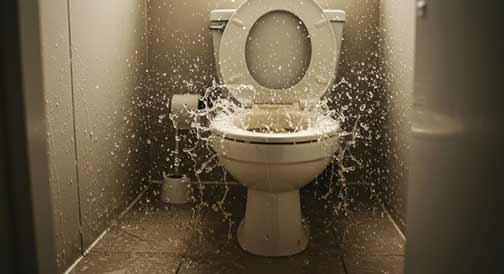
Toilets are not one of those things we routinely think of replacing in our homes. For some reason, everyone expects their toilet to last forever. But can a toilet actually become too old? At what age should you consider replacing it? Do toilets wear out?
Yes, toilets do wear out according to BanCal Properties. However, a well-maintained toilet can function for up to 50 years, as the most durable parts—the bowl and tank—are engineered to last.
So if the bowl and tank are in fairly good shape, most people will assume that their toilet is fine. But toilets don’t wear out in the same way that other parts of your plumbing do.
Toilets come with lots of smaller components that can break down. When a toilet starts to show signs of trouble, the issues are often in these other features of the toilet, not the tank and bowl.
This is why it is a good practice to consider replacing your toilet when it reaches age 10-15. By that time, the toilet may have become inefficient. It could also be outdated.
What are the signs to look for in your home to know when it is time to replace your toilet?
Signs that you should replace your toilet
- Water puddles
Frequent water puddles at the base of your toilet could mean a broken wax seal (wax ring) or cracks in the tank. This problem is also caused by hairline cracks in the toilet bowl. A toilet with cracks in the bowl or tank will still work well, but that does not mean it is safe to use. A leaky toilet can cause major sanitary issues and massive water damage in your home.
- Wobbly toilet
An unsteady toilet bowl poses a risk of serious injury if it cracks. If a toilet is rocking, the problem could be from the toilet bowl, or the result of loose bolts, worn-out flanges and uneven floors. The best way to pinpoint the root cause of the problem is to have a bathroom plumber inspect the toilet.
- Frequent repairs
Toilets are relatively simple fixtures that should not have to be a constant source of pain. If your toilet needs frequent repairs, especially if the same issues keep happening, you are better off with a new toilet. This issue is common with some toilet brands. Replacing the problem toilet will save you money.
- Repairs are too costly
The toilet bowl and tank may be in good condition, but if the rubber, plastic, and metal components have degraded, the labor cost of replacing them may be nearly as high as the cost of a new toilet. In these situations, it is more cost-effective and time-saving to replace the old toilet.
- Loss of efficiency
An old toilet can work perfectly and still be inefficient. In the past, toilets were not designed with water efficiency in mind. But times have changed; energy and electricity are expensive, and we are more aware of the environmental impact of our actions. If the toilet is increasing your utility bills, consider replacing it with a new model that uses less water.
- The toilet doesn’t flush well
Even low-flow toilets can have problems with flushing if they belong to the earlier generations of these products. This issue is worse in locations with hard water due to the problem of mineral buildup inside the tiny ports around the rim of the toilet bowl and the siphon jets. If this happens, your toilet won’t flush well, and you must replace it.
- Outdated style
The only issue with a toilet may be that its style is outdated. But this is not just about aesthetics; it is also about ergonomics. Older toilets often have rounded bowls that are not as comfortable as the elongated bowls commonly used today. Moreover, elongated toilet bowls are easier to clean, and they do a better job of trapping bad odors.
What to think of when buying a new toilet
If there were things you did not like about your old toilet, this is your chance to fix them. Before buying a new toilet, make a mental list of the things you want that new toilet to have. Here is a list of items to keep in mind when buying a new toilet.
- Measure the toilet rough-in to make sure the new toilet’s base will fit your space
- Ensure you have enough clearance, both for building code requirements and for comfort
- Consider the type of bowl shape that will make sense for the amount of space you have
- What works best for you: a gravity-feed flushing system or a pressure-assisted system?
- Should you buy a one-piece toilet that’s easier to clean but costlier or a two-piece system?
- What additional features will the toilet need?
Before making your final decision, you may want to talk to a professional plumber. Remember that a toilet is something you use every day and you will live with for the next decade at least, so make sure the toilet you buy is the best one for your family’s needs.