Understanding the Importance of Your Main Water Line: The Lifeline of Your Home
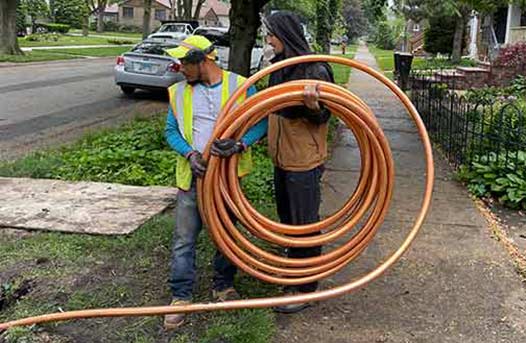
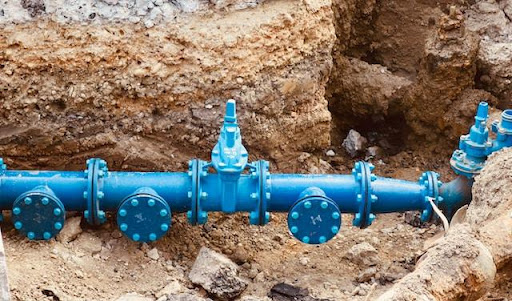
The main water line serves as the lifeline of your home’s plumbing system, acting as the primary conduit for water supply. It connects your residence to the municipal water source, ensuring that clean, potable water is delivered for various household needs, from cooking and cleaning to bathing and drinking. Given its critical role, maintaining the health of your main water line is not just a matter of convenience but a necessity to avoid disruptions in water service and prevent potential damage to your property. A well-functioning main water line is essential for the overall well-being of your household, ensuring that your daily routines proceed without interruption.
Recognizing the Signs of Trouble: Red Flags in Your Main Water Line
Identifying the warning signals that indicate your main water line may need replacement is vital. These red flags can help you take timely action to prevent further complications. Here are some critical signs to watch for:
Persistent Low Water Pressure: An Indicator of Underlying Issues
Experiencing consistently low water pressure throughout your home can be a sign of a deteriorating main water line. While occasional fluctuations in water pressure might be normal, persistent low pressure often indicates issues such as blockages, leaks, or corrosion within the line. These problems can gradually worsen over time, leading to more significant disruptions in your water supply. Addressing low water pressure issues promptly can prevent further damage and ensure that your plumbing system operates efficiently.
Unexplained Increase in Water Bills: A Financial Red Flag
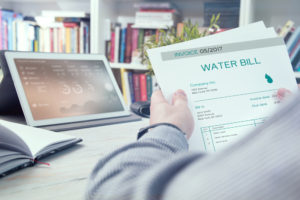
If you notice a sudden spike in your water bills without any significant change in usage, it could be due to a leak in your main water line. Leaks can lead to water wastage, causing your bills to rise unexpectedly. Monitoring your water bills can help you identify such issues early, allowing you to take corrective action before the problem escalates. Leaks not only waste water but also strain your budget, making it essential to address them promptly to avoid unnecessary expenses.
Visible Water Damage or Wet Spots: Signs of a Hidden Leak
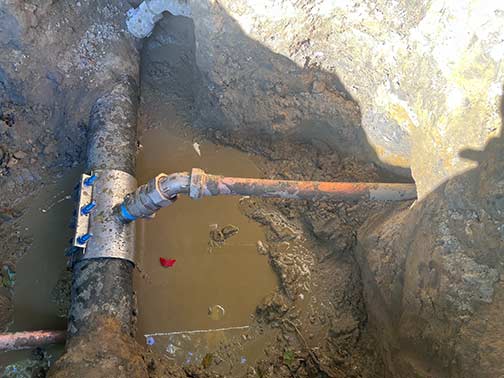
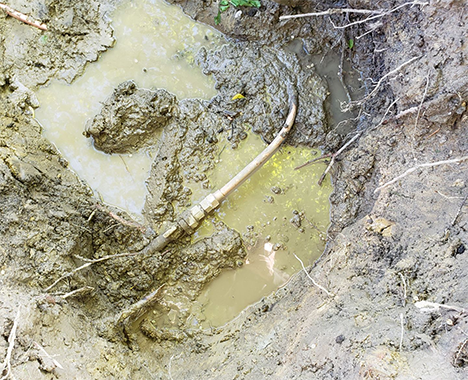
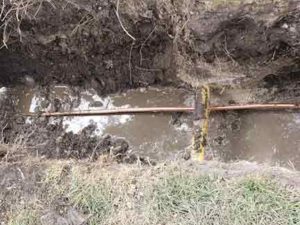
Water damage in areas around your property, such as wet spots on the lawn or damp patches on walls and floors, can indicate a leaking main water line. These signs should not be ignored, as they may lead to structural damage and mold growth if left unaddressed. Water damage can compromise the integrity of your home’s foundation and create an environment conducive to mold, which poses health risks to your family. Identifying and repairing leaks early can help prevent these issues and protect your home.
Discolored Water: A Sign of Corrosion or Contamination
Water that appears discolored or has an unusual taste or odor may be a sign of corrosion or contamination in your main water line. This can occur as pipes age and deteriorate, allowing rust and other particles to mix with the water supply. Discolored water is not only unappealing but can also indicate potential health hazards, making it crucial to address the issue promptly. Ensuring that your water supply remains clean and safe is essential for the health and well-being of your household.
The Impact of Ignoring Water Line Issues: Consequences of Neglect
Neglecting the signs of a failing main water line can have serious consequences for your home. Water damage can lead to costly repairs, while persistent leaks may contribute to mold growth and structural deterioration. Additionally, compromised water quality can pose health risks to your household. Ignoring these issues can result in more significant problems down the line, affecting not only your home’s infrastructure but also your family’s safety and comfort. Proactively addressing water line issues is essential for maintaining the integrity of your home and ensuring a safe living environment.
Steps to Take When You Suspect Water Line Problems: A Proactive Approach
Taking proactive measures when you suspect issues with your main water line is crucial. Here are steps you can follow to address potential problems:
Conduct a Thorough Inspection: Identifying the Source of the Problem
Begin by inspecting your property for signs of water line damage. Look for wet spots, water damage, and any unusual changes in water quality. A comprehensive inspection can help you pinpoint the source of the problem, allowing you to take targeted action. Regular inspections can also help you stay ahead of potential issues, ensuring that your plumbing system remains in good condition.
Contact a Professional Plumber: Seeking Expert Advice
Once you’ve identified potential issues, it’s advisable to contact a professional plumber. An experienced plumber can assess the condition of your main water line and recommend appropriate solutions, including repair or replacement. Professional plumbers have the expertise and tools necessary to diagnose and address water line problems effectively, ensuring that your plumbing system is restored to optimal condition.
Consider Water Line Replacement: Ensuring Long-Term Reliability
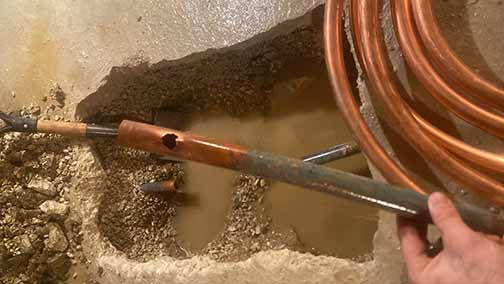
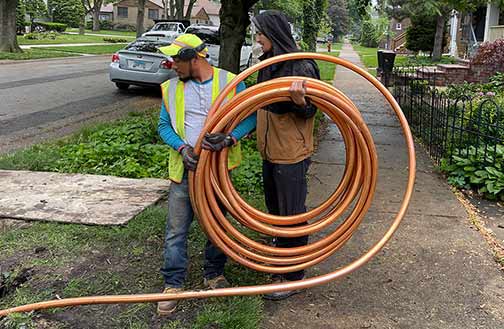
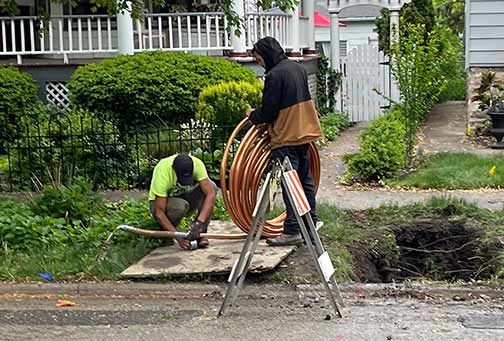
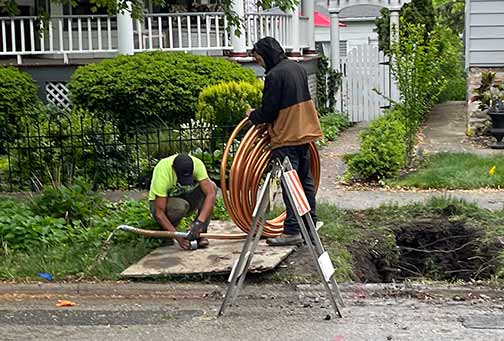
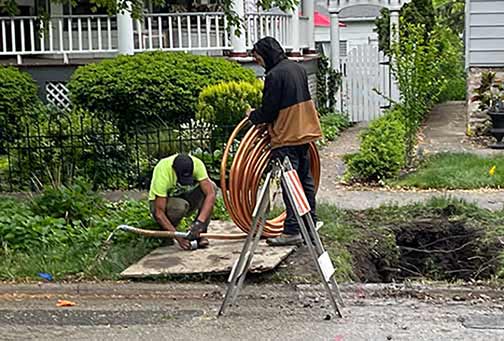
If your main water line is significantly damaged or aged, replacement may be the best option. Replacing the line can ensure a reliable water supply and prevent future issues. Discuss the options and costs with your plumber to make an informed decision. Investing in a new water line can provide peace of mind, knowing that your home’s water supply is secure and dependable.
Preventive Measures to Maintain Water Line Health: Strategies for Longevity
Maintaining the health of your main water line involves regular inspections and preventive measures. Here are some strategies to keep your water line in optimal condition:
Regular Maintenance Checks: Keeping Your System in Check
Schedule regular maintenance checks with a professional plumber to assess the condition of your water line. Routine inspections can help detect issues early and prevent major damage. Regular maintenance is a proactive approach to ensuring that your plumbing system remains in good working order, reducing the likelihood of unexpected problems.
Invest in Quality Materials: Building a Durable System
When replacing or repairing water lines, invest in high-quality materials that offer durability and longevity. Quality materials can reduce the risk of corrosion and leaks, ensuring a reliable water supply. Investing in the best materials available can extend the life of your water line and provide long-term benefits for your home’s plumbing system.
Monitor Water Usage: Staying Vigilant
Keep an eye on your water usage and bills. Unexplained increases in usage may indicate leaks or other issues. Monitoring your water consumption can help you detect problems early, allowing you to take corrective action before they escalate. Staying vigilant about your water usage is an essential part of maintaining a healthy plumbing system.
Conclusion: Ensuring the Longevity of Your Main Water Line
Spotting the red flags of a failing main water line is crucial for maintaining your home’s plumbing health. By recognizing the signs early and taking appropriate action, you can prevent costly repairs and ensure a reliable water supply. Regular maintenance, professional consultations, and investing in quality materials are key strategies for extending the life of your main water line. Protect your home and family by staying vigilant and proactive in managing your plumbing system. With the right approach, you can safeguard your home’s water supply and enjoy peace of mind knowing that your plumbing system is in top condition.