Tag Archives: kinds of plumbing pipes

What Chicago Homeowners Need To Know About Their Plumbing Pipes

What Chicago Homeowners Need To Know About Their Plumbing Pipes

Plumbing systems are one of the most important inventions of our time, says Atara Property Management company. Without the vast network of pipes and connections that deliver clean water to your home while also removing wastewater from the house, you could not have a modern home.

At the heart of the plumbing system are the pipes that run to and from the house. These pipes ensure your home’s clean water supply and the disposal of wastewater. Plumbing pipes play a vital role in maintaining your hygiene and your family’s health. 

But what do you know about the plumbing pipes in your home or the different types available in the market? Below, we explain different types of plumbing pipes, their pros and cons, and how to choose the right plumbing pipes for your home.

Types of plumbing pipes with their pros and cons

  1. Copper pipes

Copper is one of the oldest materials used in water pipes. It is still a popular option today. There are two types of copper piping used in homes: rigid copper and flexible copper tubing.

Pros and cons of copper pipes

  • Longevity: Copper pipes can last as long as 50 years.
  • Strength: They are durable – resistant to leakage and corrosion.
  • Safety: Their antibacterial qualities make them very safe.
  • Temperature-resistant: Copper can withstand extreme temperature changes.
  • Costly: Copper is expensive, and the prices are going higher.
  • Environmental cost: Mining copper comes at a cost to the environment.
  1. Galvanized steel pipes

This pipe material used to be popular, but demand for it is fading. They can still be found in plumbing systems that were installed before the end of the 1980s.

Pros and cons of galvanized steel pipes:

  • Durable: They are very rigid and can withstand heavy loads.
  • Slightly affordable: They are cheaper than copper pipes.
  • Easy to install: Because the pipes are threaded, they can screw into each other.
  • Short lifespan: Compared to other materials, they have a short lifespan.
  • Rust: The pipes will rust if the galvanization process wears off.
  • Clogs: Due to mineral buildup inside the pipes, they clog easily.
  1. Polyvinyl chloride (PVC) pipes

Made by combining vinyl and plastic at high temperatures, these pipes are growing in popularity. They are suitable for a wide range of applications.

Pros and cons of PVC pipes

  • Longevity: PVC pipes last longer than copper pipes.
  • Strong: They can handle high water pressure.
  • Ease of installation: Because of their lightweight, they are easy to transport and install
  • Cheap: PVC pipes are relatively inexpensive
  • Warping: Plastic pipes are not ideal for transporting hot water
  • Size: There are limited size options
  1. Chlorinated Polyvinyl Chloride (CPVC) pipes

CPVC is a close relative of PVC but is more advanced than PVC. CPVC is often used in applications where PVC is not suitable.

Pros and cons of CPVC pipes

  • Longevity: It has a similar lifespan to PVC.
  • Tough: It can withstand high water pressure.
  • Temperature-tolerant: Unlike PVC, it can withstand temperatures of up to 200°F.
  • Easy of use: It is lightweight and easy to install.
  • Limited use: It can only be used indoors because it does not tolerate sunlight.
  • Cost: It is costlier than PVC.
  1. Cross-Linked Polyethylene (PEX) pipes

This is a relatively new type of plastic pipe. The major difference between it and PVC or CPVC is that it is flexible.

Pros and cons of PEX pipes

  • Longevity: If they are not damaged PEX pipes can last indefinitely.
  • Flexibility: They don’t need a lot of connectors because they can make 90° turns.
  • Temperature-tolerance: PEX pipes can withstand high temperatures.
  • Resistant to freezing: When they freeze PEX pipes expand instead of bursting.
  • Limited use: They can only be used indoors.
  • Taste and odor: They give a slight taste and odor to water.
PEX plumbing pipes in chicago
If they are not damaged PEX pipes can last indefinitely.

How to choose the right plumbing pipes for your home

When choosing plumbing pipes for repiping for your home, consider the following factors:

  1. Function

There are three types of plumbing pipes in homes – fresh water, drainage, and stormwater. Is the pipe for drinking water, heating, gas lines, or other purpose?

  1. Layout

What is the size of your home, and are there many twists and turns in the plumbing design? Do you expect the pipes to be exposed to sunlight, and is there a risk of freezing?

  1. Durability

Maintenance should be at the top of your mind when choosing a pipe. Pipes vulnerable to extreme temperature changes and corrosion will need more care.

  1. Ease of Installation

Heavy pipe materials are costlier to transport and harder to install. How hard is it to cut or join the pipes?

  1. Cost

Consider the upfront cost of purchasing the pipes, future maintenance costs, and the possibility of premature pipe replacement.

  1. Local building codes

What do the city’s building codes and regulations require?

Lastly, a reputable plumber in Chicago can ease this decision-making process by giving you a proper perspective and providing you with the benefit of their immense experience.
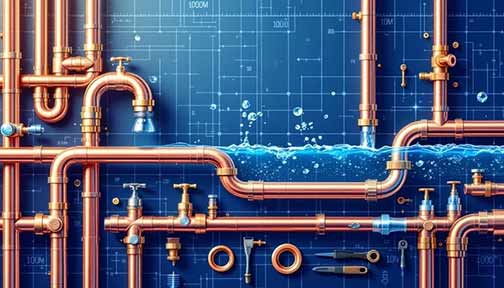
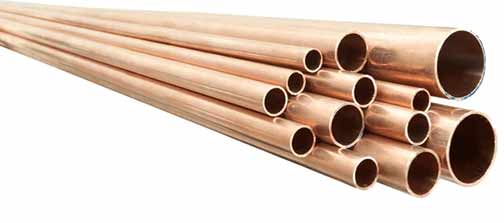
Why Copper Pipes Remain a Plumber’s Favorite: Benefits and Challenges

copper pipes

Copper pipes have been an indispensable component of the plumbing industry for several decades, and their popularity shows no signs of waning. Here we get into the reasons why copper pipes remain a favorite among plumbers, highlighting their numerous benefits and addressing the challenges they present in modern plumbing systems. Understanding the historical context of copper’s use in plumbing can provide valuable insights into its enduring appeal.

Durability: The Longevity of Copper Pipes in Plumbing Applications

One of the primary reasons copper pipes are favored in plumbing is their exceptional durability. Copper is a robust material that can withstand significant pressure and temperature variations, making it ideal for both residential and commercial plumbing systems. Unlike some other materials, copper does not degrade or weaken over time, ensuring a long-lasting plumbing solution. This durability translates into fewer repairs and replacements, ultimately saving homeowners and businesses money in the long run. The longevity of copper pipes is a testament to their resilience, as they can last for decades without losing their structural integrity.

Reliability: Ensuring Consistent Performance in Plumbing Systems with Copper

Reliability is another key factor that makes copper pipes a preferred choice for plumbers. Copper’s natural properties make it resistant to corrosion and rust, which are common issues with other piping materials. This resistance ensures that copper pipes maintain their integrity and performance over time, providing a consistent and reliable flow of water. Additionally, copper’s bacteriostatic properties inhibit the growth of bacteria within the pipes, contributing to a healthier plumbing system. This reliability is crucial in ensuring that plumbing systems function efficiently and effectively, minimizing the risk of water contamination and system failures.

Versatility: Copper’s Adaptability to Various Plumbing Applications

Copper pipes are incredibly versatile, making them suitable for a wide range of plumbing applications. Whether it’s for hot or cold water supply, heating systems, or gas lines, copper pipes can handle it all. Their flexibility allows for easy installation in tight spaces and complex plumbing layouts. Furthermore, copper pipes can be joined using various methods, including soldering, brazing, and compression fittings, providing plumbers with multiple options for creating secure and leak-free connections. This versatility makes copper an ideal choice for both new installations and retrofitting existing systems, as it can seamlessly integrate with various plumbing configurations.

Environmental Benefits: Copper as a Sustainable Choice for Plumbing

In today’s environmentally conscious world, the sustainability of materials is a significant consideration. Copper is a recyclable material, making it an eco-friendly choice for plumbing systems. When copper pipes reach the end of their lifespan, they can be recycled and repurposed, reducing waste and conserving natural resources. This sustainability aspect aligns with the growing trend towards greener building practices and makes copper an attractive option for environmentally conscious consumers and builders. By choosing copper, consumers can contribute to a more sustainable future while enjoying the benefits of a durable and reliable plumbing system.

copper pipes for plumbing
The timeless look of copper complements a variety of architectural styles, from traditional to contemporary, enhancing the overall visual appeal of a space.

Aesthetic Appeal: The Timeless Look of Copper in Plumbing Design

Beyond their functional benefits, copper pipes also offer aesthetic appeal. The warm, metallic hue of copper adds a touch of elegance and sophistication to any plumbing system. This aesthetic quality is particularly appreciated in visible plumbing installations, such as in kitchens or bathrooms, where the pipes can be left exposed as a design feature. The timeless look of copper complements a variety of architectural styles, from traditional to contemporary, enhancing the overall visual appeal of a space. This aesthetic versatility allows copper to be used in both functional and decorative capacities, adding value to any property.

Challenges: The Drawbacks of Using Copper Pipes in Modern Plumbing

While copper pipes offer numerous advantages, they are not without their challenges. One of the primary drawbacks is the cost. Copper is a premium material, and its price can fluctuate significantly based on market conditions. This cost can be a barrier for some projects, particularly those with tight budgets. Additionally, the process of repiping a home with copper pipes requires a certain level of skill and expertise, as improper installation can lead to leaks and other issues. Plumbers must be well-trained in working with copper to ensure a successful installation. This need for specialized skills can increase labor costs and limit the availability of qualified professionals.

Compatibility Issues: Copper and Modern Plumbing Systems

In some cases, copper pipes may not be compatible with certain modern plumbing systems. For example, copper can react with certain types of water, leading to corrosion and pinhole leaks. This issue is more prevalent in areas with highly acidic or alkaline water. To mitigate this risk, plumbers may need to use protective coatings or install dielectric unions to prevent direct contact between copper and other metals. These additional measures can add to the overall cost and complexity of a plumbing project. Understanding these compatibility issues is crucial for ensuring the long-term performance and reliability of plumbing systems that incorporate copper pipes.

Future Prospects: The Role of Copper Pipes in Emerging Plumbing Technologies

As plumbing technology continues to advance, the role of copper pipes in emerging systems remains a topic of interest. Innovations in plumbing materials and techniques may influence the future use of copper, but its inherent qualities suggest that it will continue to play a significant role. The adaptability of copper makes it compatible with new technologies, such as smart plumbing systems, which require durable and reliable materials. Additionally, the increasing emphasis on sustainability and energy efficiency may further enhance copper’s appeal, as it aligns with these broader industry trends. The future of copper pipes in plumbing is likely to be shaped by a combination of traditional practices and modern innovations, ensuring their relevance in an ever-evolving industry.

Conclusion: The Enduring Choice of Copper Pipes in Plumbing

Despite the challenges, copper pipes remain a favorite among plumbers for their durability, reliability, and versatility. Their long-lasting performance and aesthetic appeal make them a valuable addition to any plumbing system. As the industry continues to evolve, copper pipes are likely to maintain their status as a trusted and reliable choice for top plumbing professionals and homeowners alike. By understanding both the benefits and challenges of copper pipes, consumers can make informed decisions about their plumbing needs, ensuring a system that is both functional and sustainable. Copper’s enduring popularity is a testament to its effectiveness as a plumbing material, and its continued use will likely shape the future of the industry.