Tag Archives: importance of sump pump maintenance

Essential Maintenance Steps to Keep Your Sump Pump Running Smoothly

Essential Maintenance Steps to Keep Your Sump Pump Running Smoothly

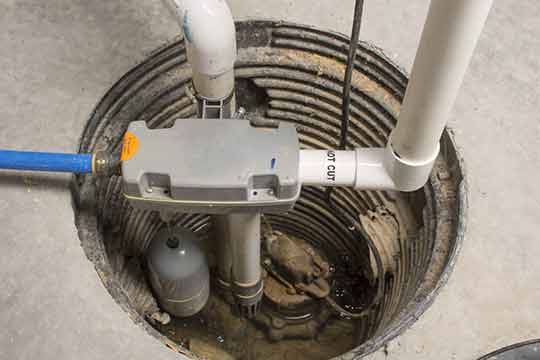
A sump pump is a vital piece of equipment that helps to protect your basement or crawl space from water damage caused by flooding or excessive moisture. It is designed to pump out water that collects in a sump pit, preventing it from causing damage to your home’s foundation or resulting in mold growth.

Regular maintenance of your sump pump is crucial to ensure it functions efficiently and reliably whenever it is needed. By following a few essential maintenance steps, you can keep your sump pump running smoothly and avoid costly repairs or water damage.

1. Test Your Sump Pump Regularly

One of the most important maintenance steps for your sump pump is to test it regularly. This ensures that it is in proper working condition and ready to handle any water accumulation. To test your sump pump, follow these steps:

  • Locate the sump pit and remove any debris or obstructions.
  • Pour water into the pit until the float switch activates the pump.
  • Observe the pump as it removes the water from the pit.
  • Ensure that water is being discharged properly from the outlet pipe.

If your pump fails the test, it may indicate a need for repair or a full replacement of your sump pump.

2. Clean and Maintain the Sump Pit

The sump pit is where water collects before being pumped out by the sump pump. Ensuring that the sump pit is clean and free from debris is essential to maintain the proper functioning of your sump pump. Follow these steps to clean and maintain the sump pump and the pit it lies in:

  • Regularly inspect the sump pit for any dirt, rocks, or debris.
  • Remove any accumulated debris using a small shovel or scoop.
  • Ensure that the sump pump’s intake screen is free from blockages.
  • Clean the pit walls and remove any slime or mold growth.

By keeping the sump pit clean, you allow the sump pump to work efficiently without any obstructions.

3. Check the Sump Pump Discharge Pipe

The discharge pipe is responsible for carrying the water pumped out by the sump pump away from your home’s foundation. It is essential to regularly inspect and maintain the discharge pipe to prevent any clogs or blockages. Follow these steps to check the sump pump discharge pipe:

  • Inspect the discharge pipe for any visible signs of damage.
  • Ensure that the discharge pipe is securely connected to the sump pump.
  • Verify that the pipe is free from any obstructions or clogs.
  • Consider adding a check valve to prevent water from flowing back into the pit.

Regular maintenance of the discharge pipe ensures that water is properly directed away from your home, preventing potential flooding or damage.
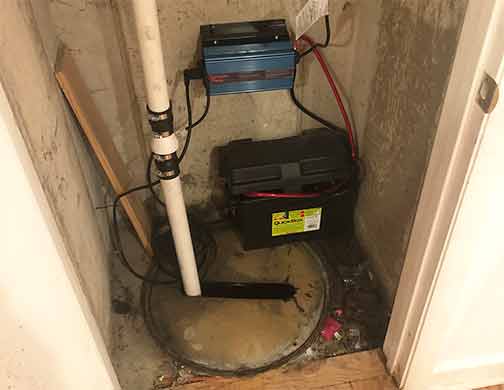
a newly installed sump pump battery backup.

Installing a backup battery power system for your sump pump is highly recommended to provide continuous protection.

4. Test the Backup Power System

In the event of a power outage, your sump pump may no longer be able to function, leaving your basement vulnerable to flooding. Having a sump pump backup battery installed is highly recommended to provide continuous protection. Test the backup power system by following these steps:

  • Locate the backup power system and make sure it is properly connected.
  • Simulate a power outage by disconnecting the main power supply.
  • Observe as the backup power system kicks in and powers the sump pump.
  • Ensure that the backup power system can sustain the pump for an extended period.

If the backup power system fails the test, contact a professional plumber to address any issues promptly.

5. Schedule Professional Maintenance

While basic maintenance can be performed by homeowners, it is also important to schedule regular professional maintenance for your sump pump. A professional can conduct a comprehensive inspection, ensure all components are functioning correctly, and identify any underlying issues. Professional maintenance includes:

  • Cleaning and lubricating the sump pump’s mechanical parts.
  • Inspecting the electrical connections and testing the pump’s motor.
  • Checking the float switch for proper operation.
  • Verifying that the backup power system is in good working condition.
  • Addressing any repairs or replacements as necessary.

Professional maintenance helps to extend the lifespan of your sump pump and ensures it is always prepared to handle any water accumulation.

In Conclusion

Maintaining your sump pump is crucial to protect your home from potential water damage. By regularly testing, cleaning, and maintaining your sump pump, you can ensure it is running smoothly and efficiently. Checking the sump pit, discharge pipe, and backup power system, along with scheduling professional maintenance, will provide you with the peace of mind that your sump pump is always ready to protect your basement or crawl space.

Investing time and effort into the essential maintenance steps outlined in this article will save you from the hassle and expense of dealing with a malfunctioning or ineffective sump pump in the future. Keep your sump pump in optimal condition, and it will continue to serve as a reliable defense against water damage for years to come.
Preventing Sump Pump Malfunctions: A Guide for Homeowners

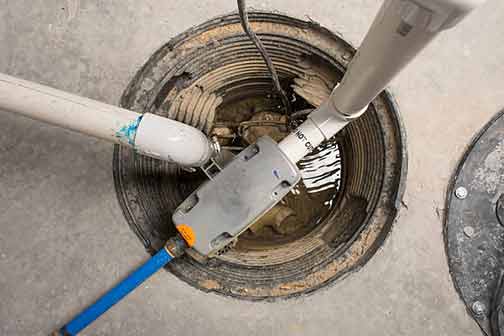
a sump pump is a great form of a residential flood control system.

Sump pump malfunctions rank among the top ten causes of the worst flooding in homes. Any flooding in your home will cause severe emotional pain and financial loss. But the pain is worse when that flooding is from a sump pump failure. That is because the entire purpose of having a sump pump in your home is to prevent flooding.

Sump pumps are designed to keep protecting your home after other flood defenses have failed. Most of a home’s flood defenses are located outside; to keep water from entering the house. But the sump pump is located inside the building. If floodwaters elude the other flood defenses and enter the home, the sump pump removes the water.

But sometimes, this does not happen because the sump pump fails. Real Property Group Company says most sump pump failures will go undetected by the homeowner. Homeowners only become aware of the issues with the sump pump after their home has been flooded. What is the point of installing a sump pump in your home if you cannot sleep knowing that your home is protected from floods?

The good news is there are ways to prevent sump pump failure. You can prevent basement flood damage by early detection of problems in your sump pump. This post explains the simple steps to ensure your sump pump is always functional. These suggestions work best if you have a schedule for doing all the checks at predetermined times during the year.

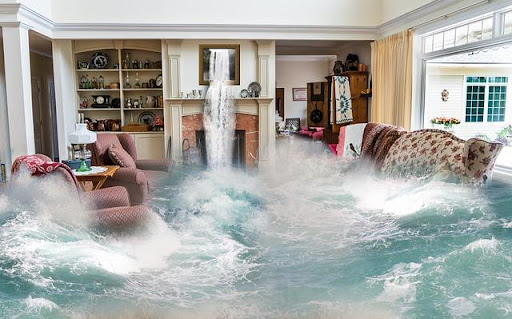
a flooded home.

Sump pumps are designed to keep protecting your home after other flood defenses have failed.

Common sump pump problems and how to solve them

Power failure

Electrical problems cause more sump pump failures than mechanical issues. These electrical problems can be due to power outages during stormy weather. They can also be due to negligence, such as when someone unplugs the sump pump or accidentally shuts off the circuit breaker. Problems in a home’s electrical wiring may also cause sump pump failure. Routine checks to ensure the sump pump is plugged in and getting power will help you avoid this problem.

Float switch problems

A malfunctioning float switch is the second most common cause of sump pump failure. Float switch problems happen because the pump has shifted inside the pit, the float is stuck, or debris is interfering with it. To test the float switch, fill the pit with water and watch to see if the float switch will trigger the pump and switch it off at the right time. To avoid float issues, ensure the pit is clean and the pump is positioned properly.

Clogged or frozen discharge lines

If the discharge line is frozen or clogged, water will not flow to the designated discharge point. Instead, it will flow backwards, down the line and into the basement. That will make the sump pump overwork, which can burn the motor. Installing a grated covering on the end of the discharge line will keep debris out. To prevent freezing, use sturdy PVC pipes, make sure the discharge line has a good slope and install a pop-up drain in your yard.

Check valve failure

The check valve is a one-way valve that prevents discharged water from back-flowing into the sump pump. It is often located in the vertical portion of the discharge line, close to where it connects to the sump pump. A damaged check valve will keep your sump pump cycling on and off continuously. The check valve will make a noise or vibrate if it is broken. A damaged check valve should be replaced.

Undersized sump pit or sump pump

Your home will be vulnerable to flooding if the sump pit is inadequate for the amount of water that enters the basement or if the sump pump is too small. Make sure your sump pit and sump pump match the requirements of your home. If the sump pump is too small for your home, it will overwork. That will lead to your sump pump motor burning out. It will also make it prone to a lot of other issues.

a person checking their water alarm app for sump pump failure.

If the sump pump fails, a water alarm will emit a loud sound to alert you. An internet-enabled water alarm is better because it can alert you via email, SMS, or app notifications.

Failsafe methods to protect your home from flooding

Water alarms

If the sump pump fails, a water alarm will emit a loud sound to alert you. An internet-enabled water alarm is better because it can alert you via email, SMS, or app notifications.

Redundant sump pump

A redundant sump system uses two sump pumps in the same sump pit. If one of the sump pumps fails, you can rely on the other one to keep your home safe.

Battery-powered sump pump

A battery-powered sump pump will work even when there is a power outage. Since power outages typically coincide with heavy rainfall, a battery backup installation of your sump pump is highly recommended.

To conclude, one of the best ways to ensure that your sump pump performs as expected is to have an expert install the system. The risk of sump pump failure can be halved by proper installation. It is also a good practice to have a plumber do a thorough inspection of your sump pump system periodically.