Tag Archives: importance of sewer line maintenance in chicago

Preparing for the Seasons: Essential Sewer Tips for Every Chicago Resident

Essential Sewer Tips for Every Chicago Resident

Understanding Chicago’s Unique Climate and Its Impact on Sewer Systems

Chicago’s climate is characterized by its distinct seasonal changes, each bringing unique challenges to sewer systems. The city experiences harsh winters, wet springs, hot summers, and unpredictable autumns. Understanding how these seasonal variations affect sewer systems is crucial for effective maintenance and prevention of issues. The cold temperatures of winter can lead to freezing pipes, while spring’s heavy rains may cause flooding and overflows. Summer heat can exacerbate odors and bacterial growth, and autumn leaves can clog drains. Recognizing these challenges is the first step toward ensuring your sewer system remains resilient throughout the year.

Winter Preparations: Preventing Pipe Freezing and Burst

Winter in Chicago can be unforgiving, with temperatures often dropping below freezing. This poses a significant risk to sewer pipes, which can freeze and burst if not properly insulated. To prevent this, residents should ensure that all exposed pipes are adequately insulated. Regularly checking for leaks and sealing any gaps can also prevent cold air from seeping in. Additionally, maintaining a steady flow of water through the pipes can help prevent freezing. It’s advisable to run water at a trickle during extreme cold spells to keep the pipes warm. Investing in heat tape or pipe heating cables can provide additional protection against freezing.

Spring Strategies: Managing Heavy Rainfall and Preventing Flooding

Spring brings heavy rainfall to Chicago, which can overwhelm sewer systems and lead to flooding. To manage this, residents should ensure their gutters and downspouts are clear of debris, allowing rainwater to flow freely into the sewer system. Installing a sump pump can help manage excess water and prevent basement flooding. Regularly inspecting your sewer lines for blockages and cleaning them can prevent backups. Consider installing backflow valves to prevent sewer water from flowing back into your home during heavy rains. Landscaping can also play a role in flood prevention; strategically planting trees and shrubs can help absorb excess water.

Summer Maintenance: Addressing Odors and Bacterial Growth

The heat of summer can lead to unpleasant odors emanating from sewer systems, as well as increased bacterial growth. To combat this, residents should ensure their sewer vents are unobstructed, allowing gases to escape. Regularly flushing drains with a mixture of baking soda and vinegar can help neutralize odors and reduce bacterial buildup. Ensuring proper ventilation in areas where sewer lines are located can also help mitigate odors. Additionally, keeping the area around sewer openings clean and free from debris can prevent the accumulation of organic matter that contributes to odors.

Autumn Actions: Preventing Drain Clogs from Falling Leaves

Autumn is a picturesque season in Chicago, but falling leaves can pose a significant threat to sewer systems. Leaves can accumulate in gutters and downspouts, leading to clogs and backups. Residents should regularly clear gutters and downspouts during the fall months to ensure proper drainage. Installing gutter guards can help prevent leaves from entering the system. It’s also important to rake leaves away from sewer grates and openings to prevent them from being washed into the system during rains. Regular inspections and maintenance of sewer lines can help identify and address potential clogs before they become problematic.

a person cleaning their gutters in the fall season
Residents should regularly clear gutters and downspouts during the fall months to ensure proper drainage.

Year-Round Sewer Maintenance: Ensuring System Resilience

While seasonal preparations are essential, maintaining your sewer system year-round is crucial for its resilience. Regular inspections by a professional can help identify potential issues before they become major problems. Investing in a sewer camera inspection can provide a comprehensive view of the system’s condition. Routine cleaning and maintenance can prevent the buildup of debris and ensure smooth operation. Residents should also be mindful of what they flush down their drains; avoiding flushing non-biodegradable items can prevent clogs and backups. Keeping an eye on your water bill for sudden increases can also indicate potential leaks or issues within the system.

Professional Advice: Tailored Solutions for Chicago Residents

Given Chicago’s unique climate, professional advice tailored to the city’s specific challenges is invaluable. Speaking with a local sewer service provider can provide insights into the best practices for managing your system. Professionals can offer recommendations on the latest technologies and solutions for sewer maintenance, such as trenchless pipe repair and advanced filtration systems. They can also provide guidance on emergency preparedness, ensuring residents are equipped to handle sudden sewer issues. Building a relationship with a trusted local professional can offer peace of mind and ensure your sewer system remains in optimal condition.

Community Involvement: Collaborative Efforts for Sewer System Health

Maintaining a healthy sewer system is not just an individual responsibility; it requires community involvement. Residents can collaborate with local authorities and neighborhood associations to address common sewer challenges. Participating in community clean-up events can help keep public sewer grates and drains clear of debris. Engaging in educational programs can raise awareness about best practices for sewer maintenance. By working together, communities can develop strategies to improve sewer system resilience and prevent issues caused by seasonal changes. Collective efforts can lead to more effective solutions and a healthier environment for all residents.

Conclusion: Navigating Sewer Maintenance with Confidence

Preparing for the seasons and maintaining a resilient sewer system is a critical task for every Chicago resident. By understanding the unique challenges posed by the city’s climate and taking proactive measures, residents can ensure their systems remain functional and efficient year-round. From winter insulation to spring flood prevention, summer odor management, and autumn clog prevention, each season requires specific strategies. With professional advice and community involvement, Chicago residents can boldly navigate sewer maintenance, ensuring their systems are inclusive and resilient through changing seasons. Embracing these practices will lead to a healthier, safer living environment for everyone.
Understanding the Impact of Clogged Sewer Lines on Chicago Households

Impact of Clogged Sewer Lines on Chicago Households

Clogged sewer lines can have a significant and detrimental impact on households in Chicago. These blockages can lead to a range of problems, from minor inconveniences to major health hazards. Understanding the effects of sewer line blockages and learning strategies for minimizing these impacts through proactive care is essential for homeowners in the area.

The Causes of Sewer Line Blockages in Chicago

Sewer line blockages can occur for a variety of reasons. Common causes include the buildup of grease, oil, and other debris in the pipes, tree roots infiltrating the sewer lines, and the accumulation of non-flushable items such as wipes and feminine hygiene products. In Chicago, the city’s aging infrastructure can also contribute to the frequency of sewer line blockages.

Immediate Effects of Clogged Sewer Lines on Households

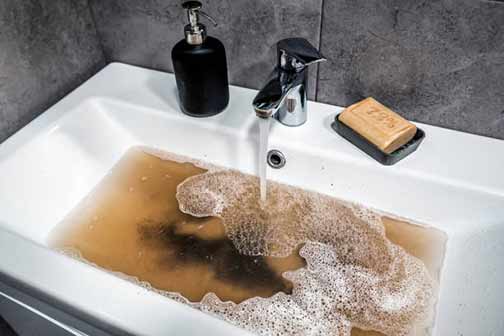
When a sewer line becomes clogged, the immediate effects can be quite noticeable. Homeowners may experience slow-draining sinks, tubs, and toilets, as well as unpleasant odors emanating from the drains. In more severe cases, sewage backups can occur, leading to water damage and potential health hazards due to exposure to raw sewage.

Long-Term Consequences of Sewer Line Blockages

If left unaddressed, clogged sewer lines can lead to more serious long-term issues. Persistent blockages can cause damage to the sewer pipes themselves, potentially resulting in costly repairs or even the need for complete pipe replacement. Additionally, ongoing exposure to sewage backups can create an unhealthy living environment and increase the risk of mold growth and other health concerns.

Health Risks Associated with Sewer Backups

Sewer backups pose a significant health risk to Chicago households. Raw sewage contains harmful bacteria, viruses, and parasites that can cause a range of illnesses, from gastrointestinal infections to respiratory problems. Homeowners and their families should take immediate action to address sewer backups to minimize their exposure to these health hazards.

a person pouring grease down their drain

Avoiding the disposal of grease, oil, and non-flushable items down the drains.

Strategies for Preventing Sewer Line Blockages

Preventing sewer line blockages requires proactive care and maintenance. Homeowners can take several steps to reduce the risk of clogs, including:

  • Avoiding the disposal of grease, oil, and non-flushable items down the drains.
  • Regularly cleaning and maintaining drains and sewer lines.
  • Installing backflow prevention devices to protect against sewage backups.
  • Scheduling regular inspections and maintenance with a professional plumber.

The Role of Professional Plumbers in Sewer Line Maintenance

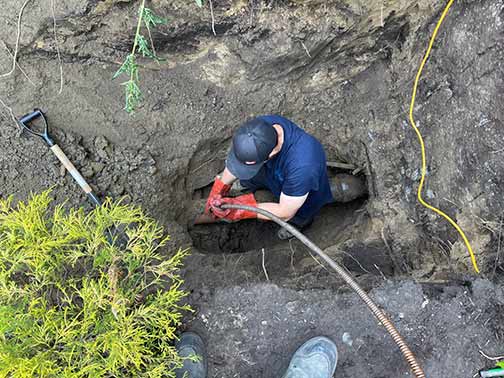
Professional plumbers play a crucial role in maintaining the health of a household’s sewer lines. They have the expertise and tools necessary to identify and address potential blockages before they become major issues. Regular inspections and maintenance by a professional plumber can help ensure that sewer lines remain clear and functioning properly.

Emergency Response to Sewer Line Blockages

In the event of a sewer line blockage, homeowners should know how to respond quickly and effectively. Immediate steps to take include turning off the water supply to prevent further backups, avoiding the use of plumbing fixtures, and contacting a professional plumber for emergency assistance. Quick action can help minimize the damage and health risks associated with sewer backups.

Insurance Coverage for Sewer Line Damage

Homeowners should be aware of their insurance coverage for sewer line damage. Standard homeowner’s insurance policies may not cover damage resulting from sewer backups, so it is important to review the policy and consider additional coverage options if necessary. Understanding the extent of insurance coverage can help homeowners be better prepared for potential sewer line issues.

Community Efforts to Address Sewer Line Issues in Chicago

Addressing sewer line issues requires a collaborative effort between homeowners, local government, and community organizations. In Chicago, initiatives to upgrade the city’s aging infrastructure, educate residents about proper waste disposal, and provide resources for sewer line maintenance can help reduce the incidence of blockages and improve the overall health of the community.

The Impact of Aging Infrastructure on Sewer Lines

Chicago’s aging infrastructure plays a significant role in the frequency and severity of sewer line blockages. Many of the city’s sewer systems were installed decades ago and are now reaching the end of their useful life. As pipes age, they become more susceptible to cracks, breaks, and blockages. Upgrading these systems is a costly and time-consuming process, but it is essential for reducing the incidence of sewer line issues and ensuring the long-term health of the city’s plumbing infrastructure.

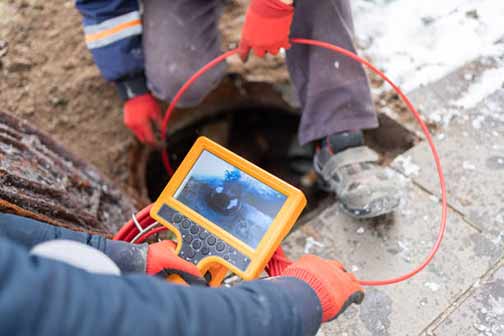
a professional sewer camera inspection

Professional plumbers can use advanced diagnostic tools to assess the condition of sewer lines and recommend necessary repairs or maintenance.

Environmental Consequences of Sewer Line Blockages

Sewer line blockages can have far-reaching environmental consequences. When sewage backs up into homes and streets, it can contaminate local water sources and harm wildlife. Additionally, untreated sewage can contribute to the pollution of rivers and lakes, leading to broader ecological damage. By addressing sewer line blockages promptly and effectively, homeowners and communities can help protect the environment and preserve natural resources for future generations.

Technological Advances in Sewer Line Maintenance

Recent technological advances have made it easier and more efficient to maintain and repair sewer lines. Innovations such as trenchless technology, which allows for the repair or replacement of pipes without extensive digging, can minimize disruption to homes and streets. Additionally, advanced diagnostic tools like video inspection cameras enable plumbers to accurately identify the location and cause of blockages, leading to more targeted and effective repairs. Embracing these technologies can help reduce the impact of sewer line blockages and improve the overall efficiency of sewer line maintenance.

Educating Homeowners on Proper Waste Disposal

One of the most effective ways to prevent sewer line blockages is through education. Homeowners need to be aware of what should and should not be disposed of down the drains. Items such as grease, oil, wipes, and feminine hygiene products should never be flushed or washed down the sink, as they can easily cause blockages. Public awareness campaigns and community workshops can help educate residents on proper waste disposal practices and reduce the likelihood of sewer line issues.

The Importance of Regular Sewer Line Inspections

Regular inspections are a key component of proactive sewer line maintenance. By scheduling routine sewer camera inspections, homeowners can identify potential issues before they become major problems. Professional plumbers can use advanced diagnostic tools to assess the condition of sewer lines and recommend necessary repairs or maintenance. Regular inspections can help extend the life of sewer pipes, reduce the risk of blockages, and prevent costly repairs in the future.

Financial Assistance for Sewer Line Repairs

Sewer line repairs can be expensive, and not all homeowners have the financial resources to cover these costs. Fortunately, there are programs and grants available to help offset the expense of sewer line maintenance and repairs. Local government agencies and community organizations may offer financial assistance to eligible homeowners. Additionally, some insurance policies may provide coverage for sewer line damage. Homeowners should explore these options to ensure they have the necessary support to address sewer line issues promptly.

To Conclude

Clogged sewer lines can have a significant impact on Chicago households, leading to immediate inconveniences. The first step in addressing a clogged sewer line is to identify the cause. This can often be done by inspecting the affected area and looking for any obvious signs of blockage, such as standing water or slow-draining fixtures. If the cause is not immediately apparent, a professional plumber can use specialized tools, such as video inspection cameras, to locate and diagnose the problem.

Proactive Measures to Protect Your Sewer Line in Chicago

Proactive Measures to Protect Your Sewer Line in Chicago

If you are a homeowner, business owner, or property manager, it is important to take steps to safeguard your sewer line from potential damage. Below we will discuss some practical and effective strategies that can help prevent costly sewer line issues, such as backups and blockages. By implementing these proactive measures, you can ensure the longevity and functionality of your sewer system.

Understanding the Importance of Sewer Line Maintenance

Before delving into specific proactive measures, let’s first understand why sewer line maintenance is crucial. Your sewer line plays a vital role in transporting wastewater from your property to the main sewer system. If it becomes damaged or clogged, it can lead to a host of problems, including foul odors, sewage backups, and potential health hazards.

Moreover, sewer line repairs can be extremely expensive and disruptive. By taking preventive action, you can avoid the inconvenience and financial burden associated with sewer line issues. Additionally, maintaining a well functioning sewer system contributes to the overall health and cleanliness of your community.

Inspection and Regular Maintenance

One of the most proactive measures you can take to protect your sewer line is to schedule regular inspections and maintenance. By identifying potential issues early on, you can address them before they escalate into major problems. Consider contacting a professional plumber in Chicago that specializes in sewer line camera inspection and maintenance.

During an inspection, an experienced plumber will use advanced techniques, such as sewer video camera inspections, to evaluate the condition of your sewer line. They will be able to identify any cracks, leaks, tree root intrusions, or blockages that may be compromising the integrity of your sewer system. Based on the findings, the plumber can recommend appropriate maintenance and repairs.

Be Mindful of What You Flush

Being mindful of what you flush down your drains can significantly reduce the risk of sewer line blockages and backups. It is essential to understand that toilets and drains are not designed to handle certain substances and objects. Here are some items that should never be flushed:

  • Diapers
  • Cotton balls and swabs
  • Grease, oil, and fat
  • Sanitary products
  • Cigarette butts
  • Medication

These items can accumulate in your sewer line, leading to blockages and potential damage. Proper disposal is key to avoiding these issues.

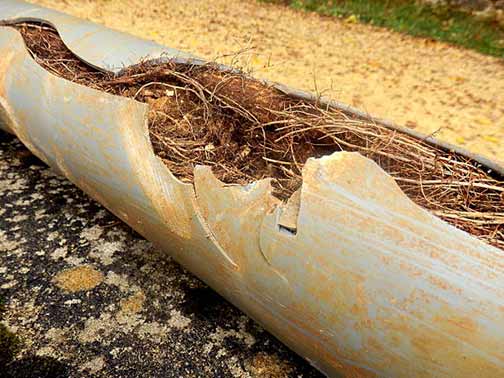
tree roots that have grown into a sewer line in chicago.

As trees grow, their roots can extend underground and infiltrate your sewer line, causing blockages and structural damage.

Tree Root Management

In Chicago, tree roots pose a significant threat to sewer lines. As trees grow, their roots can extend underground and infiltrate your sewer line, causing blockages and structural damage. To proactively manage tree roots, consider the following measures:

  • Plant trees a safe distance away from your sewer line.
  • Regularly inspect your sewer line for signs of root intrusion.
  • Use root barriers to prevent roots from reaching your sewer line.
  • Consider removing trees that are in close proximity to your sewer line.

By implementing these proactive tree root management strategies, you can minimize the risk of sewer line damage.

Proper Grease Disposal

Improper disposal of grease, oil, and fat can wreak havoc on your sewer line. When these substances are poured down the drain, they can solidify and create blockages over time. To prevent grease-related sewer line issues, adhere to the following guidelines:

  • Allow grease to cool and solidify before disposing of it in the trash.
  • Use a paper towel to wipe excess grease from cookware before washing.
  • Collect used cooking oil in a container and dispose of it at a designated recycling facility.
  • Avoid using garbage disposals for disposing of large amounts of grease.

By following these simple practices, you can protect your sewer line from grease-related problems.

Invest in Sewer Line Backup Prevention

Sewer line backups can occur due to various reasons, including heavy rainfall, aging infrastructure, and blockages. Investing in sewer line backup prevention systems can provide an extra layer of protection for your property. Consider the following options:

  • Backflow valves: Backflow valves are installed to prevent sewage from flowing back into your property during heavy rainfall or sewer system overload.
  • Sump pumps: Installed in the basement or crawl space, sump pumps help remove excess water and prevent flooding during sewer line backups.
  • Alarm systems: Sewer line alarm systems can alert you when there is a rise in sewage levels, allowing you to take immediate action.

Speak with a professional plumber in Chicago to determine the most suitable backup prevention system for your specific needs.

Protecting your sewer line through proactive measures is essential for every Chicago property owner. By scheduling regular inspections, being mindful of what you flush, managing tree roots, properly disposing of grease, and investing in backup prevention systems, you can significantly reduce the risk of sewer line issues.

Remember that prevention is always better than dealing with expensive repairs and inconvenient backups. Take control of your sewer line’s health, and contribute to a cleaner and healthier Chicago community.