Every year in Chicago, homeowners and businesses of all kinds are faced with a constant stream of drainage issues in their buildings. From minor clogs that are easily fixed to major drainage problems that result in huge financial losses, many rely on local rental support with Compass to help manage and address these challenges.
Where do these drainage problems come from? Apart from the common problems that all modern drainage systems are subject to, drainage systems in Chicago are exposed to diverse problems that place enormous pressure on their performance and longevity. These problems include:
- Chicago’s extreme climate
Chicago’s weather often alternates between two extremes: heavy rainfall and subzero winters characterized by heavy snow and chilly winds. During periods of intense rainfall, street and basement flooding become a common phenomenon, as rainwater strains city infrastructure, often with dire consequences for private drainage systems.
Winter also brings its own set of drainage problems to the city. Subzero temperatures cause the contents of drainage pipes (fats, grease, oil, soap scum, etc.) to congeal, leading to more drain clogs and sewer backups. Ground movements due to freeze-thaw cycles also increase the risk of drainage pipe misalignment.
- Chicago’s overburdened sewer system
Much of Chicago relies on a combined sewer system. This system serves the dual purpose of carrying both rainwater and sewage. Under conditions of intense rainfall, the system may become overwhelmed with runoff and fail. The consequence of that failure is an increase in the number of drainage problems in Chicago homes.
This problem is exacerbated by the city’s swampy foundations, which means that in most parts of Chicago, the water table is quite high. As a result, water does not absorb into the ground quickly, and in periods of heavy rainfall or snowmelt, flash floods and basement flooding can become a real issue.
- Misuse of homes’ drainage systems
The above problems are aggravated by the misuse of the home’s drainage systems. A home’s occupants may use the drainage like a waste bin. They might dispose of so-called flushable items like paper napkins & wipes, diapers, etc., in the toilet, with the result that these items clog the drainpipes and cause major drain emergencies in the home.
The other problem is the dumping of fats, oils, and grease (FOG) into drains. Once inside the pipes, these materials attract debris, accelerating the rate of buildup within the system. The same process occurs with starchy foods, fibrous vegetables, eggshells, coffee grounds, and other types of food waste that end up in the drainage system.
The intersection of these problems is why Chicago homes always seem to be plagued by an epidemic of drainage problems. But what can you do about it? Is there a way to protect your most valued asset -your home – from the risk of damaging drainage problems? Yes, there is.
Protecting your Chicago home from drainage failures
The following strategies will help you minimize the risk of drainage problems in your home.
- Watch what you flush
Begin by acting on what is within your control. Stop dumping fats, oils, or grease, and harmful food scraps into your drains. The only things that should enter your toilet are human waste, toilet paper, and water. To further stop debris from entering your drains, install strainers on sink and shower drains. Lastly, educate your household on the dangers of misusing the drains and place trash cans in strategic areas in your home.
- Inspect your drains yearly
To help you stay ahead of problems in your drainpipes, have a professional plumber conduct a sewer camera inspection every year. Sewer camera inspections are the most effective non-invasive method for assessing the physical condition and function of underground pipes. This yearly inspection will save you a lot of money by allowing you to detect problems before they become emergencies. Consider this step as an investment in your own peace of mind.
- Schedule professional drain cleaning
Professional drain cleaning methods like sewer rodding and hydro jetting help you remove accumulated debris inside your drainage lines. By cleaning your pipes every 1-2 years, you terminate the inevitable process of debris buildup within the drainage system. Scheduled drain cleaning using sewer rodding or hydrojetting will stop problems like sewer odors in your home, strange sounds from your drains, slow drains, tree root intrusion, and sewer backups.
- Install a backwater valve
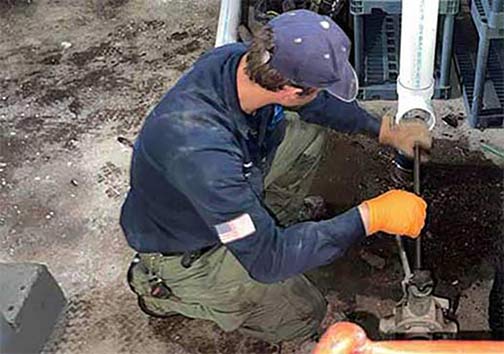
As long as your home’s drainage system is connected to the city’s sewer system, your home is not immune to issues happening in the municipal sewers. To ensure that problems in the city sewer lines don’t ripple backward to cause a sewer backup in your home, you should install a backwater valve on your main sewer line. This valve will automatically close if it senses a reversal in the direction of flow in the city sewer systems.
Lastly, you need an experienced plumber to conduct an audit of your home’s drainage system to identify existing and potential problems and help you find the best ways to solve them.