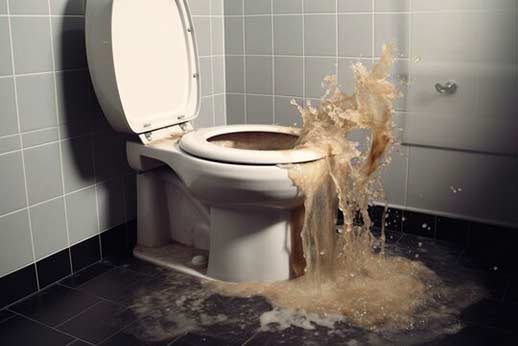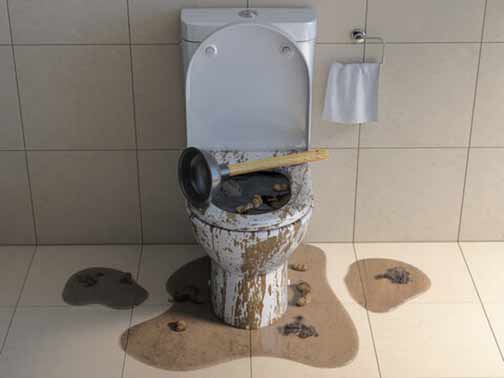
Sewer backups can be a homeowner’s worst nightmare. Understanding the root causes and potential consequences of sewer backups is the first step in prevention. Sewer backups occur when the normal flow of wastewater is obstructed, causing it to back up into your home. This can result from a variety of factors, including blockages, tree root intrusion, and damaged sewer lines.
The consequences of a sewer backup can be severe, ranging from unpleasant odors and minor inconveniences to extensive property damage and health hazards. Contaminated water can pose significant health risks, including exposure to harmful bacteria and viruses. Additionally, the cleanup process can be both time-consuming and costly. Therefore, it is crucial to take proactive measures to prevent sewer backups and protect your home.
Regular Maintenance: The Key to Preventing Sewer Backup
Regular maintenance is essential in preventing sewer backups. Expert plumbers recommend scheduling routine inspections and cleanings to ensure that your sewer system is functioning properly. During these inspections, plumbers can identify potential issues such as blockages, cracks, or tree root intrusion before they escalate into major problems.
One effective maintenance practice is to have your sewer lines professionally cleaned every 18 to 24 months. This helps remove any buildup of debris, grease, or other materials that could potentially cause blockages. Additionally, using enzyme-based cleaners on a regular basis can help break down organic matter and keep your pipes clear.
Proper Disposal of Waste: What Not to Flush
One of the most common causes of sewer backups is improper disposal of waste. Many homeowners are unaware that certain items should never be flushed down the toilet or poured down the drain. These items can cause blockages and lead to sewer backups.
Items that should never be flushed include:
- Paper towels and tissues
- Feminine hygiene products
- Baby wipes and wet wipes
- Dental floss
- Grease and cooking oil
- Medications
- Cat litter
- Diapers
By properly disposing of these items in the trash, you can significantly reduce the risk of sewer backups. Additionally, installing drain strainers in sinks and showers can help catch hair and other debris, preventing them from entering your pipes and causing blockages.
Tree Root Intrusion: Identifying and Addressing the Issue
Tree root intrusion is a common cause of sewer backups, particularly in older homes with clay or cast iron pipes. Tree roots naturally seek out sources of water and nutrients, making sewer lines an attractive target. Once they infiltrate the pipes, they can cause blockages and damage, leading to sewer backups.
To prevent tree root intrusion, it is important to be aware of the location of your sewer lines and avoid planting trees or shrubs with aggressive root systems nearby. If you suspect that tree roots have infiltrated your sewer lines, it is essential to address the issue promptly. Professional plumbers can use specialized equipment, such as video cameras and hydro jetting, to identify and remove tree roots from your pipes.
Installing a Backflow Valve: A Preventative Measure
Installing a backflow valve is an effective preventative measure to protect your home from sewer backups. A backflow valve is a device that is installed in the main sewer line and is designed to allow wastewater to flow out of your home while preventing it from flowing back in. In the event of a sewer backup, the valve closes automatically, preventing contaminated water from entering your home.
While the installation of a backflow valve requires the expertise of a professional plumber, it is a worthwhile investment for homeowners who want to safeguard their property. Regular maintenance and inspection of the backflow valve are also necessary to ensure its proper functioning.
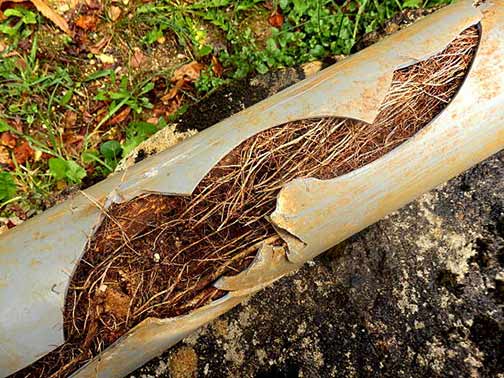
Tree root intrusion is a common cause of sewer backups, particularly in older homes with clay or cast iron pipes.
Addressing Sewer Line Damage: Repair and Replacement
Sewer line damage can result from a variety of factors, including age, corrosion, ground shifting, and heavy traffic above the sewer lines. Damaged sewer lines can lead to leaks, blockages, and ultimately, sewer backups. It is important to address sewer line damage promptly to prevent further issues.
Professional plumbers can assess the condition of your sewer lines using advanced diagnostic tools such as video cameras. Depending on the extent of the damage, they may recommend repair or replacement. .
Flooding Prevention: Protecting Your Home from External Factors
External factors such as heavy rainfall, flooding, and storm surges can overwhelm municipal sewer systems and lead to sewer backups. To protect your home from these external factors, it is important to implement flood prevention measures.
Installing a sump pump in your basement can help remove excess water and prevent flooding. Additionally, ensuring that your home’s gutters and downspouts are clear and functioning properly can help direct rainwater away from your foundation. Landscaping strategies, such as grading your yard to slope away from your home, can also help prevent water from pooling around your foundation and entering your sewer system.
Emergency Preparedness: Steps to Take in Case of a Sewer Backup
Despite taking all the necessary precautions, sewer backups can still occur. Being prepared and knowing the steps to take in case of a sewer backup can help minimize damage and ensure a swift response.
If you experience a sewer backup, follow these steps:
- Immediately stop using all water fixtures, including sinks, toilets, and showers, to prevent further backup.
- Turn off the main water supply to your home.
- Contact a professional plumber to assess and address the issue.
- Document the damage with photos and contact your insurance company to report the incident.
- Ensure proper cleanup and disinfection to prevent health hazards.
Having an emergency kit with essential items such as gloves, masks, cleaning supplies, and important contact information can also be helpful in case of a sewer backup.
Conclusion: Proactive Measures for a Safe and Healthy Home
Preventing sewer backups requires a combination of regular maintenance, proper waste disposal, and proactive measures to address potential issues. By understanding the causes and consequences of sewer backups and implementing the expert strategies outlined in this article, you can protect your home and ensure a safe and healthy living environment.
Remember, the key to preventing sewer backups is to stay vigilant and proactive. Regular inspections, professional cleanings, and addressing issues promptly can go a long way in safeguarding your home from the damaging effects of sewer backups. By following these expert insights and taking the necessary precautions, you can enjoy peace of mind and a well-functioning plumbing system.