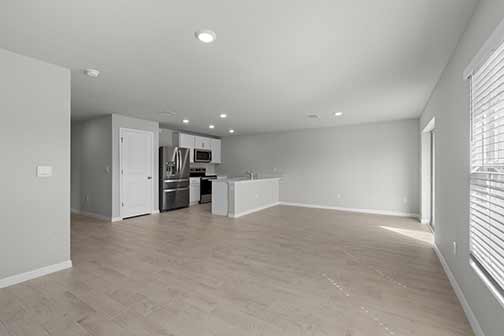
Creating an open-concept home is all about maximizing space, light, and flow. These layouts offer modern, airy aesthetics that promote togetherness and ease of movement. But with fewer walls and exposed architecture, hiding plumbing can become a challenge, especially when it breaks the visual harmony of your carefully curated space.
While open-concept homes have many design advantages, they do require some creative problem-solving when it comes to concealing essential systems like pipes, drains, and water lines. Fortunately, you don’t have to sacrifice beauty for function. In this guide, we’ll explore several design-friendly solutions to help you hide plumbing in a way that complements your home’s layout and decor.
Embrace the Power of Custom Cabinetry
One of the most effective ways to hide plumbing in an open space is through custom cabinetry. Whether you’re working with a kitchen island, bathroom vanity, or laundry nook, custom-built cabinets offer the flexibility to tuck away pipes without disrupting the visual flow of your space. They can be designed with cutouts or false backs that accommodate plumbing lines while still providing ample storage.
Using cabinetry also adds another layer of aesthetic appeal. You can match it to your home’s design—whether you lean minimalist, industrial, farmhouse, or eclectic. The cabinets become functional art pieces rather than utilitarian covers.
Use Decorative Columns and Boxed-In Structures
Decorative columns or beams are a stylish way to mask vertical or horizontal plumbing pipes. These faux architectural features can blend into your open floor plan, adding character and visual interest while doing a practical job. You can match the finish to your flooring or ceiling trim to make the design look intentional.
Boxed-in structures along walls or ceilings can also create a seamless look. If a water line needs to travel from one end of the house to another, boxing it in with drywall or wood paneling can turn it into a subtle design element rather than an eyesore.
Open-Concept Homes: Incorporate Built-In Shelving
Built-in shelving units are another clever trick for disguising plumbing. They can hide pipework along a wall while adding valuable storage or display space. For instance, shallow bookshelves can conceal horizontal water lines, and taller built-ins can hide vertical stacks.
In open-concept living spaces, these shelves serve dual purposes: hiding what you don’t want to see and showcasing what you do. Books, plants, photos, and decorative objects create a cozy, lived-in look that masks the plumbing behind them.
Choose Strategically Placed Furniture
In open layouts, freestanding furniture can work double-duty as plumbing camouflage. For example, a console table, bench, or tall plant stand placed in front of exposed pipes can effectively conceal them while enhancing your decor.
Make sure the furniture placement feels natural and purposeful. It should complement your traffic flow and not look like it’s trying too hard to hide something. Lightweight furniture also allows for easy access when maintenance is needed, which is important when plumbing is involved.

Install Soffits or Dropped Ceilings
Soffits are often used in kitchens to conceal venting or ductwork, but they’re just as useful for hiding plumbing lines in open-concept spaces. A dropped ceiling or soffit can be installed selectively over certain areas, such as where pipes run between floors or along ceilings.
These structures can be painted to match the ceiling or finished with decorative trim for a clean, seamless appearance. Adding recessed lighting to a soffit can also make it feel like a design feature rather than a functional cover-up.
Try Vertical Wall Paneling
Wall paneling is a timeless design choice that offers a great opportunity to hide plumbing discreetly. Vertical panels—such as shiplap, tongue and groove, or beadboard—can conceal pipes while enhancing the texture and character of a space.
This approach works especially well in bathrooms, laundry rooms, or kitchen walls, where you might already be considering paneling for aesthetic reasons. The panels can be designed to lift off or open up, allowing easy access to the pipes when necessary.
Add Room Dividers or Partial Walls
Room dividers and partial walls help define zones in open-concept homes while offering a natural place to hide plumbing lines. A half-wall between the kitchen and living room, for instance, could house pipes for a sink or island without requiring full-wall construction.
These dividers can also double as breakfast bars, shelving units, or art displays, making them multifunctional assets in your layout. By combining utility and creativity, you maintain openness while strategically concealing what you don’t want to see.
Use Artistic Elements as Disguises
Art is not just for decoration—it can also be cleverly used to hide unsightly plumbing. Large canvases, framed prints, or even fabric panels can be mounted over pipes running along a wall. In some cases, you can create hinged or sliding art pieces that provide easy access when maintenance is needed.
This tactic adds a personal and artistic touch to your space while solving a practical problem. It’s an ideal solution for those who love DIY or want to turn functional fixes into conversation starters.
Integrate Plumbing into Design Themes
Sometimes, the best way to hide plumbing is not to hide it at all but to integrate it into your overall design. That works particularly well with industrial, rustic, or minimalist styles, where exposed pipes can become part of the aesthetic.
For example, matte black or brushed copper pipes can serve as design features in a modern industrial kitchen. With the right finishes and placement, they add depth and texture rather than visual clutter. Just make sure they’re arranged in a tidy, deliberate way and match your overall color scheme.
Organize Around the Move-In Process
When you’re moving into a new home, structure matters. Build a checklist that covers everything from design preferences and plumbing access to where you’ll store materials or furniture during the process. Also, to avoid last-minute stress, make it a priority to stay on top of moving tasks like securing packing supplies early, decluttering before you box anything, and planning out your moving day in detail. Organizing each step ahead of time helps prevent delays, keeps the project running smoothly, and avoids situations like needing to open up a wall just to adjust a pipe.
Plan for Concealment Early in Renovation
One of the best strategies for hiding plumbing is to plan, ideally during construction or major renovation. Working with your contractor and interior designer to route plumbing through less conspicuous areas can save time, money, and visual headaches down the road.
That is also the time to think about how other aspects of your home will interact with plumbing. Will your kitchen island house have a sink? Is there a second-floor bathroom that needs drainage through a main-floor wall? Addressing these questions early allows you to integrate concealment solutions right from the start.

Concealing Plumbing Creatively
Hiding plumbing in open-concept homes doesn’t mean compromising on style. With a mix of smart planning and creative design choices, you can maintain a clean, modern look while ensuring all your systems work seamlessly behind the scenes.
From custom cabinetry and built-ins to artistic disguises and architectural features, the options are as varied as your imagination. Whether you’re building from scratch, renovating an older space, or just updating part of your home, taking a thoughtful approach to concealment pays off in both aesthetics and function.