Understanding Sewer Backups: Causes and Prevention
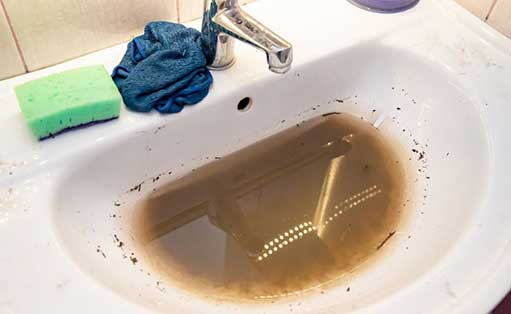
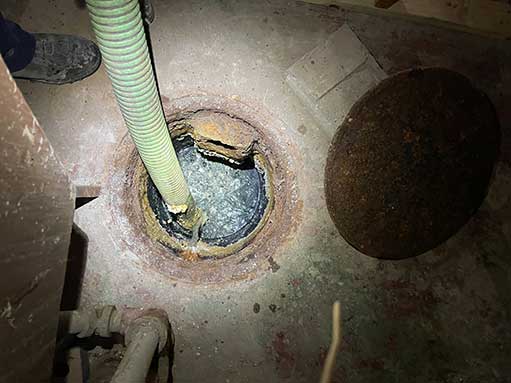
Sewer backups can be a nightmare for homeowners. They occur when an obstruction or damage in the sewer line prevents wastewater from flowing away from your home, causing it to back up into your living spaces. Common causes include tree roots infiltrating pipes, blockages from debris or grease, and aging or damaged sewer lines. Preventing these issues involves regular maintenance, avoiding flushing inappropriate items, and being vigilant about signs of potential problems.
Immediate Actions to Take When You Discover a Sewer Backup
Discovering a sewer backup in your home can be alarming, but taking immediate action can mitigate damage and health risks. First, avoid using any plumbing fixtures to prevent additional wastewater from entering your home. Turn off the main water supply if necessary. Next, evacuate the affected area to avoid exposure to harmful contaminants. If the backup is extensive, consider contacting a nearby plumber or restoration service for assistance.
Assessing the Extent of the Damage
Before we get into the cleanup process, it’s crucial to assess the extent of the damage. This involves determining which areas of your home are affected and the severity of the contamination. Look for signs such as standing water, dampness, and unpleasant odors. Check walls, floors, and personal belongings for any signs of water damage. This assessment will help you plan the cleanup process and decide whether you need professional help.
Gathering Essential Cleanup Supplies
Proper cleanup of a sewer backup requires specific supplies to ensure safety and effectiveness. Gather the following items before you begin:
- Protective gear: gloves, masks, and goggles
- Cleaning agents: disinfectants, bleach, and detergents
- Tools: mops, buckets, scrub brushes, and sponges
- Absorbent materials: towels, rags, and paper towels
- Trash bags: for disposing of contaminated items
Personal Safety Measures During Cleanup
Safety should be your top priority when cleaning up a sewer backup. Wear protective gear, including gloves, masks, and goggles, to avoid direct contact with contaminated water and surfaces. Ensure proper ventilation in the affected area by opening windows and using fans. Avoid consuming food or drinks in the cleanup zone, and wash your hands thoroughly after handling contaminated items.
Removing Standing Water and Debris
The first step in the physical cleanup process is to remove standing water and debris from the affected area. Use a wet/dry vacuum or a pump to extract water. Be cautious of electrical hazards if water has come into contact with electrical outlets or appliances. Once the water is removed, collect and dispose of any solid debris, such as dirt, paper, or other materials, that may have been carried in by the backup.
Cleaning and Disinfecting Affected Areas
Thorough cleaning and disinfection are essential to eliminate harmful pathogens and prevent mold growth. Start by scrubbing surfaces with soap and water to remove dirt and grime. Follow up with a disinfectant solution, such as a mixture of bleach and water, to kill bacteria and viruses. Pay special attention to floors, walls, and any porous materials that may have absorbed contaminated water. Rinse surfaces with clean water and allow them to dry completely.
Handling Contaminated Personal Belongings
Personal belongings that have come into contact with sewage water need special attention. Hard, non-porous items can often be cleaned and disinfected, while porous items like carpets, upholstery, and paper products may need to be discarded. When in doubt, it’s best to err on the side of caution and dispose of items that cannot be thoroughly sanitized.
Drying and Dehumidifying the Area
After cleaning, it’s crucial to dry the affected area to prevent mold and mildew growth. Use fans, dehumidifiers, and open windows to promote air circulation and speed up the drying process. Monitor the humidity levels and continue drying until the area is completely dry. This step is vital to ensure a safe and healthy environment in your home.
Restoring and Repairing Damaged Areas
Once the area is clean and dry, you can begin restoring and repairing any damage caused by the sewer backup. This may involve replacing drywall, flooring, or insulation that was contaminated or damaged. Consider consulting with a professional contractor to ensure the repairs are done correctly and safely. Taking the time to restore your home properly will help prevent future issues and maintain its value.
Preventing Future Sewer Backups
Preventing future sewer backups involves regular maintenance and mindful practices. Schedule routine inspections of your sewer lines to identify and address potential problems early. Avoid flushing items like grease, wipes, and feminine hygiene products that can cause blockages. Consider installing a backflow valve to prevent sewage from flowing back into your home. Educate your household members about proper disposal methods to keep your plumbing system in good condition.
When to Call a Professional
While some sewer backups can be handled by homeowners, there are situations where professional help is necessary. If the backup is extensive, involves multiple areas of your home, or if you are unsure about the cleanup process, it’s best to contact an emergency sewer backup service. They have the expertise and equipment to handle severe cases safely and effectively, ensuring your home is restored to a safe and livable condition.
Understanding Insurance Coverage for Sewer Backups
Homeowners should be aware of their insurance coverage regarding sewer backups. Standard homeowner’s insurance policies may not cover damage caused by sewer backups, so it’s important to review your policy and consider adding a sewer backup endorsement if necessary. This additional coverage can provide financial protection and peace of mind in the event of a sewer backup.
Documenting the Incident and Expenses
Proper documentation is essential for insurance claims and future reference. Take photos and videos of the affected areas and damaged items before, during, and after the cleanup process. Keep detailed records of all expenses related to the cleanup and repairs, including receipts for supplies, professional services, and any temporary accommodations if needed. This documentation will support your insurance claim and help ensure you receive the compensation you are entitled to.
Emotional and Mental Health Considerations
Experiencing a sewer backup can be stressful and emotionally taxing. It’s important to acknowledge the impact it may have on your mental health and take steps to manage stress. Reach out to friends, family, or support groups for emotional support. Consider speaking with a mental health professional if you find it difficult to cope. Taking care of your emotional well-being is just as important as addressing the physical aspects of the cleanup.
Summing It Up
Dealing with a sewer backup requires prompt action, thorough cleaning, and careful restoration to ensure your home remains safe and clean. By following this step-by-step guide, homeowners can effectively manage the cleanup process and minimize the impact of a sewer backup. Regular maintenance and preventive measures can help prevent future incidents, providing peace of mind and protecting your home from potential damage.