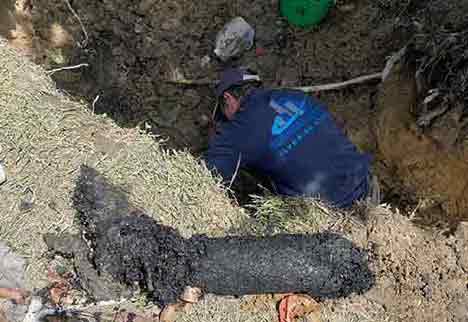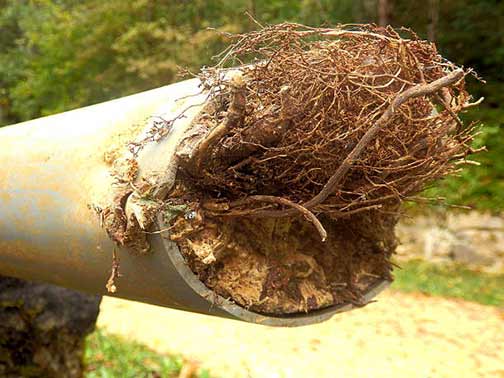
Tree roots are a significant issue for sewer lines, especially in densely populated urban areas like Chicago. Tree roots are drawn to the water and nutrients present in sewer lines, and hence they are a desirable location for invasion. This invasion can lead to severe clogs, overflows, and even structural collapse of the sewer system. It is essential to understand the processes involved in this problem in order to come up with effective solutions and maintain the integrity of sewer systems.
Tree roots are expert at entering even tiny crevices or joints in sewer pipes. Once inside, they are able to spread and create major damage, leading to costly repairs and potentially environmental catastrophes. The problem worsens in older sewer systems, which most likely have deteriorated over time and have more vulnerable places where roots can enter. By knowing the extent of this issue, residents and urban planners can take preventive measures to steer clear of the hazards brought about by tree root intrusions.
Busting Popular Myths on Tree Root Intrusions into Sewer Lines
There are some myths relating to the issue of root intrusions of trees in sewer lines, and they typically lead to ineffectual solutions. One such prevalent myth is that tree removal is the only way to effectively prevent root problems. Not only does this process ruin the environment, but it is also not required for most cases. Trees provide numerous benefits through air filtration, shade, and aesthetics, and removal of trees should be last considered.
Another widespread myth is that root intrusions can be repaired for good through chemical treatments. Though chemical treatments are helpful in the short term by poisoning roots within the pipes, they fail to address the real cause. If the root cause of the issue is not addressed, roots will re-grow and re-penetrate the sewer lines in the near future. All these myths must be understood well in order to implement long-term and effective solutions.
Sophisticated Techniques for Tree Root Infiltration Identification in Sewer Pipes
It is paramount to identify tree root infiltration early in order to prevent extensive damage and costly repairs. Sophisticated inspection techniques, such as video sewer inspections, allow experts to effectively establish the condition of sewer pipes and identify root intrusions. These non-invasive techniques provide an accurate visual indicator of the issue, making them perfect for focused and efficient interventions.
Video inspections are conducted by inserting a small, high-resolution camera into the sewer lines and taking live pictures of the inside condition. The technology allows experts to notice not only root intrusions but also other potential issues such as cracks, clogging, or corrosion. Through these high-tech techniques, the owners of properties can maintain their sewer systems in working condition and prevent future issues.
Expert-Recommended Practices for Effectively Resolving Tree Root Intrusions
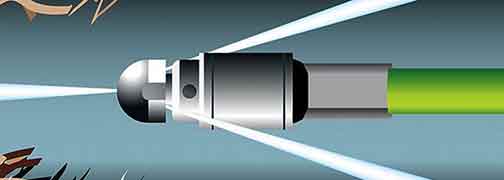
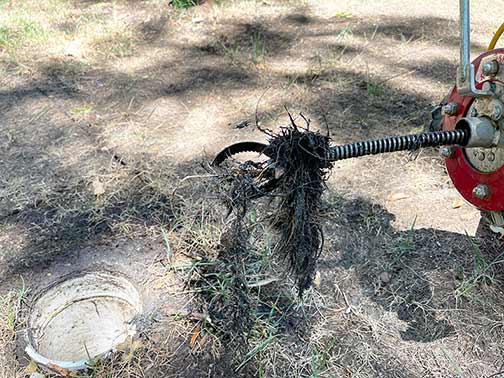
Root intrusions in trees are resolved through a tactical procedure consisting of mechanical and chemical treatment. The majority of sewer line roots are broken mechanically by utilizing mechanical augers, which effectively clear blockages and restore flow. Mechanically, these “sewer rodding” devices are designed to cut roots and other obstructions, providing immediate relief from blockage.
Chemical root killers can also be employed for future root growth checks. Chemicals are specifically engineered for inhibiting regrowth of roots without damaging the surrounding environment. They must, however, be employed with care and in conjunction with other methods in order to drive home results.
Trenchless sewer repair solutions such as pipe bursting and pipe lining yield long-term solutions by repairing or replacing damaged sewer pipes without extensive excavation. Pipe lining involves inserting a liner coated with resin into the existing pipe, where it solidifies and forms a new, durable pipe within the old pipe. Pipe bursting, on the other hand, involves bursting the existing pipe while laying the new pipe simultaneously. These methods are more invasive and expensive than traditional excavation.
Consolidating Solid Sewer Maintenance: Best Practices and Recommendations
In normal maintenance, the intrusions by tree roots are avoided and sewer pipes are protected to serve for a long time. These include frequent inspections, immediate repair, and judicious use of root inhibitors where the need arises. Owners of property should also consider the type of trees planted near sewer pipes, with the least intrusive root system as the preferred choice.
Implementing a proactive maintenance schedule can significantly reduce the risk of root intrusions. Regular inspections allow for the early detection of potential issues, enabling prompt intervention before significant damage occurs. Additionally, the use of root inhibitors can help prevent roots from entering sewer lines, providing an additional layer of protection.
The Role of Urban Planning in Mitigating Tree Root Issues in Sewer Lines
Urban planning plays a pivotal role in mitigating tree root issues in sewer lines. By considering the placement of trees and sewer lines during the planning stages, municipalities can reduce the likelihood of root intrusions. Implementing policies that promote the use of root barriers and encouraging the planting of appropriate tree species can also contribute to long-term solutions.
Root barriers are physical barriers installed underground to prevent roots from reaching sewer lines. These barriers can be made of various materials, including plastic or metal, and are designed to redirect root growth away from vulnerable areas. By incorporating root barriers into urban planning, cities can protect their sewer infrastructure while maintaining green spaces.
Collaborating with Professionals for Comprehensive Solutions to Tree Root Challenges
Solving tree root problems in sewer lines is a task that should be left to professionals. Advising with competent plumbers, arborists, and urban planners ensures the solutions implemented are not only effective but also sustainable. They can provide tailored advice and services that are specific to the individualized demands of each property and its ecosystem.
Plumbers may offer specialized services such as sewer camera inspections, sewer rodding, and repair techniques. Arborists may give tips on selecting tree species with less invasive root systems and provide guidance on where to plant trees. Urban planners can plan policies and strategies that include green infrastructure along with sewer system protection.
Conclusion: Adopting a Proactive and Informed Approach to Tree Root Challenges
In conclusion, tree root problems in Chicago sewer lines can be effectively managed through a forward-looking solution that incorporates professional service, regular maintenance, and urban planning. By dispelling myths and embracing practices as advocated by experts, homeowners and municipalities can protect their sewer systems and enhance their sustainability.
Realizing the impact of tree roots upon sewer lines, eradicating misconceptions, using advanced detection procedures, and implementing detailed methods are key to addressing the issue. Coordination with professionals and prudent city planning also help make these attempts fruitful. By adopting preventive and well-informed steps, Chicago can facilitate the preservation of its sewer infrastructure and maintain the health and vigor of its urban environment.