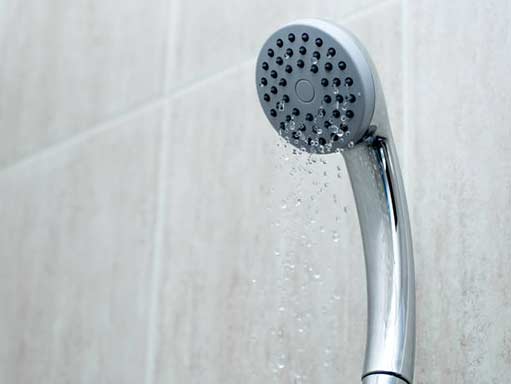
Low water pressure is a condition where the force of water flowing through the pipes is weaker than normal. In Chicago, this issue can be exacerbated by the city’s aging infrastructure and complex water systems. Homeowners experiencing low water pressure may find that daily tasks, such as showering or watering the garden, become time-consuming and inefficient. Understanding what constitutes low water pressure is the first step in addressing the problem effectively.
Exploring the Causes: Why Do Chicago Homes Experience Low Water Pressure?
Chicago’s unique geographical and infrastructural characteristics contribute to low water pressure in several ways. The city’s aging water infrastructure, which includes old and potentially corroded pipes, is a primary factor. Additionally, Chicago’s municipal water supply may undergo maintenance or repairs, temporarily affecting pressure. Internal factors, such as leaks, faulty pressure regulators, or sediment buildup in household pipes, also play a significant role. Understanding these causes helps homeowners pinpoint the source of their water pressure issues.
Recognizing the Signs: How to Identify Low Water Pressure in Your Home
Identifying low water pressure early can prevent more severe plumbing issues. Common symptoms include a weak stream of water from faucets or showerheads, prolonged filling times for toilets and appliances, and inconsistent water flow. Homeowners may also notice that appliances like dishwashers and washing machines take longer to complete cycles. Recognizing these signs allows for timely intervention and resolution.
The Impact on Daily Life: How Low Water Pressure Affects Home Systems
Low water pressure is more than an inconvenience; it can significantly impact home systems and appliances. Dishwashers and washing machines may require longer cycles or multiple rinses, leading to increased water usage and higher utility bills. Heating systems and water filtration units may also suffer, reducing their effectiveness and lifespan. Understanding these impacts underscores the importance of addressing low water pressure promptly.
Tools and Techniques: Assessing Your Home’s Water Pressure
Homeowners can assess their water pressure using simple tools and techniques. A water pressure gauge, available at most hardware stores, can be attached to outdoor spigots or indoor faucets to measure psi (pounds per square inch). Ideally, residential water pressure should range between 40-60 psi. If readings fall below this range, further investigation is warranted. Additionally, observing water flow consistency and checking for leaks can provide valuable insights into pressure issues.
Solutions and Strategies: Addressing Low Water Pressure in Chicago Homes
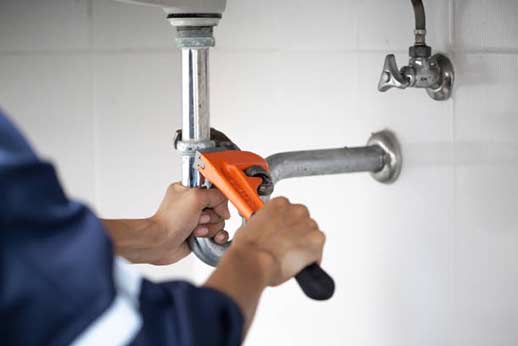
Once low water pressure has been identified, homeowners can explore various solutions. Simple fixes, such as cleaning aerators or showerheads, may resolve minor blockages. For more complex problems, a local plumber in Chicago may need to be called on to repair leaks, replace pipes, or adjust pressure regulators. In cases where municipal supply is the culprit, contacting local water authorities can provide information on expected resolution timelines.
Preventative Measures: Maintaining Optimal Water Pressure
Preventative maintenance is key to ensuring consistent water pressure. Regular inspections of plumbing systems can identify potential issues before they escalate. Homeowners are encouraged to clean and maintain fixtures, monitor water usage patterns, and invest in water-efficient appliances. Additionally, scheduling routine plumbing check-ups can help detect and address emerging problems early.
The Vital Role of Professional Plumbers in Managing Water Pressure
Professional plumbers play a vital role in diagnosing and resolving low water pressure issues. Their expertise allows for accurate identification of underlying causes and implementation of effective solutions. Homeowners should seek reputable Chicago plumbing services with experience in addressing water pressure concerns, ensuring their systems are restored to optimal functionality.
Understanding Chicago’s Water Infrastructure: A Complex Network
Chicago’s water infrastructure is a complex network of pipes, pumps, and treatment facilities ensuring water delivery to homes. Understanding how this infrastructure operates can provide insights into potential pressure issues. Factors such as seasonal changes, construction activities, and aging systems can impact water delivery, highlighting the importance of staying informed about municipal updates and developments.
Empowering Homeowners: Taking Control of Water Pressure Issues
Low water pressure is a manageable issue, provided homeowners have the necessary knowledge and resources to address it. By understanding the symptoms, causes, and solutions, Chicago homeowners can take proactive steps to maintain optimal water pressure, ensuring their homes remain functional and comfortable. Empowerment through education and professional support is key to overcoming the challenges posed by low water pressure.
Conclusion: Navigating Low Water Pressure with Confidence
In conclusion, low water pressure in Chicago homes is a multifaceted issue that requires a comprehensive understanding and approach. By recognizing the symptoms, identifying the causes, and implementing effective solutions, homeowners can manage their water systems efficiently. Regular maintenance, professional assistance, and staying informed about municipal developments are crucial components of a successful strategy. As homeowners become more informed and proactive, they can navigate the challenges of low water pressure with confidence and ensure the comfort and functionality of their homes.