Tag Archives: how to fix a garbage disposal

Understanding Garbage Disposal Issues and Fixes

Understanding Garbage Disposal Issues and Fixes

Garbage disposals are one of the most misunderstood appliances in homes, says Keyrenter Buxmont Group. People routinely dump all kinds of food scraps into their sink, hoping their garbage disposal will grind them. Consequently, garbage disposals are often a hugely problematic device in the kitchen.

However, most of these issues come from the wrong use and inadequate care of the appliance. If well-maintained, garbage disposals are one of the most beneficial appliances in your home. They help to prevent sewer line issues by minimizing the risk of clogs in your drainage system.

What are the common issues in garbage disposals? How should you use your garbage disposal to prevent these problems? Find the answers to these questions below. Here are five of the most common garbage disposal problems in homes, their causes, and what to do about them.

  1. Garbage disposal is jammed or clogged

Since its primary role is to crush food scraps into smaller bits that can easily pass through your drainage pipes, it should not be surprising that this is the most common garbage disposal problem. This issue originates mostly from the indiscriminate dumping of food scraps into the appliance.

Hard items that are not broken down by the appliance, such as large fruit seeds, bones, and shells, may lodge between the blades and prevent the free flow of water. Fats, oils, grease, and starch from a wide variety of food scraps can also stick to the blades of the appliance and clog it.

To fix this problem, turn off the unit from the circuit breaker box, remove the sink strainer, and reach into the pipe with a gloved hand or grasping tool to remove the offending material.

  1. Garbage disposal stinks

If your sink smells like trash, your garbage disposal is probably not grinding food scraps as efficiently as it could. The result is small pieces of food scraps left inside the unit. As the debris decays, the resulting bacterial growth will cause bad odors in your sink and pest infestation.

It’s also possible that the inside of the garbage disposal is coated with a thin layer of decaying food residue. To solve the problem, toss lime or lemon wedges into the disposal and run it for half a minute.

Pour ½ cup of baking soda and 1 cup of vinegar into the appliance, wait 5-10 minutes, and run cold water into the unit. To prevent this problem, clean the inside of your garbage disposal with a toothbrush, baking soda, and vinegar at least once a month.

  1. Garbage disposal makes strange noises

It is normal for the garbage disposal to make a low humming sound as it works. But if it makes a loud noise, that is not normal. Possible causes of the problem are: the blade is rubbing against a hard object within the appliance, or the blades of the unit are bent.

If there are objects stuck inside the unit, remove them by reaching into the appliance with a gloved hand or grasping tool. Remember to turn off the garbage disposal at the circuit breaker box before doing this.

Before running the appliance again, hit the reset button at the bottom of the unit. If the garbage disposal blade is bent, get a professional plumber to check the unit. The best solution might be to replace the entire unit.

  1. Garbage disposal is leaking

This problem is mostly the result of weak or broken seals. If the unit is leaking from the top, you may be dealing with brittle putty around the seal, a loose flange, a broken O-ring, or a worn-out rubber gasket. These problems don’t cost a lot to fix.

If the unit is leaking from its sides, the leak is probably from the supply line to the garbage disposal. Tightening the clamps and screws on this line should solve the problem. If the unit is leaking from the shell, you need a new appliance.

  1. Garbage disposal drains slowly 

Sometimes the blades of a garbage disposal will become dull from years of use. If this happens, the unit will lose its ability to break down food particles efficiently, leading to food matter piling up inside the appliance. Typically, this buildup occurs on top of the blade.

However, sometimes the spinning blades of the garbage disposal will let fibrous, greasy, and other unbreakable material pass through. But they will lodge at a point below the blades, causing a clog in the system. In this case, you cannot remove the clog from inside the sink.

To sharpen the blades of your garbage disposal, put some rock salt and ice cubes in the unit and run it. Then use cold water to clean out the unit.

These are not the only garbage disposal issues that can happen in your home; these are the most common. If your garbage disposal problem is not listed here or you have tried some of the solutions in this post but the issue persists, it may be time to call in a local plumbing expert.
How to Fix Your ‘Garbage’ Disposal

how to fix your garbage disposal

Garbage disposals help to ease the stress of tidying up after meals. They let you wash small pieces of food waste into the sink drain without fear that the particles will clog your drains, explains Ridgewood Property Management. Since their introduction in 1927, garbage disposals have become a required appliance in most kitchens.

But the trouble with garbage disposal units is they can stop working without warning. Sometimes you will hear the unit humming even though it is not working. Other times your garbage disposal will leak or simply fail to come on. What do you do when your garbage disposal acts up?

How to fix your garbage disposal

There are several reasons why your garbage disposal would stop working. Below we explain the steps for fixing different kinds of garbage disposal problems.

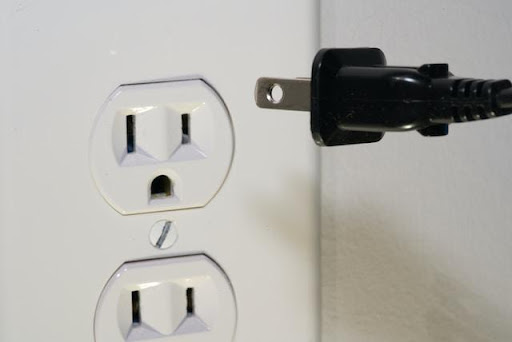
a plug and socket.

If the unit does not emit a humming sound after you flip the switch, it probably has an electrical fault.

The garbage disposal doesn’t power on

If the unit does not emit a humming sound after you flip the switch, it probably has an electrical fault. There are a few things that can keep the appliance from getting power. To solve this problem, do the following:

  • Check if the appliance is firmly plugged-in.

  • If it is plugged in, push the reset button on the bottom of the appliance. If the unit’s circuit breaker has tripped, this step will reset the garbage disposal.

  • If that doesn’t work, check the main service panel to see if the circuit breaker has tripped. If the breaker has tripped, reset the lever.

  • If this doesn’t work, it could be a wiring problem at the switch, or your garbage disposal is faulty.

  • Disassemble the switch to inspect the connections. If there are any loose connections, secure them or replace the entire switch if the problem is very bad.

  • Turn on the power, and if the unit still doesn’t power on, you may need a new garbage disposal.

The garbage disposal hums but doesn’t grind

If it makes a humming sound when you flip the switch but doesn’t grind, the flywheel of your garbage disposal is jammed. A jammed flywheel will force the circuit breaker to trip or make the appliance’s reset button pop out. To solve the problem:

  • Shut the power supply to the unit by switching it off and shutting off the breaker at the electrical service panel.

  • Take the offset wrench for the disposal unit and insert it into the flywheel hole at the bottom of the appliance.

  • Turn the wrench clockwise to dislodge any food particles impeding the impeller. Do this until you feel the flywheel turn freely.

  • Alternatively, insert a wooden spoon handle or similar wooden object into the disposal through the drain opening. Use this as a lever to free the stuck flywheel.

  • Sometimes, the best option is to remove the object jamming the appliance. Point a flashlight into the disposal to find the object; remove it with a pair of pliers.

  • Press the reset button and run some water into the unit. Turn the unit on and off several times while you are doing this.

Garbage disposal drains slowly

A slow-draining garbage disposal is mostly caused by clogs inside the drainpipes. The simple fix for this problem is to disassemble the drain trap and discharge pipe to get rid of any food waste inside them.

  • Disconnect the discharge pipe from the disposal by removing the bolts.

  • Disconnect and remove the drain trap with the discharge drain pipe.

  • Inspect the disposal for clogs and clean the appliance (ensure the power is turned off).

  • Check the branch drain line for clogs and clear it with an auger.

  • Reassemble the drain trap and couple the discharge tube to the garbage disposal.

  • Run the water and turn on the disposal unit to ensure the water is flowing freely.

To prevent future occurrences of this problem, don’t allow starchy foods – like mashed potatoes or cooked rice – to get into your garbage disposal. At least once a month, clean the appliance by throwing some lemon peel and ice cubes into the unit and grinding them up.

starchy foods

To prevent future occurrences of this problem, don’t allow starchy foods – like mashed potatoes or cooked rice – to get into your garbage disposal.

The garbage disposal is leaking

There are several places where you can have leaks in a garbage disposal. The common leak sites are at the sink flange, the hose that connects the disposal to the dishwasher and the discharge hose for the appliance.

  • A leak at the sink flange, where the disposal connects to the sink, is fairly easy to fix. All that is needed is to disassemble the connections between the sink and the disposal unit before forcing some plumber’s putty into the space between the flange and the sink.

  • If the leak is at the dishwasher connection, you may only need to tighten the hose or, if that doesn’t work, replace the hose completely.

  • Fixing a leak at the discharge drainpipe entails checking the connections to see if they are tight and replacing the gasket seal between the disposal unit and the pipe. 

Finally, not all garbage disposal problems can be solved. Sometimes the only fix is to get a new appliance. If you still can’t figure out the problem after troubleshooting your garbage disposal, it may be time to let a professional kitchen plumber take a look at the disposal unit.