Tag Archives: how to fix a clogged drain

Understanding Drain Clogs: Common Causes and Effective Solutions

Understanding Drain Clogs

In every household, the plumbing system is what keeps daily routines intact, ranging from morning showering to doing the dishes after dinner. Yet, one of the typical issues that can disrupt these routines is a clogged drain. Being aware of the causes and solutions of drain clog is not just important for homeowners but also for anyone who wants to have a well-functioning plumbing system. This article discusses the most frequent causes of clogged drains and offers effective preventive measures. Knowing how your plumbing system operates, you can take preventive measures ahead of time and prevent the inconvenience of clogged pipes.

Common Causes of Drain Clogs: Identifying the Culprits

Clogs in drains can be caused by a number of factors, each contributing to the clog in unique ways. Knowing these causes is step one to preventing clogs and ensuring an effective plumbing system. Know the reasons for clogs to be able to provide specific solutions that homeowners can implement and prevent repetitive problems.

Hair Congestion: Hair is one of the most common culprits, especially around bathroom drains. With soap and other detritus, hair will bond together to form hard clogs. As the sticky mixture clings to the walls of the pipe, this gummy substance slowly tightens the pipe passage and restricts water flow.

Soap Scum Build-up: Soap, particularly bar soap, causes a build-up in the form of a residue known as soap scum. This will eventually become blocked. Soap scum tends to combine with other impurities in the water to create a sticky residue that coats pipes and constricts them.

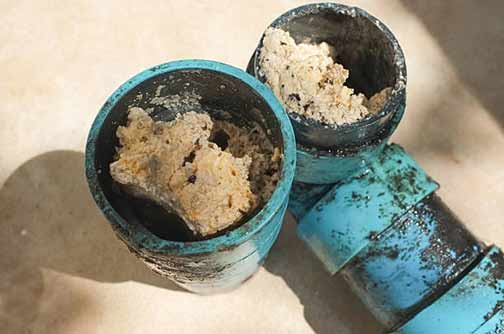
Grease and Oil: Grease and cooking oil in kitchen sinks will solidify and stick to pipes, causing troublesome clogs. These oils thicken as they cool, creating heavy residues that obstruct water flow and trap food particles.

Food Particles: Even with a garbage disposal, certain food particles like coffee grounds and eggshells can create clogs. They could become trapped in the pipes, especially if not fully ground, and contribute to the junk accumulation.

Mineral Buildup: Hard water contains minerals that build up over time, reducing the flow of water and creating clogs. The deposits of minerals, known as scale, can build up on the interior pipe surfaces, reducing the pipes’ ability to carry water with time.

Foreign Objects: Foreign objects such as toys, accessories, or even excess toilet paper can accidentally fall into drains and cause clogging. These foreign objects will instantly block and prevent free water flow while requiring immediate elimination.

Practical Solutions to Preventing Drain Clogs: Handy Tips and Tricks

Clogged drains are generally easier to prevent than they are to fix once they’ve occurred. The following are some useful tips to keep your plumbing system in great condition. By applying these prevention measures, homeowners are able to minimize the potential of clogs and get full water flow in their plumbing system without any hindrances.

Regular Cleaning: Performing regular cleaning of your drains can help prevent clogging. A solution of vinegar and baking soda can be used to dissolve residue naturally. The two chemicals react to loosen deposits and wash them out, unclogging pipes.

Make Use of Drain Screens: Installing drain screens will catch hair, food scraps, and other substance before they go into the pipes. The screens will act as a filter to catch solids from entering the drainage system and clogging it.

Correct Grease Disposal: Instead of pouring grease down the drain, pour the grease into a can and dispose of it in the trash. This action prevents grease from solidifying in pipes and contributing to clog formation.

Correct Use of Garbage Disposal: Avoid feeding difficult-to-grind foods like bones and fibrous vegetables to your garbage disposal. These foods will ruin your disposal unit and create clogs.

Regular Maintenance: Regular plumbing check-ups can help to catch possible issues before they become full-fledged problems. Professional inspections can detect early wear or damage, allowing for timely repair and prevention of clogs.

DIY Solutions for Unclogging Drains: Quick Fixes for Minor Clogs

At times, even with your greatest efforts, clogs may develop. The following are some do-it-yourself remedies to remove minor blockages. The techniques may provide instant relief and normalize drainage without the need of a plumber.

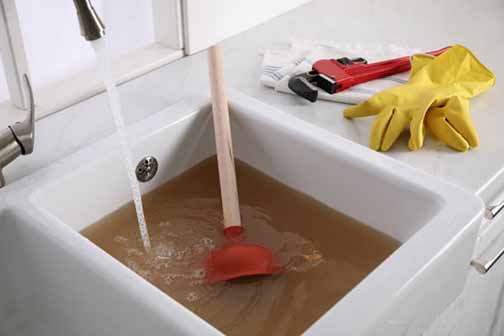
Plunger: A plunger is useful in clearing out small clogs in toilets and sinks. The suction power dislodges the obstructions and restores water flow.

Drain Snake: A drain snake can reach further into pipes to draw out clogs beyond the reach of a plunger. This flexible device can curve around bends and loosen obstructions and restore normal flow.

Boiling Water: Boiling water down the drain dissolves grease and scum from soap. Heat loosens deposits and washes them away, unclogging pipes.

Baking Soda and Vinegar: This natural treatment can dissolve clogs without resorting to the abrasive chemicals in store cleaners. The fizzing process breaks up the debris and flushes out the pipes.
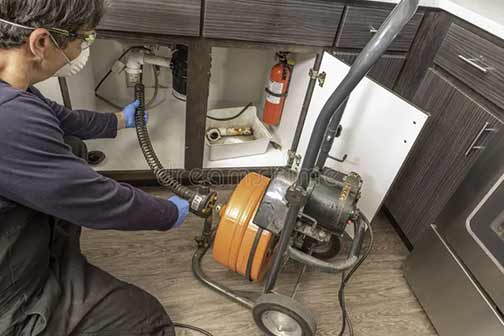
a professional drain cleaning service

Scented odors from drains can be a sign of a clogged sewer or serious clog. Foul smells typically result from trapped garbage that will require professional sewer rodding service to clean out.

When to Call a Professional: How to Identify Serious Plumbing Problems

Whereas at-home remedies fix a small clog, there are times when the professionals need to be called in. It saves time and destruction to know when these moments are. Recognizing when to call in the pros ensures that more complex issues are attended to early and effectively.

Repeating Clogs: A repeating clog that is unable to be removed by multiple attempts may need professional drain cleaning assistance. Repeated blockages may signal underlying problems that require unique tools and expertise to repair.

Slow Drainage: Chronic slow drainage is a sign that there is something amiss in the plumbing system. The symptom may indicate concealed pipe damage or excessive amount of clog that should be examined by a professional.

Foul Smells: Scented odors from drains can be a sign of a clogged sewer or serious clog. Foul smells typically result from trapped garbage that will require professional sewer rodding service to clean out.

Several Clogged Drains: If several drains are plugged at the same moment, there could be a problem with the main sewer line. The problem should be addressed quickly by a professional plumber to prevent serious damage.

Conclusion: Maintaining a Healthy Plumbing System

An understanding of clogged drains and the use of effective solutions can reduce the chances of plumbing failure by a great measure. Regular home maintenance, careful practices, and timely professional intervention are all required to keep your plumbing system in top shape. Homeowners can enjoy the convenience of a well-functioning plumbing system as well as the prevention of the hassle and expense of clogged drains by taking proactive measures. A well-maintained plumbing system not only ensures smooth day-to-day functioning but also contributes to your home’s overall health and value.

Solving Sink Drainage Issues When Your Pipes Are Clear

Solving Sink Drainage Issues When Your Pipes Are Clear

Sinks are an essential part of any household, serving a variety of purposes from washing dishes to personal hygiene. The basic operation of a sink involves water flowing from the faucet, through the sink basin, and down the drain. The drainage system is designed to carry wastewater away from the sink and into the home’s plumbing system, eventually leading to the municipal sewer or a septic tank.

The key components of a sink drainage system include the drain trap, also known as a P-trap, the drain pipe, and the vent pipe. The P-trap is a curved section of pipe located beneath the sink that holds a small amount of water. This water acts as a barrier to prevent sewer gases from entering the home. The drain pipe carries wastewater away from the sink, while the vent pipe allows air to enter the plumbing system, ensuring proper drainage and preventing the formation of a vacuum.

Understanding the roles of these components is crucial for diagnosing and solving sink drainage issues. The P-trap, for instance, not only prevents sewer gases from entering the home but also helps in trapping debris that could potentially clog the drain. The vent pipe, on the other hand, plays a vital role in maintaining air pressure within the plumbing system, which is necessary for the smooth flow of water.

Common Causes of Sink Drainage Issues Despite Clear Pipes: Identifying Hidden Problems

Even when pipes appear clear, several factors can contribute to sink drainage issues. One common cause is a partial blockage that is not immediately visible. This can occur due to the accumulation of grease, soap scum, hair, and other debris over time. These substances can build up on the inner walls of the pipes, gradually narrowing the passage and slowing down drainage.

Another potential cause is a problem with the venting system. Proper ventilation is crucial for maintaining the flow of wastewater through the pipes. If the vent pipe is blocked or damaged, it can create a vacuum that hinders drainage. Additionally, issues with the P-trap, such as a leak or improper installation, can also affect drainage performance.

In some cases, the issue may be related to the overall plumbing system. For example, if the main sewer line is partially blocked or damaged, it can impact the drainage of all sinks and fixtures in the home. Similarly, if the plumbing system is not properly pitched, meaning the pipes are not angled correctly, it can lead to slow drainage and standing water in the sink.

Identifying these hidden problems requires a thorough camera inspection of the entire sewer line. This includes checking for any signs of wear and tear, ensuring that all components are properly installed, and verifying that there are no obstructions in the venting system.

The Role of Ventilation in Sink Drainage: Ensuring Proper Airflow

Ventilation plays a critical role in the proper functioning of a sink drainage system. The vent pipe allows air to enter the plumbing system, which helps to equalize pressure and facilitate the flow of wastewater. Without adequate ventilation, a vacuum can form within the pipes, making it difficult for water to drain efficiently.

In addition to preventing a vacuum, proper ventilation also helps to prevent the buildup of sewer gases within the plumbing system. These gases can be hazardous to health and can cause unpleasant odors in the home. The vent pipe ensures that these gases are safely vented out of the house, maintaining a safe and comfortable living environment.

It is important to regularly inspect and maintain the venting system to ensure it is functioning correctly. This may involve checking for blockages, such as leaves or debris, that could obstruct the vent pipe. Additionally, ensuring that the vent pipe is properly installed and free from damage is essential for optimal drainage performance.

Proper ventilation not only aids in drainage but also extends the lifespan of the plumbing system by preventing pressure buildup that can cause leaks and other damages. Regular maintenance and timely repairs of the venting system can save homeowners from costly plumbing issues in the long run.

Diagnosing Sink Drainage Problems: A Step-by-Step Guide

When experiencing sink drainage issues, it is important to diagnose the problem accurately to determine the most effective solution. Start by observing the symptoms, such as slow drainage, gurgling sounds, or standing water in the sink. These signs can provide valuable clues about the underlying cause of the issue.

Next, inspect the P-trap and drain pipe for any visible blockages or damage. Remove the P-trap and clean it thoroughly to ensure it is free from debris. If the P-trap appears to be in good condition, proceed to check the vent pipe for any obstructions. This may involve climbing onto the roof to access the vent pipe and removing any blockages.

If the issue persists, it may be necessary to conduct a more thorough inspection of the plumbing system. This can involve using a plumbing snake or auger to clear any blockages within the pipes. In some cases, it may be beneficial to use a camera inspection to identify hidden issues within the plumbing system.

Accurate diagnosis is the key to effective problem-solving. It helps in identifying the exact cause of the drainage issue, whether it’s a minor blockage or a major structural problem. This step-by-step approach ensures that all potential causes are examined and addressed accordingly.

a plumber performing a hot water hydro jetting.

Professional solutions may include hot water hydro jetting, which involves using high-pressure water to clear blockages and clean the inner walls of the pipes.

Professional Solutions for Sink Drainage Issues: When to Call a Plumber

When DIY methods are not sufficient to resolve sink drainage problems, it may be time to seek professional assistance. Plumbers have the expertise and tools necessary to diagnose and fix complex drainage issues. They can conduct a comprehensive inspection of the plumbing system, identify the root cause of the problem, and recommend the most effective solution.

Professional solutions may include hot water hydro jetting service, which involves using high-pressure water to clear blockages and clean the inner walls of the pipes. This method is highly effective for removing stubborn buildup and restoring proper drainage. In cases where the vent pipe is damaged, a plumber can repair or replace the vent to ensure optimal ventilation.

Additionally, plumbers can address issues with the main sewer line, such as blockages or damage, that may be affecting the entire plumbing system. They can also provide advice on preventative measures to avoid future drainage problems, ensuring the long-term functionality of the sink drainage system.

Calling a professional plumber not only ensures that the problem is fixed correctly but also provides peace of mind. Plumbers can offer long-term solutions and preventative advice that can help homeowners avoid recurring drainage issues.

Preventative Measures to Avoid Future Drainage Problems: Maintenance Tips

Preventing sink drainage issues requires regular maintenance and mindful usage of the plumbing system. Start by avoiding the disposal of grease, food particles, hair, and other debris down the sink drain. Use a drain strainer to catch larger particles and dispose of them in the trash.

Regularly clean the P-trap and drain pipe to prevent the buildup of debris. This can be done by removing the P-trap and washing it with warm, soapy water. Additionally, consider using a natural drain cleaner, such as a mixture of baking soda and vinegar, to keep the pipes clean and free from buildup.

Inspect the vent pipe periodically to ensure it is free from blockages and in good condition. If you notice any issues, address them promptly to prevent drainage problems. Additionally, consider scheduling regular plumbing inspections with a plumber to identify and address potential issues before they become major problems.

Implementing these preventative measures can significantly reduce the likelihood of sink drainage issues. Regular maintenance and mindful usage ensure that the plumbing system remains in optimal condition, providing efficient drainage and preventing costly repairs.

Conclusion: Ensuring Long-Term Functionality of Your Sink Drainage System

Solving sink drainage issues when your pipes are clear can be challenging, but understanding the basics of sink drainage, identifying common causes, and addressing ventilation problems can help restore proper drainage. By diagnosing the issue accurately and seeking professional solutions when necessary, you can ensure the long-term functionality of your sink drainage system. Implementing preventative measures and regular maintenance will help avoid future drainage problems, keeping your plumbing system in optimal condition.

Maintaining a well-functioning sink drainage system is essential for a comfortable and hygienic living environment. By taking proactive steps and seeking professional help when needed, homeowners can enjoy efficient drainage and avoid the inconveniences and costs associated with plumbing issues.

How to Deal with Reoccurring Clogs in your Chicagoland Home

How to Deal with Reoccurring Clogs in your Chicagoland Home

Dealing with reoccurring clogs in your Chicagoland home can be frustrating and inconvenient. However, understanding the common causes of these clogs and knowing how to effectively deal with them can help you maintain a smoothly running plumbing system. Below we will explore the main reasons why clogs happen in the first place and provide you with practical solutions to resolve them.

Faulty Plumbing System

In some cases, reoccurring clogs can be attributed to a faulty plumbing system. If your home’s plumbing was not properly installed or if there are underlying issues with the pipes, it can lead to frequent clogs. Common problems include misaligned pipes, low water pressure, and inadequate pipe diameter.

To address this issue, it is essential to enlist the help of a professional plumber. A skilled plumber will be able to assess your plumbing system, identify any underlying problems, and make the necessary repairs or replacements. Investing in the expertise of a professional will ensure that the root cause of the clogs is addressed, minimizing the likelihood of future clogs.

Poor Drain Maintenance

Another common cause of reoccurring clogs is poor drain maintenance. Over time, debris, such as hair, soap residue, and food particles, can accumulate in your drains, leading to blockages. Additionally, the buildup of mineral deposits can restrict water flow and contribute to clogs.

To prevent clogs caused by poor drain maintenance, it is important to establish a regular cleaning routine. Start by removing any visible debris from the surface of the drain and then use a mixture of baking soda and vinegar to break down any stubborn buildup. Alternatively, you can purchase drain cleaning solutions from your local hardware store.

In addition to regular cleaning, it is advisable to use drain screens or guards to catch large particles before they enter the drain. This simple preventive measure can significantly reduce the occurrence of clogs and keep your plumbing system running smoothly.

Tree Roots in Sewer Lines

In some instances, reoccurring clogs may be due to tree roots infiltrating your sewer lines. Tree roots naturally seek moisture, and they can make their way into small cracks or joints in your pipes. Once inside, the roots can grow and expand, causing blockages and potentially damaging your plumbing system.

If tree roots are the cause of your reoccurring clogs, it is crucial to address the issue promptly. Contact a professional plumber who specializes in sewer line camera inspections and repairs. They will use specialized equipment to identify the location and extent of the root intrusion, and then recommend the most appropriate course of action, which may include root removal or pipe replacement.

a clog caused by pouring grease down a drain.

When grease is poured down the drain, it cools and solidifies, clinging to the walls of the pipes.

Dispose of Grease Properly

Improper disposal of cooking grease is a common culprit for reoccurring kitchen sink clogs. When grease is poured down the drain, it cools and solidifies, clinging to the walls of the pipes. Over time, this buildup can restrict water flow and lead to clogs.

To prevent grease-related clogs, it is essential to dispose of cooking grease properly. Allow the grease to cool after cooking, and then scrape it into a disposable container. Once the container is full, seal it and throw it in the trash. Alternatively, you can use absorbent materials, such as paper towels, to soak up the grease before throwing it away.

An effective way to remove any residual grease in the pipes is to pour boiling water down the drain regularly. This will help dissolve any grease buildup and keep the pipes clear.

Install Drain Strainers

Installing drain strainers in your sinks, tubs, and showers is an easy way to prevent hair, soap residue, and other debris from entering the drain and causing clogs. These strainers are inexpensive and can be found at most home improvement stores.

Regularly cleaning the drain strainers is also important to maintain their effectiveness. Simply remove them and rinse away any accumulated debris under warm water.

In Summary

Dealing with reoccurring clogs in your Chicagoland home requires a combination of proactive measures and professional assistance, if needed. By understanding the common causes of these clogs and implementing the suggested solutions, you can ensure that your plumbing system remains free from frequent blockages. Remember to prioritize proper drain maintenance, dispose of grease correctly, and consider installing drain strainers to keep your pipes flowing smoothly. With these preventive actions, you can enjoy a clog free home and peace of mind.