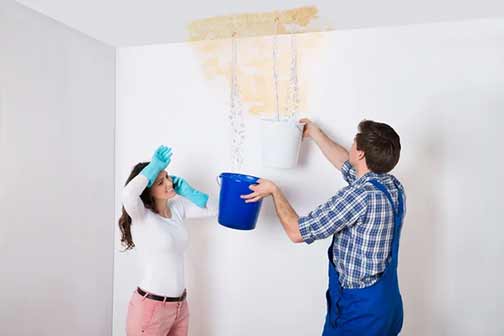
Water leaks inside walls represent a significant threat to homeowners, potentially leading to severe structural damage, mold growth, and costly repairs. Early detection of these leaks is crucial to preventing extensive damage and preserving the integrity of your home. Here we aim to equip homeowners with expert techniques to identify wall water leaks with precision and care, ensuring a safe and secure living environment.
Uncovering the Common Causes of Water Leaks Inside Walls: A Homeowner’s Guide
Understanding the common causes of water leaks is the first step in effective detection. Leaks can originate from various sources, including faulty plumbing, roof damage, or poor waterproofing. Plumbing issues such as burst pipes or corroded connections are frequent culprits, as are roof leaks caused by damaged shingles or inadequate flashing. Additionally, poor waterproofing and inadequate drainage systems can lead to water seepage into walls. Identifying the root cause is essential for implementing the right solution and preventing future occurrences.
Recognizing the Signs of Water Leaks Inside Walls: Early Detection Techniques
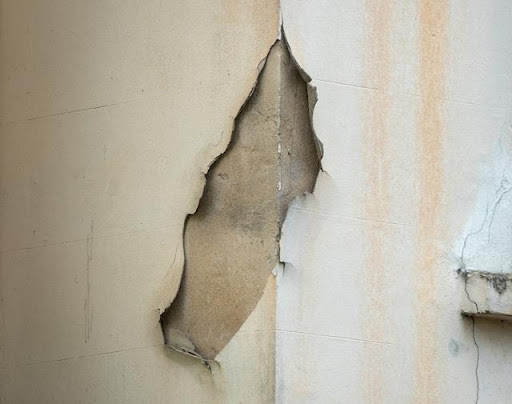
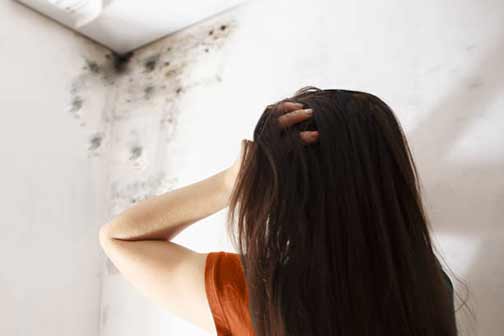
Recognizing the signs of water leaks is crucial for early detection and intervention. Homeowners should be vigilant for discoloration or damp spots on walls, peeling paint or wallpaper, and musty odors. These indicators suggest the presence of moisture and potential leaks. Additionally, bubbling or cracking in plaster, unexplained increases in water bills, and visible mold growth are strong indicators of hidden leaks. By paying attention to these signs, homeowners can act swiftly to address the underlying issues.
Implementing Professional Techniques for Detecting Wall Water Leaks with Precision
Professional techniques for detecting water leaks involve a combination of visual inspections and advanced tools. Thermal imaging cameras can detect temperature variations caused by moisture, while moisture meters can measure the dampness level within walls. These tools provide accurate readings to pinpoint leak locations, enabling targeted repairs. Experienced plumbers may also use acoustic listening devices to detect the sound of water escaping from pipes, further enhancing detection accuracy.
Conducting a Comprehensive Visual Inspection: Key Steps for Homeowners
A thorough visual inspection involves examining walls for visible signs of water damage. Homeowners should check for cracks, stains, or any unusual changes in the wall’s appearance. Inspecting areas near plumbing fixtures and rooflines can also reveal potential leak sources. Pay special attention to the bases of walls, corners, and areas around windows and doors, as these are common entry points for water. Regular inspections can help catch issues early, reducing the risk of significant damage.
Harnessing the Power of Thermal Imaging Cameras for Hidden Leak Detection
Thermal imaging cameras are invaluable tools for detecting hidden leaks. These cameras capture infrared images that highlight temperature differences, allowing homeowners to see cold spots indicative of moisture. This non-invasive method provides a clear view of leak-prone areas without damaging walls. By identifying temperature anomalies, homeowners can pinpoint areas needing further investigation, ensuring a comprehensive assessment of potential leaks.
Utilizing Moisture Meters for Precise Water Leak Detection
Moisture meters are essential for measuring the moisture content in walls. By inserting the meter’s probes into the wall surface, homeowners can obtain precise readings of dampness levels. High moisture readings signal the presence of a leak, enabling targeted repairs. These devices are particularly useful in assessing the extent of water damage and evaluating the effectiveness of repairs, ensuring long-term protection against future leaks.
Implementing Preventive Measures to Avoid Water Leaks: A Proactive Approach
Preventing water leaks requires proactive measures and regular maintenance. Homeowners should regularly maintain plumbing systems, ensuring pipes and connections are in good condition. Proper roof drainage is essential to prevent water accumulation, while applying waterproofing solutions to vulnerable areas can reduce water infiltration risks. Routine inspections can catch potential issues before they escalate into leaks, safeguarding the home’s structural integrity.
Addressing Water Leaks Promptly: Essential Steps for Homeowners
Once a water leak is detected, addressing it promptly is vital to preventing further damage. Homeowners should contact professional plumbers to repair the leak and assess any structural damage. Timely intervention can save costs and protect the home’s integrity. Additionally, addressing underlying issues such as poor drainage or inadequate waterproofing can prevent future leaks and enhance home resilience.
Developing Long-Term Strategies for Comprehensive Home Protection
Adopting long-term strategies for home protection involves regular maintenance and upgrades. Installing water leak detection systems and investing in quality building materials can enhance the home’s resilience against leaks. These systems can provide real-time alerts, allowing homeowners to respond quickly to potential issues. Additionally, upgrading insulation and waterproofing measures can reduce the risk of leaks, contributing to a safer, more secure living environment.
Conclusion: Empowering Homeowners with Knowledge and Expertise
Mastering wall water leak detection empowers homeowners to safeguard their property with precision and care. By understanding the causes, recognizing signs, and utilizing professional techniques, homeowners can effectively protect their homes from water damage. This proactive approach not only preserves the home’s value but also ensures a safe and comfortable living space for years to come. Through continuous education and vigilance, homeowners can maintain a resilient and secure home environment.