
In the realm of home maintenance and plumbing, the significance of identifying hidden pipe leaks cannot be overstated. These concealed leaks, often lurking beneath floors or behind walls, pose a substantial threat to the integrity of a building. Not only can they lead to extensive water damage, but they can also result in costly repairs if not addressed promptly. For both professionals and homeowners, understanding the potential dangers and adopting strategic methods for early detection is crucial in safeguarding property and avoiding unnecessary expenses.
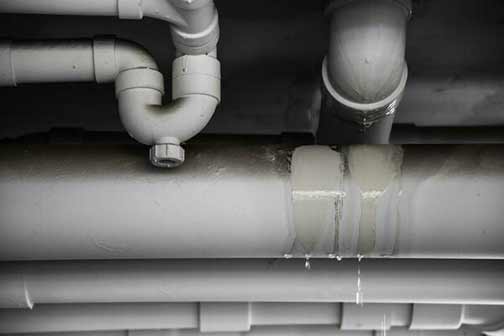
Hidden pipe leaks are a stealthy adversary, often going unnoticed until the damage becomes severe. They can compromise structural integrity, leading to deterioration over time, and pose health risks due to mold and mildew growth. The financial strain of repairing extensive damage can be significant, underscoring the importance of proactive detection and maintenance strategies.
Common Causes of Hidden Pipe Leaks
Hidden pipe leaks can originate from various sources, each presenting unique challenges in detection and resolution. Aging pipes are a primary cause, as wear and tear over time can result in small fissures that gradually worsen. Additionally, poor installation practices or the use of substandard materials can lead to leaks. Environmental factors such as ground movement, temperature fluctuations, and pressure changes also contribute to the deterioration of pipes, making them susceptible to leaks.
Corrosion is another common culprit, particularly in homes with older plumbing systems. As pipes corrode, they weaken and become prone to leaks. Furthermore, accidental damage during renovations or repairs can create vulnerabilities in the plumbing system. Understanding these causes is essential for implementing effective prevention and detection strategies.
Signs of Concealed Pipe Leaks: What to Look For
Detecting hidden pipe leaks requires vigilance and an understanding of subtle indicators that may suggest their presence. One of the most noticeable signs is an unexplained increase in water bills, indicating water loss from leaks. Homeowners should also watch for damp spots on walls, ceilings, or floors, which may suggest water accumulation from a hidden leak. The presence of mold or mildew, often accompanied by a musty odor, can be a strong indicator of moisture problems caused by leaks. Additionally, low water pressure or unusual sounds in the plumbing system may signal underlying issues.
Additional signs include peeling paint or wallpaper, which can result from prolonged exposure to moisture. Warped or buckling floorboards are another indication, as water seepage can cause wood to swell and deform. Regularly inspecting these areas and being attentive to changes can help in early detection and prevent further damage.
Advanced Techniques for Early Detection
For professionals and homeowners alike, employing advanced techniques for early detection of hidden pipe leaks can prevent escalation and minimize damage. Thermal imaging cameras are a powerful tool, allowing users to identify temperature variations that may indicate moisture presence. Acoustic leak detection devices can pinpoint the location of leaks by detecting sound waves generated by water escaping from pipes. Moisture meters and infrared cameras are also effective in assessing areas for potential leaks. These technologies, combined with regular inspections, provide a comprehensive approach to leak detection.
In addition to technology, incorporating routine inspections by trained professionals can enhance detection efforts. Professionals can identify vulnerabilities and recommend targeted solutions based on their expertise. Combining technological tools with professional insights creates a robust strategy for managing hidden pipe leaks.
Preventive Measures to Avoid Hidden Pipe Leaks
Prevention is always better than cure, and adopting preventive measures can significantly reduce the risk of hidden pipe leaks. Regular maintenance of plumbing systems, including inspections and timely repairs, is essential. Ensuring proper installation and using high-quality materials can prevent future leaks. Homeowners should also be mindful of environmental factors, such as temperature extremes, and take steps to protect pipes from freezing or excessive pressure. Additionally, installing leak detection systems can provide early warnings and enable prompt action.
Educating homeowners about the importance of water pressure regulation and the risks associated with high pressure can also aid in prevention. Implementing pressure-reducing valves can help maintain optimal pressure levels, reducing the likelihood of leaks. Regularly checking for signs of corrosion and addressing them promptly can further safeguard plumbing systems.
Professional Intervention: When to Call an Expert
While homeowners can take several steps to detect and prevent hidden pipe leaks, there are situations where professional intervention is necessary. If a leak is suspected but cannot be located, or if the damage appears extensive, calling a plumbing expert is advisable. Professionals have the expertise and equipment to accurately diagnose and resolve leak issues. They can also offer guidance on preventive measures and ensure that repairs are conducted efficiently and effectively.
Professional intervention is particularly crucial in complex plumbing systems, where leaks may be challenging to identify. Experts can assess the entire system, pinpointing areas of concern and providing comprehensive solutions. Their involvement ensures that repairs are thorough, minimizing the risk of recurrence and safeguarding property integrity.
The Financial Implications of Unaddressed Pipe Leaks
Failing to address hidden pipe leaks can have significant financial implications. Water damage caused by leaks can lead to costly repairs, including replacing damaged flooring, walls, and ceilings. Mold remediation, often required in cases of prolonged moisture exposure, can also be expensive. Additionally, increased water bills due to undetected leaks can strain household budgets. By investing in early detection and preventive measures, homeowners can avoid these financial burdens and protect their property value.
Beyond direct repair costs, unaddressed leaks can decrease property value, making it less attractive to potential buyers. The presence of mold and mildew can also pose health risks, leading to additional expenses for medical treatment and remediation. By prioritizing early detection and intervention, homeowners can maintain property value and ensure a safe living environment.
Conclusion: The Necessity of Vigilance and Proactive Measures
In conclusion, the unseen dangers of hidden pipe leaks underscore the necessity of vigilance and proactive measures in both residential and commercial settings. By understanding the causes and signs of leaks, employing advanced detection techniques, and taking preventive steps, homeowners and professionals can effectively mitigate the risks associated with concealed pipe leaks. Early intervention not only preserves the integrity of a building but also saves time and money, ensuring a safe and comfortable environment for all occupants.
The challenge of hidden pipe leaks demands a comprehensive approach, integrating technology, professional expertise, and homeowner awareness. By fostering collaboration and prioritizing proactive strategies, communities can safeguard their properties, ensuring longevity and sustainability in plumbing systems.