Tag Archives: how do tankless water heaters work

Tankless Water Heaters: The Smart Upgrade You Didn’t Know You Needed

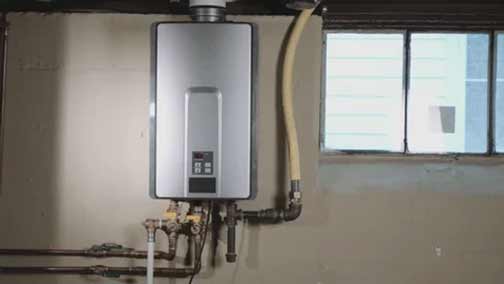
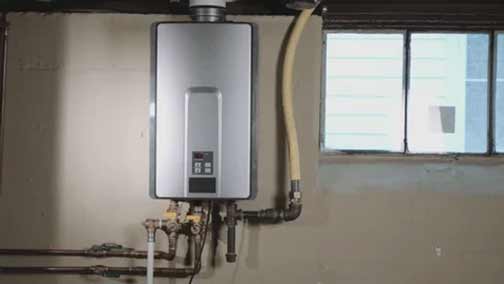
a tankless water heater installation

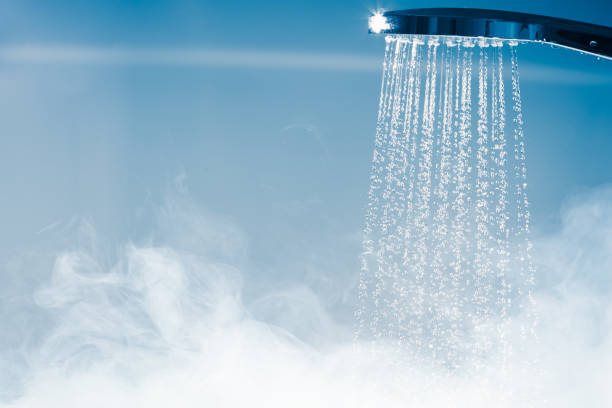
If you’ve ever run out of hot water mid-shower or watched your energy bills climb every winter, it might be time to rethink your water heating system. Tankless water heaters, also known as on-demand water heaters, are transforming the way homeowners approach hot water, offering efficiency, convenience, and long-term savings. Here’s why upgrading to a tankless system might be the smartest home improvement you’ve never considered.


What Is a Tankless Water Heater?

In contrast to traditional water heaters that store gallons of hot water in a tank, tankless water heaters heat water only when you need it. When you turn on the faucet, cold water flows through the device and is heated up immediately, providing you with an endless hot water supply.

This on-demand system does away with the need for storage tanks, conserves energy lost heating water round the clock 24/7, and allows residents to enjoy hot water at their beck and call 24/7 with no interruption—whether during rush periods.


Major Benefits of Tankless Water Heaters

1. Endless Hot Water

One of the biggest annoyances of conventional water heaters is to run out of hot water during a shower or when washing clothes. Tankless water heaters provide hot water as needed, so multiple family members can shower and appliances can run simultaneously without interruption.

2. Energy Efficiency and Lower Bills

Tankless water heaters are far more energy-efficient since they only heat water when required. According to the U.S. Department of Energy, the switch to a tankless system can save households as much as 30% in water heating costs. Over time, this savings can pay for the initial installation cost, so it is an affordable upgrade.

3. Compact, Space-Saving Design

Since they lack a heavy tank, tankless water heaters are lightweight and can be installed within small rooms, basements, garages, or even wall hooks. Due to this, they are ideal for small houses or apartments where there is little space.

4. Longer Lifespan

Traditional water heaters have a typical lifespan of 10–15 years, while tankless water heaters can last 20 years or more with proper maintenance. This longer lifespan translates into fewer replacement and wastage costs, which makes tankless water heaters a sound long-term investment.

5. Eco-Friendly Option

With reduced energy usage and reduced wastage of water, tankless water heaters are environmentally friendly. For individuals who are concerned about leaving minimal carbon footprints, switching to an on-demand system is the right way to go.


Types of Tankless Water Heaters

Electric Tankless Water Heaters

Electric models are compact, easier to install, and ideal for small to medium-sized families. They tend to have lower up-front costs but may require electrical upgrades in some homes.

Gas Tankless Water Heaters

Gas models (natural gas or propane) are powerful and efficient, and can supply hot water for larger households. Installation may be more complicated, but they have faster recovery times and can support higher water flow rates.


How to Choose the Right Tankless Water Heater

Selecting the right tankless water heater requires considering several factors:

Household Size: The larger the family, the greater flow rate is needed to provide instant hot water demand at the same time.

Hot Water Usage: Consider showers, washing clothes, washing dishes, and appliances utilizing hot water.

Fuel Type: Electric or gas based on home setup, energy cost, and desire.

Installation Requirements: Some models require venting or upgraded plumbing, so professional installation is a must.


Installation: Why Professional Help Matters

Installation matters to ensure your tankless water heater operates efficiently and safely. Professional, licensed plumbers can:

  • Correctly size your system for your home’s hot water needs.
  • Install safely, considering electrical, gas, and plumbing factors.
  • Optimize the system for energy efficiency.

Improper installation can lead to decreased efficiency, ongoing maintenance issues, or even damage to the unit. Investing in professional tankless water heater installation ensures your system performs at its best.


Maintenance Guidelines for Tankless Water Heaters

Tankless water heaters do not need maintenance but will require some care to ensure long-term performance:

Descale on Schedule: Mineral buildup from hard water may happen. Descale the system every year to avoid clogging.

Clean the Filter: Some models come with a water filter that will have to be cleaned every few months.

Check Venting: For gas models, keep venting clear for safe use.

Schedule Professional Checkups: A yearly checkup may detect problems early and prolong the lifespan of your system.


Common Misconceptions About Tankless Water Heaters

Myth 1: They Won’t Provide Hot Water to More Than One Fixture at a Time
Modern tankless water heaters come in whole-house systems that can supply hot water to multiple fixtures simultaneously.

Myth 2: They Are Too Expensive
While tankless units are more expensive to install than traditional heaters, energy efficiency, longer system life, and reduced maintenance make them more cost-effective in the long run.

Myth 3: They Are Hard to Use
Following installation, tankless water heaters operate just like their traditional counterparts—simply turn on the faucet for hot water.


FAQs About Tankless Water Heaters

Q: How long do tankless water heaters last?
A: With proper maintenance, tankless water heaters will last 20 years or more, while conventional tank-type units last for 10–15 years.

Q: Can I install a tankless water heater on my own?
A: Professional installation is strongly advised to ensure correct sizing, sufficient venting, and safe performance.

Q: Will a tankless water heater save me money?
A: Yes. Tankless models are more efficient, consuming up to 30% less power, which decreases your monthly cost in the long run.

Q: Are tankless water heaters environmentally friendly?
A: Yes. They save on energy waste and water waste, so they’re a more environmentally friendly choice.


Is a Tankless Water Heater Right for You?

If you’re tired of running out of hot water, want to reduce energy costs, or simply want a modern, space-saving solution, a tankless water heater is a smart upgrade. With endless hot water, increased efficiency, and a longer lifespan, it’s an investment that pays off year after year.

Going tankless is more than a convenience—it’s a home improvement that pays off over the long run, increases comfort, saves money, and is friendlier to the environment.
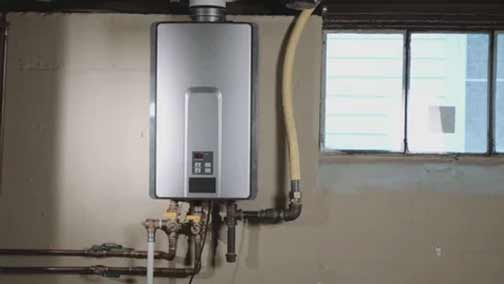
Tankless Water Heaters: Efficiency at the Forefront of Home Technology

tankless water heaters

Among the rapidly evolving trends in home technology, tankless water heaters are a game-altering innovation, a new standard for water heating in homes. While traditional water heaters decline in popularity against more efficient alternatives, tankless systems take center stage with unparalleled efficiency and ease of use. Here we aim to provide an extensive description of how tankless water heaters revolutionize the landscape of home technology by highlighting their efficiency, benefits, and future directions.

Learning About Tankless Water Heaters: A Technology Marvel

Tankless water heaters or on-demand water heaters heat water only when needed, unlike traditional systems that have reservoirs and continuously heat gallons of water. This simple difference in operation is why tankless water heaters are a marvel of modern technology. Without the storage tank, the systems use significantly less energy, resulting in lower utility bills and an eco-friendlier home.

Efficiency in the Core: Why On-Demand Water Heaters Make the Most of Energy Usage

The efficiency of tankless water heaters is largely attributed to their ability to provide hot water instantaneously. Traditional water heaters maintain a reservoir of hot water, which requires constant energy to keep heated. In contrast, tankless systems activate only when a hot water tap is turned on, heating the water as it flows through the unit. This on-demand heating mechanism ensures that energy is used only when necessary, making tankless water heaters up to 30% more efficient than conventional models.

Economic Benefits: Saving Money with On-Demand Water Heaters

The economic benefit of tankless water heaters is quite possibly the most compelling reason why numerous homeowners are adopting them. The price tag of a tankless system is in the beginning slightly higher than a standard heater, but saving money in the long run is colossal. Lower energy consumption translates to lower utility bills each month, and the lifespan of on-demand water heaters tends to be longer, lowering replacement costs and frequency. Governments also offer incentives and rebates for residential upgrades that save energy, partially recouping the initial cost.

Space-Saving Design: Getting More from Home Space with Tankless Systems

Another advantage of tankless on-demand water heaters is that they are space-saving in nature. As they don’t need the huge storage tank, the system can be placed in smaller spaces, freeing up valuable square footage space in the house. It is particularly helpful for urban dwellers and for those who enjoy less housing space, allowing them to enjoy more interior design and home planning flexibility.

Environmental Impact: Encouraging Sustainability with Tankless Technology

As people become more aware of their global surroundings and the environment, homeowners are seeking ways to reduce their carbon footprint. On-demand water heaters help them achieve this goal by reducing energy consumption and greenhouse gas emissions. Being more efficient with energy and requiring less resource input to operate and maintain, tankless water heaters are a green option for those caring about the earth.

Installation and Maintenance: Ensuring Optimal Performance

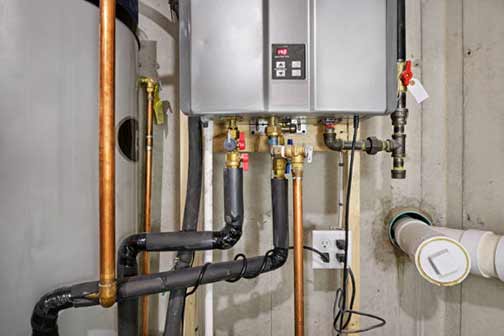
Proper installation and regular maintenance are crucial to ensuring the optimal performance of tankless water heaters. Professional tankless water heater installation is recommended to ensure the system is configured correctly and safely. Maintenance typically involves periodic cleaning to prevent mineral buildup and ensure efficient operation. Regular inspections can also help identify potential issues before they become major problems, extending the lifespan of the unit.

Comparative Analysis: Tankless Water Heaters vs. Traditional Systems

In comparing tankless water heaters with traditional systems, several inherent differences can be observed. Efficiency is higher with tankless systems because they offer demand-based service. However, traditional heaters might be more appropriate for homes where there are intensive simultaneous hot water demands, since they supply hot water to multiple outlets at the same time. The choice between the two typically depends on household size, habits of using hot water, and finances.

a professionally installed on-demand water heater

The tankless demand feature delivers hot water where and when it is needed, without the lag that takes place in conventional systems

Future Trends: The Evolving Face of Home Water Heating

The future of domestic hot water heating will be dictated by smart technologies and higher efficiency. Tankless water heaters will likely be integrated into smart home systems, which can be operated and monitored from a distance. Emerging material and design technologies can potentially make them even more efficient and durable. With advances in technology, tankless systems will likely become less expensive, and their distribution will increase to the masses.

Technological Improvements: Increasing Tankless Water Heater Efficiency

Recent advances in technology have also enhanced the efficiency of tankless water heaters. Such technologies as modulating burners allow for control of the heating process with high precision, altering the size of the flame in proportion to the flow rate of the water and degree of temperature required. This saves energy wastage, in addition to effective heating of the water to desired temperature. Additionally, advancements in heat exchanger designs have maximized heat transfer, reducing energy loss and maximizing overall system efficiency.

User Experience: Convenience of Tankless Water Heaters

Tankless water heaters provide the user with an experience of convenience that conventional systems cannot offer. Because they can provide hot water at any given time, homeowners will not worry about their home experiencing the lack of hot water in the middle of showering or the laundry cycle. The tankless demand feature delivers hot water where and when it is needed, without the lag that takes place in conventional systems. Such convenience is particularly useful for households with more than two people or households demanding high volumes of hot water.

Market Trends: The Growing Popularity of On-Demand Water Heaters

Demand for on-demand water heaters has been steadily rising with more people becoming aware of their benefits. According to industry reports, tankless system sales should continue to increase as energy costs go up and going green becomes a priority. Industry manufacturers are fulfilling the demand by offering more models and variations, from small residential applications to more significant residential designs. As the market expands, consumers can expect more variety and improved pricing, which makes on-demand water heaters an attractive choice for more homeowners.

Challenges and Considerations: Switching to Tankless Systems

While tankless water heaters offer numerous benefits, there are also challenges and considerations to keep in mind when making the switch. The initial cost of installation can be higher than traditional systems, and some homes may require upgrades to their electrical or gas infrastructure to accommodate a tankless unit. Additionally, proper sizing is crucial to ensure that the system can meet the household’s hot water needs. Homeowners should speak with a plumber who specializes in water heater installation to assess their specific requirements and determine the most suitable tankless system for their home.

Global Impact: On-Demand Water Heaters and Energy Conservation

The application of tankless water heaters contributes positively to global energy conservation. By saving energy and greenhouse gas emissions, tankless systems also contribute to a better tomorrow. As more and more houses go tankless, the cumulative effect can lead to gigantic amounts of energy and carbon emission savings, contributing towards global efforts to fight climate change. On-demand water heaters are therefore not only an intelligent choice for individual homeowners but also an earth-friendly choice.

Conclusion: Embracing the Efficiency of Tankless Water Heaters

Tankless water heaters are a household technology revolution, promising efficiency, economic efficiencies, and environmental friendliness. As more homeowners learn about the advantages of these devices, on-demand water heaters will become a standard appliance in modern homes. Embracing this technology, households can make hot water available with ease while contributing towards a greener future.

Why Tankless Water Heaters Are a Worthy Investment: Six Benefits to Consider

Why Tankless Water Heaters Are a Worthy Investment

The Evolution of Water Heating Systems: From Tanks to Tankless

Water heating systems have undergone significant advancements over the decades, reflecting the growing demand for efficiency and sustainability in modern households. Traditional tank water heaters have long dominated the market, primarily due to their simplicity and reliability. However, they come with limitations such as energy inefficiency and the constant need to maintain a large volume of heated water, even when not in use. As technology advanced, the introduction of tankless water heaters marked a significant shift in how we think about water heating. These systems represent the evolution of water heating technology, offering innovative solutions that cater to the modern consumer’s needs for efficiency, space-saving, and environmental consciousness.

Understanding Tankless Water Heaters: A Revolutionary Approach

Tankless water heaters, also known as on-demand water heaters, operate without the need for a storage tank. Instead, they heat water directly as it flows through the unit, providing hot water only when needed. This innovative approach to water heating offers numerous benefits, making it an attractive option for homeowners and businesses alike. By eliminating the need for a storage tank, these systems provide a more compact and energy-efficient solution. Understanding the mechanics and benefits of tankless water heaters is crucial for appreciating why they are becoming a preferred choice for many consumers seeking efficiency and reliability in their water heating systems.

Energy Efficiency: A Key Benefit of Tankless Water Heaters

One of the most compelling reasons to invest in a tankless water heater installation is its superior energy efficiency. Unlike traditional water heaters that continuously heat and reheat water to maintain a constant temperature, tankless systems only heat water when required. This on-demand operation significantly reduces energy consumption, leading to lower utility bills and a smaller carbon footprint. The U.S. Department of Energy estimates that tankless water heaters can be 24% to 34% more energy-efficient than conventional storage tank heaters for homes that use 41 gallons or less of hot water daily. This efficiency not only translates to cost savings but also contributes to environmental sustainability by reducing energy waste and greenhouse gas emissions.

Space-Saving Design: Maximizing Your Living Space

Another notable advantage of tankless water heaters is their compact design. Traditional water heaters with large storage tanks can take up considerable space, often requiring a dedicated utility room or closet. In contrast, tankless units are much smaller and can be installed in various locations, such as on a wall or in a small cabinet, freeing up valuable floor space. This space-saving feature is particularly beneficial for smaller homes or apartments where maximizing living space is crucial. By opting for a tankless water heater, homeowners can make better use of their available space, enhancing the functionality and aesthetics of their living environment.

Longevity and Durability: A Long-Term Investment

Investing in a tankless water heater also means benefiting from its impressive longevity and durability. On average, tankless water heaters have a lifespan of 20 years or more, compared to the 10 to 15 years typical of traditional tank heaters. This extended lifespan translates into fewer replacements over time, offering a better return on investment. Additionally, tankless systems are less prone to the corrosion and sediment buildup that can plague tank-based heaters, resulting in fewer maintenance issues and repairs. The durability of tankless water heaters makes them a smart choice for those seeking a reliable and long-lasting solution for their hot water needs.

tankless water heaters provide endless hot water
For households with high hot water demands, the ability of tankless water heaters to provide a consistent and endless supply of hot water is a significant advantage.

Consistent and Endless Hot Water Supply: Meeting High Demand

For households with high hot water demands, the ability of tankless water heaters to provide a consistent and endless supply of hot water is a significant advantage. Traditional tank heaters can run out of hot water during peak usage times, leading to inconvenient waits for the tank to refill and reheat. In contrast, tankless systems heat water on demand, ensuring a continuous flow of hot water for showers, dishwashing, laundry, and more, without the risk of running out. This feature is particularly beneficial for larger families or homes with multiple bathrooms, where hot water demand can be substantial.

Environmental Impact: A Greener Choice for Sustainability

In addition to their energy efficiency, tankless water heaters contribute to environmental sustainability by reducing greenhouse gas emissions. Their on-demand operation minimizes wasted energy, and many models are designed to be compatible with renewable energy sources such as solar power. By choosing a tankless water heater, homeowners can play a role in reducing their environmental impact and promoting a more sustainable future. The adoption of tankless technology aligns with global efforts to reduce carbon footprints and conserve energy, making it a responsible choice for eco-conscious consumers.

Financial Incentives and Rebates: Making the Switch Affordable

Many governments and utility companies offer financial incentives and rebates to encourage the adoption of energy-efficient appliances, including tankless water heaters. These incentives can significantly offset the initial cost of purchasing and installing a tankless system, making it a more affordable option for many homeowners. By taking advantage of these programs, consumers can enjoy the benefits of a tankless water heater while also reducing their upfront investment. The availability of financial incentives makes it easier for homeowners to transition to more efficient and sustainable water heating solutions.

Considerations Before Making the Switch: Evaluating Your Needs

While the benefits of tankless water heaters are clear, there are several factors to consider before making the switch. The initial cost of a tankless system can be higher than that of a traditional tank heater, although this is often offset by long-term energy savings and rebates. Additionally, the installation of a tankless water heater may require upgrades to the home’s electrical or gas systems, depending on the model chosen. It’s also important to consider the hot water needs of your household. While tankless systems are ideal for smaller homes or those with moderate hot water demands, larger households may require multiple units to ensure an adequate supply of hot water during peak usage times. Speaking with a professional water heater installer can help determine the best solution for your specific needs.

Conclusion: A Smart Investment for the Future

In conclusion, tankless water heaters offer a range of compelling benefits that make them a worthy investment for many homeowners. Their energy efficiency, space-saving design, durability, and ability to provide endless hot water make them an attractive alternative to traditional tank heaters. By considering the advantages and potential challenges, homeowners can make an informed decision about whether a tankless water heater is the right choice for their needs. As technology continues to advance and the focus on sustainability grows, on-demand water heaters represent a smart investment for the future, offering both immediate and long-term benefits. Whether you’re looking to reduce energy costs, save space, or contribute to a greener environment, a tankless water heater is a valuable addition to any home.