Understanding the Basics of Rough-In Plumbing
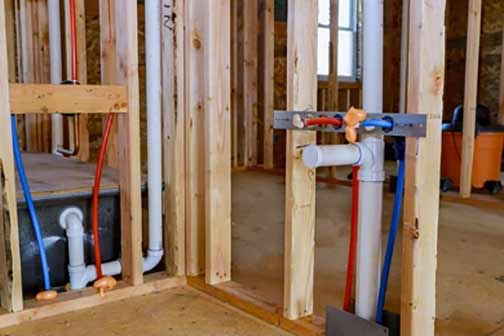
Rough-in plumbing is a crucial phase in the construction or renovation of a home, where the plumbing system is installed within the walls and floors, but not yet connected to fixtures. This stage involves laying out the pipes and drains that will eventually service the sinks, toilets, showers, and other water-using appliances. Understanding this process is essential for homeowners who wish to ensure that their plumbing systems are installed correctly and efficiently.
During the rough-in plumbing phase, the focus is on the infrastructure that supports water supply and waste management. The term “rough-in” refers to the preliminary phase where pipes are positioned before the installation of visible fixtures. This stage is vital because it establishes the backbone of the plumbing system, ensuring that water can flow to and from the house without obstruction. Homeowners need to understand the significance of this phase, as it dictates the efficiency and functionality of the plumbing system.
The Importance of Rough-In Plumbing in Home Construction
Rough-in plumbing sets the foundation for the entire plumbing system of a house. It is during this phase that the positioning of pipes and drains is determined, which can significantly affect the functionality and efficiency of the plumbing system. Properly executed rough-in plumbing ensures that water flows smoothly and waste is efficiently removed from the home. It also minimizes the risk of leaks and other plumbing issues that can lead to costly repairs down the line.
Moreover, rough-in plumbing plays a critical role in the structural integrity and safety of the home. A well-planned rough-in phase can prevent future complications such as water damage, mold growth, and structural deterioration. By ensuring that pipes are correctly installed and aligned, homeowners can avoid disruptions in water supply and drainage, contributing to the overall comfort and safety of the living environment. This phase also involves compliance with building codes and regulations, which is essential for avoiding legal issues and ensuring the home’s safety standards are met.
Key Components of Rough-In Plumbing
Several components are involved in rough-in plumbing, each playing a vital role in the system’s overall functionality:
- Water Supply Lines: These pipes deliver fresh water to various fixtures throughout the home. They must be correctly sized and positioned to ensure consistent water pressure and flow. The selection of materials for these pipes is crucial, as it affects durability and water quality. Copper, PVC, and PEX are common choices, each with its own advantages and limitations.
- Drainage Pipes: Also known as waste pipes, these are responsible for carrying wastewater away from the home. Proper slope and alignment are crucial to prevent blockages and ensure efficient drainage. These pipes must be designed to handle varying volumes of water and waste, requiring careful planning to prevent overflow and backups.
- Vent Pipes: These pipes allow air to enter the plumbing system, ensuring that water flows smoothly through the drains. They also prevent sewer gases from entering the home. Vent pipes are essential for maintaining air pressure in the drainage system, allowing gravity to facilitate water movement efficiently.
- Fixture Locations: The rough-in process involves marking the locations where fixtures such as sinks, toilets, and showers will be installed, ensuring that the plumbing system is tailored to meet the needs of the household. Proper fixture placement enhances convenience and accessibility, contributing to a functional and user-friendly living space.
Planning and Designing Rough-In Plumbing
Careful planning and design are critical to the success of rough-in plumbing. Homeowners should work closely with their plumbers to ensure that the plumbing layout meets their needs and complies with local building codes. This involves considering factors such as the number of bathrooms, the types of fixtures to be installed, and the overall water usage of the household. Proper planning can help avoid costly changes and rework later in the construction process.
Effective planning also involves anticipating future needs and potential changes in the household. For instance, homeowners might consider the possibility of expanding the family or adding new appliances that require plumbing connections. By incorporating these considerations into the initial design, homeowners can save time and money on future modifications. Additionally, planning should account for energy efficiency and sustainability, integrating systems that minimize water usage and reduce environmental impact.

Common Challenges in Rough-In Plumbing
While rough-in plumbing is a vital part of home construction, it can also present several challenges. Some common issues include:
- Incorrect Pipe Sizing: Using pipes that are too small can lead to low water pressure, while oversized pipes can result in inefficient water flow and increased costs. Proper sizing requires accurate calculations based on the expected water demand and fixture specifications.
- Poor Drainage Design: Improperly sloped or aligned drainage pipes can cause blockages and slow drainage, leading to potential water damage and costly repairs. Effective drainage design involves understanding the principles of gravity and fluid dynamics to ensure smooth water flow.
- Ventilation Issues: Insufficient venting can cause slow drainage and unpleasant odors, as well as potential health hazards from sewer gases. Proper venting requires careful placement and sizing to maintain air balance and prevent negative pressure in the plumbing system.
- Non-Compliance with Building Codes: Failing to adhere to local building codes can result in fines, delays, and the need to redo work to meet legal requirements. Compliance ensures safety and reliability, protecting homeowners from legal and financial repercussions.
Tips for Successful Rough-In Plumbing
To ensure a successful rough-in plumbing process, homeowners should consider the following tips:
- Hire a Qualified Plumber: A skilled and experienced plumber can help ensure that the plumbing system is designed and installed correctly, minimizing the risk of future issues. Plumbers bring expertise in navigating complex plumbing challenges and adhering to industry standards.
- Understand Local Building Codes: Familiarizing yourself with local building codes can help ensure that the plumbing system complies with legal requirements and avoids costly fines and rework. Homeowners should stay informed about updates and changes in regulations to maintain compliance.
- Plan for Future Needs: Consider potential future changes or additions to the home, such as additional bathrooms or appliances, and incorporate them into the plumbing design. This foresight can prevent disruptions and costly modifications later on.
- Conduct Thorough Inspections: Regular inspections throughout the rough-in plumbing process can help identify and address potential issues before they become major problems. Inspections ensure quality control and adherence to design specifications, enhancing the system’s reliability.
The Role of Technology in Modern Rough-In Plumbing
Advancements in technology have significantly impacted the rough-in plumbing process, making it more efficient and accurate. Tools such as computer-aided design (CAD) software allow contractors to create detailed plumbing layouts that minimize errors and optimize system performance. Additionally, modern materials and techniques, such as flexible PEX piping and trenchless technology, have made it easier to install and maintain plumbing systems.
Technology also facilitates better communication and collaboration between homeowners and contractors. Digital tools enable real-time updates and modifications to plumbing plans, ensuring that all parties are aligned on project goals and timelines. Furthermore, smart plumbing systems are becoming increasingly popular, offering features such as remote monitoring and leak detection, which enhance convenience and safety for homeowners.
Conclusion: Empowering Homeowners with Knowledge
Understanding rough-in plumbing is essential for homeowners who want to ensure that their plumbing systems are installed correctly and efficiently. By familiarizing themselves with the basics of rough-in plumbing, homeowners can make informed decisions during the construction or renovation process, minimizing the risk of costly repairs and ensuring the long-term functionality of their plumbing systems. With the right knowledge and planning, homeowners can confidently navigate the complexities of rough-in plumbing and enjoy a safe, reliable, and efficient plumbing system in their homes.
Empowerment through knowledge allows homeowners to take an active role in the construction and maintenance of their homes. By understanding the intricacies of rough-in plumbing, homeowners can effectively communicate with contractors, advocate for their needs, and ensure that their homes are built to their specifications. This proactive approach not only enhances the home’s value and functionality but also contributes to a sense of ownership and satisfaction.