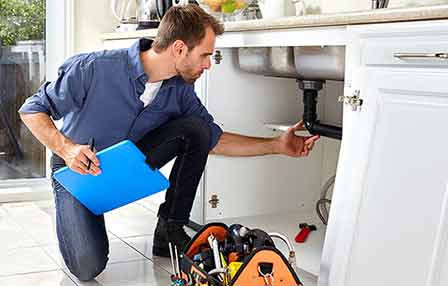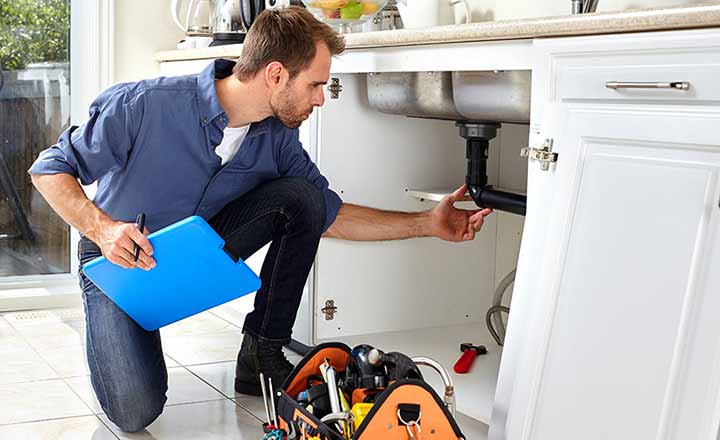
If you are in the market for a new home in Chicago, it is crucial to thoroughly inspect every aspect of the property before making a purchase. While the condition of the roof, foundation, and electrical system are commonly checked, many homebuyers overlook the importance of a plumbing inspection. Plumbing problems can be both costly and disruptive, so ensuring that the plumbing system is in good condition should be a top priority. Here we will discuss the importance of a plumbing inspection when home shopping in Chicago and provide valuable insights on what to expect during the inspection process.
The Significance of a Plumbing Inspection
When considering the overall condition of a potential home, it is essential to pay attention to its plumbing system. Undetected plumbing issues can lead to extensive water damage, mold growth, and expensive repairs. By conducting a plumbing inspection, homebuyers can identify potential concerns and negotiate repairs or adjustments with the seller before finalizing the purchase. A thorough plumbing inspection will provide peace of mind and help avoid unforeseen expenses in the future.
Common Plumbing Problems in Chicago Homes
Chicago’s unique climate and age of homes can contribute to various plumbing issues. Being aware of these common problems will allow homebuyers to be more prepared during the inspection process:
Galvanized Pipe Issues: Many older homes in Chicago still have galvanized pipes. Over time, these pipes can deteriorate, leading to reduced water pressure and rusty water.
Sewer Line Concerns: Tree roots and shifting soil can damage sewer lines, resulting in blockages and sewage backups.
Leaking Faucets and Fixtures: Faulty faucets, toilets, and other fixtures can waste water and increase utility bills.
Water Heater Problems: Aging water heaters may have sediment buildup, leaks, or insufficient hot water capacity.
Poor Drainage: Improperly sloped or clogged drains can cause water pooling and potential flooding.
By understanding these common plumbing problems, homebuyers can better assess the potential risks and determine if further investigation is necessary during the inspection.
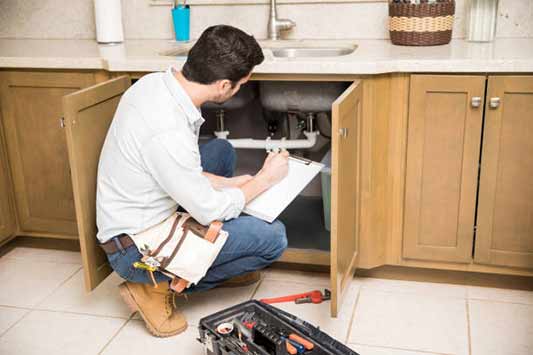
The inspector will inspect all drains, including sinks, bathtubs, and toilets, to check for any blockages or slow drains.
What to Expect During a Plumbing Inspection
During a plumbing inspection, a qualified professional plumber in Chicago will thoroughly evaluate the entire plumbing system of the property. Here’s what you can expect:
Comprehensive Analysis of Supply Lines and Pipes
The inspector will analyze the condition of the supply lines, pipes, and connections to ensure proper water flow and identify any potential leaks. They will inspect both visible and accessible plumbing components, including exposed pipes, under-sink plumbing, and main water shut-off valves. This assessment will determine if any old pipes need replacing or if repairs are necessary.
Assessment of Drainage Systems
The inspector will inspect all drains, including sinks, bathtubs, and toilets, to check for any blockages or slow drains. They will also assess the venting system to ensure proper airflow and prevent sewer gases from entering the property.
Water Pressure and Flow Check
An important part of the inspection involves assessing the water pressure and flow throughout the property. Inadequate water pressure or inconsistent flow can indicate underlying issues such as pipe corrosion or blockages.
Evaluation of Fixtures and Appliances
The inspector will examine all faucets, showers, toilets, and appliances, such as dishwashers and washing machines, for leaks, functionality, and potential water damage. They will also ensure that each fixture is properly connected to the plumbing system.
Water Heater Inspection
The inspector will assess the condition of the water heater, checking for any signs of leakage, corrosion, or inadequate heating capacity. Additionally, they will verify if the water heater is up to code and installed correctly. In some cases the inspector will advise you to have your water heater tank replaced.
Check for Sump Pump Functionality
If the property has a basement, the inspector will inspect the sump pump to ensure it is in proper working order. A functioning sump pump is crucial for preventing basement flooding and water damage during heavy rains or snowmelt.
Evaluation of Outdoor Plumbing
If the property has an outdoor plumbing system, such as sprinklers or outdoor faucets, the inspector will assess their functionality and check for leaks or other issues that may affect the overall plumbing system.
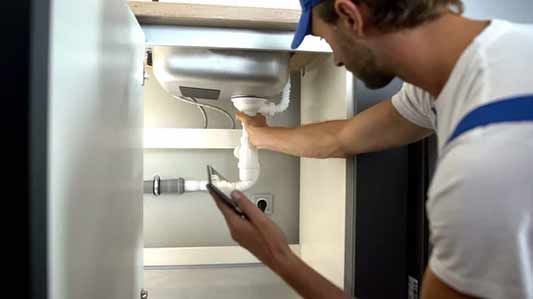
The inspector will examine all faucets, showers, toilets, and appliances, such as dishwashers and washing machines, for leaks, functionality, and potential water damage.
The Benefits of Hiring a Professional Plumbing Inspector
While some homebuyers may consider conducting a plumbing inspection themselves, hiring a professional plumbing inspector offers several distinct advantages:
Expertise and Experience
Professional plumbing inspectors have extensive knowledge and experience in identifying plumbing issues that may go unnoticed to the untrained eye. They are skilled in detecting hidden leaks, potential drainage problems, and other plumbing-related concerns.
Thorough and Objective Evaluation
Plumbing inspectors are trained to perform comprehensive evaluations of the entire plumbing system. They approach the inspection process objectively, ensuring that potential issues are properly identified and reported. Their unbiased assessments provide homebuyers with accurate information to make informed decisions.
Equipment and Technology
Professional plumbing inspectors utilize specialized equipment and advanced technologies such as cameras and leak detectors to thoroughly evaluate the plumbing system. These tools allow them to detect hidden water leaks behind walls or underground without causing unnecessary damage to the property.
Detailed Inspection Reports
Following the inspection, a professional plumbing inspector will provide a detailed report outlining their findings. This report serves as a valuable reference and negotiation tool for homebuyers, helping them address necessary repairs or negotiate adjustments with the seller.
In Conclusion
When home shopping in Chicago, it is crucial not to overlook the importance of a plumbing inspection. The plumbing system plays a significant role in the overall comfort and functionality of a home. By investing in a professional plumbing inspection, homebuyers can mitigate potential risks, negotiate repairs or adjustments, and ensure a smooth transition into their new property. Don’t let plumbing problems tarnish the excitement of buying a new home. Take the necessary steps to protect your investment and enjoy your new Chicago home without any unexpected plumbing surprises.