Making Sense of Why Your Water Bill Could be Substantially Too High
Receiving a water bill that is much greater than your average expenditure can be shocking and infuriating. Most home owners initially conclude that increased water charges or seasonal variations are to blame, but quite often the explanation may be in the house plumbing system. The plumbing issues are largely silent and insidious, quietly draining the water from your supply without obvious signs of damage or leaks. Knowing and recognizing the most common plumbing issues that lead to high water bills is essential to have a working home, conserve water, and avoid costly repairs down the road. Here we aim to talk thoroughly about the five most frequent plumbing problems that lead to high water bills, in a straightforward and friendly way with helpful tips to help you identify and solve these issues effectively.
Leaking Faucets and Toilets: The Silent Water Wasters
Leaky faucets and toilets are the most common and sneaky causes of mysteriously high water bills. Leaks are typically slow, subtle, and create little or no noticeable damage. Yet, over days, weeks, or even months, all of these little drips can add up to a true water waste, contributing to a significant increase in your home’s water consumption and, consequently, your bill. It might be only a few drops per minute dripping from a faucet, but when you calculate the amount in a month, it can lose hundreds of gallons of water. Similarly, an ever-running or periodically running toilet due to a leaky fill valve or flapper can consume lots of water without any visible symptom of malfunction.
Faucet and toilet leaks must be identified with a sharp eye. For faucets, look for constant dripping sounds or constant trickle even when the tap is shut off. For toilets, check for the sound of running water or simply do a dye test by dropping some food coloring into the tank and seeing if color shows in the bowl without flushing. Repairing these leaks early on not only saves water but also lowers your water bill greatly. Fixing faulty washers, flappers, or fill valves is typically an inexpensive and straightforward process that can prevent ongoing water loss. Regular inspection and maintenance are most important in catching these small problems early on before they become costly issues.
Burst Pipes and Concealed Leaks: Unexpected Water Losses
Burst pipes and concealed leaks are more serious plumbing problems that can cause sudden and sharp increases in water usage. These issues are usually concealed behind walls, beneath floors, or beneath the ground and as a result are difficult to detect without machinery or specialist scans. A pipe burst will release a lot of water in a very short time and cause water damage, mold, and an unexpected rise in your water bill. Hidden leaks may not be immediately noticeable but will sneakily drain your water supply by and by, inflating your bill without showing clear signs.
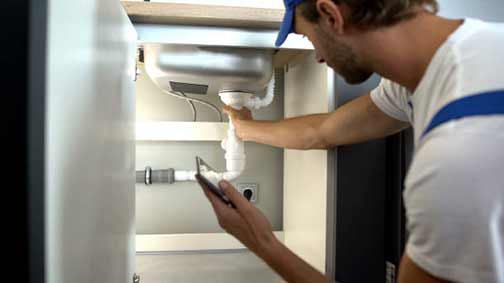
If you experience unexplained water spots on ceilings or walls, mold or mildew growth, or an unexpected increase in your water bill despite no modification in usage behavior, then it is time to look for hidden leaks. Professional plumbing inspections normally involve employing specialized tools such as moisture meters, sound-producing leak detectors, or thermal imaging cameras. Early detection and repair of burst pipes and hidden leaks are crucial to prevent structural damage and regulate your water bills. Their upkeep and prompt intervention in any strange signs can assist you in staying clear of costly future repairs and exorbitant water bills.
Faulty or Outdated Fixtures and Appliances
A majority of households use appliances and fixtures that, over time, become inefficient or get defective, leading to excessive water usage. Washing machines, dishwashers, and water heaters that are older are not as water-efficient as new ones, which are energy efficient. Additionally, fixtures like showerheads and faucets that are not water-efficient can contribute to a significant amount of unnecessary water wastage. Mineral buildup and wear-and-tear over time can also cause appliances to be less efficient and use more water than necessary.
New, water-efficient appliances and fixtures can be substituted for old ones, and this can have a tremendous impact on your water bill. Look for the EPA’s WaterSense label, indicating that they have passed strict water efficiency guidelines. Regular maintenance on appliances, such as cleaning filters and checking for leaks, guarantees they are operating at peak levels. Sometimes a minor change—a new showerhead, for instance, that swaps out an old inefficient one for a low-flow model—can reduce water usage substantially without any compromise in comfort or performance. Newer, water-efficient appliances not only save water but can also reduce energy bills, for a greener home overall.
Faulty or Clogged Pipes and Drains
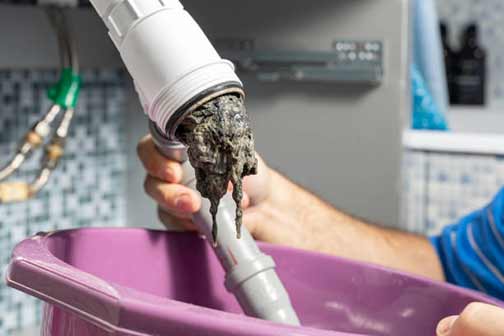
Faulty or clogged drains and pipes are common issues that can lead to backups, slow draining, and leaking water, all of which result in waste and higher bills. Clogs are caused by hair, grease, soap scum, or debris that has built up inside the pipes, blocking water flow. However, they may also be a sign of more serious conditions such as pipe corrosion, root invasion by surrounding trees, or pipe cracks. Faulty or outdated pipes, especially older cast iron or galvanized steel pipes, will tend to leak, crack, and corrode, silently draining water and inflating your bill.
Free and functioning drainage systems are necessary to prevent wasteful water. Periodic inspection of exposed drains and pipes, avoiding pouring grease or non-flushables down the drain, and scheduling professional pipe inspections are measures that can be taken to detect problems early. When repairs do become necessary, replacing worn-out or damaged pipes with new, durable materials like PVC or PEX will greatly improve efficiency and cut ongoing water loss. Keeping your drainage system in good working order keeps water flowing freely through your household plumbing, reducing waste and helping to govern your water bill.
The Importance of Frequent Plumbing Maintenance
Along with fixing single problems, periodic plumbing maintenance is a crucial step in preventing enormous water bills and maintaining your plumbing system efficient in the long term. Periodic checks, timely repairs, and preventive measures can help assure that small faults are identified before they turn into gigantic problems. A few easy steps such as leak testing, aerator and showerhead cleaning, and water pressure checks can be of great help in the context of water conservation.
Employing seasoned plumbers to conduct regular inspections guarantees that problems are discovered in their earlier stages, most often by employing advanced diagnostic tools. Adding water conservation habits—such as taking short showers, washing dishes and washing machines only when they are full, and fixing leaks immediately—can mean huge savings within months and years. A preventive plumbing maintenance strategy not only is cost-effective but also increases your plumbing system’s life span, making it efficient and reliable in the long term. Regular maintenance is an investment in your home’s longevity and your purse.
More Tips for Lowering Your Water Bill
Apart from solving certain plumbing problems, homeowners can take several water-saving practices that lead to lower bills. Replacing water-wasting fixtures like old showerheads, faucets, and toilets with water-efficient ones like low-flow showerheads, faucet aerators, and dual-flush toilets can save water without compromising comfort levels. Being conscious of the household water usage—e.g., switching off taps when brushing teeth, repairing leaks right away, and using dishwashers and washing machines only when loaded—can translate to significant amount of savings over time. Also, insulating the pipes and sealing any leak visible to the eye right away can avoid wastage and lower your monthly bills even more.
All in all, these small adjustments to your way of living, along with upkeep and repair when necessary, comprise an all-around approach to reducing your home’s water consumption. Not only will you be saving money, but it will also help save the environment by limiting unnecessary water use. Be vigilant and ahead of time in doing so, as the premise is to have your plumbing system up and functioning perfectly and effectively at all times.
Conclusion: Taking Action to Reduce Your Water Bill
Skyrocketing water bills are a source of ongoing frustration, but knowing the most prevalent plumbing problems that lead to wastage of water makes home owners proactive. From minor leaks in faucets and toilets to more severe problems like burst pipes and leaking appliances, every problem requires serious attention in order to prevent wastage and save dollars. Regular maintenance, immediate repairing, and installing water-saving devices are pragmatic measures of managing your home’s water consumption.
Keeping proactive and watchful allows you to identify and fix plumbing issues at an early point, making your home water-efficient and your bills manageable. Sometimes the solution is straightforward, but the payoff can be great—savings on your pocket, the conservation of precious resources, and peace of mind. If you’re unsure about how to address a plumbing issue, a professional plumber fixing and identifying problems can bring a timely resolution. Lastly, by accomplishing these things, your home will remain a cozy, environmentally-friendly, and inexpensive refuge for you and your family.