Tag Archives: drain trouble

Subtle Symptoms of Drain Trouble Every Homeowner Should Know

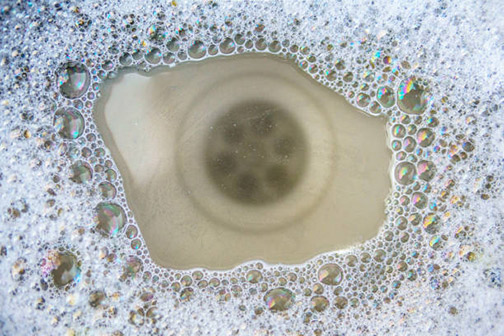
a clogged drain

Your home’s drainage system is always working. You don’t see or hear it most of the time. However, you can tell that the system is functioning because every time you use the shower, flush the toilet, or wash something in the sink, the resulting dirty water magically disappears.

According to Richey Property Management, this quality of drainage systems is the best thing about them. By embedding drainage pipes in walls and underground, we preserve the aesthetic quality of homes and minimize the risk that people will come into contact with the unsanitary contents inside those pipes.

But this design has some significant flaws. It is harder to access buried pipes to check their physical condition for maintenance and repair. As a result, there may be major problems in your drainpipes or sewer lines, and you would not even know it.

These problems can go on for a long time until they ultimately escalate into bigger issues that damage your plumbing and building or even endanger your health. This is the major reason why a lot of drainage problems in homes result in plumbing emergencies.

But you can stop this from happening in your house. Most drainage problems in the home leave a subtle sign. By paying attention to these innocuous signals, you can intercept the issues in your drainage before they explode into plumbing emergencies in your building.

7 subtle signs of drainage problems in your home

  1. Multiple slow drains

If more than one fixture drain in your home is slow, it is often a ripple effect from clogs downstream of where those fixture drains empty into the main drainage pipe. Water will pool in the drainpipe due to the blocked section, causing the drains in your home to be slow.

  1. Recurring drain clogs

If a fixture drain appears to be chronically clogged and nothing you do seems to have an impact on the problem, the root cause of the issue can often be found in your main drainage pipes. Clogs in your main drainage pipes may be responsible for the problems you see in that fixture’s drain.

  1. Gurgling sounds

Gurgling and bubbling sounds from your drains, especially the toilet, are a sign that you have trapped air inside your drainpipes. This problem is due to a clogged pipe or blocked vent preventing the trapped air from exiting the system via the normal route into the atmosphere.

  1. Sewage odors in your home

This is also caused by trapped sewer gases in your drainpipes. Pressure imbalances within the drainage system force trapped gases to flow backward until they emerge through your toilet. This is the cause of the foul smells inside your home.

  1. Overflowing drains

If this problem is caused by blockages in the main drainage system, water will back up from the lowest drains on the ground floor (showers, floor drains, and toilets). However, if only one drain is overflowing, the blockage may be found inside that fixture’s drainage pipe.

  1. Soggy yard or lush green patches

If your main sewer line is clogged and leaking wastewater into the surrounding soil, you may find that one section of your yard is always wet. Also, the grass in that area will be greener than the rest of the plants in your yard.

  1. Pest infestation

If it is also leaking sewage into the soil, a clogged sewer line will attract pests to your home if it is also leaking sewage into the surrounding soil. If you are suddenly seeing a lot of mosquitoes, roaches, centipedes, and rodents in your yard or fruit flies in your kitchen, you may have a drain problem.

What to do about your drain problems

If you have any of these problems in your home, here is what you can do:

  • Inspect your drains: A sewer camera inspection will help you uncover the problem inside your drainpipes, as well as the location and extent of the issue. Sewer camera inspections allow for accurate diagnosis of drainage issues. By providing the geographical coordinates of identified problems, they ensure targeted repairs are possible.
  • Get professional drain cleaning: Professional drain cleaning is a method used by professional plumbers to clear debris out of drainage lines. The two most used methods are hydro jetting and sewer rodding. The right option for your drainage system depends on the health and age of your pipes and the blockage in the system.
  • Preventive drain maintenance: This is the practice of not waiting for drainage problems before performing drain maintenance. Preventive drain maintenance plans for inspecting and cleaning the pipes on a schedule instead of reacting to drainage emergencies in your home. This strategy lets you detect and fix drainage problems early.

Finally, you need a competent and reliable plumber to oversee the maintenance of your drainage system. Your preferred plumber should have a deep understanding of the common drainage issues in your area. They should have a track record of working on drainage systems that are similar to yours.
How to Know When Your Home’s Drains Are in Trouble

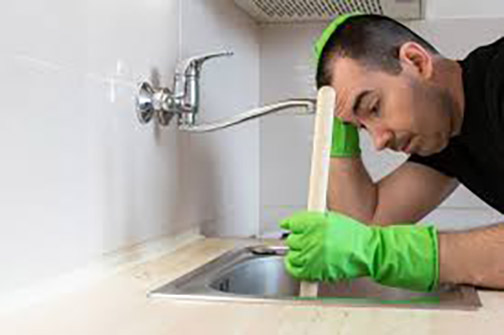
a man that is having trouble with his drains in chicago

Because drainage pipes are the least seen parts of your home’s plumbing systems, they are also the section of the plumbing where hidden problems are most likely to happen. These problems can range from small clogs/blockages to major issues that can cause your sewer line to back up, notes Keyrenter Northwest Chicago.

What are the signs that your drains are in trouble, and what should you do if you find any of these signs in your home?

8 signs of drain troubles in your home

  1. Slow drains

Depending on how this problem presents itself, you may be dealing with one or several blocked drains in your home. If multiple drains in the home are slow at the same time, you may have a blockage inside your sewer line. If only one drain is slow, maybe only the drain pipe for that fixture is clogged.

  1. Recurring drain clogs

If a fixture drain clogs repeatedly, even after you have tried to solve the problem, you may be looking at deeper issues. The clog may be far inside your drainage pipes, where the drain-cleaning solutions you applied are unable to reach.

  1. Strange sounds from your drains

If you hear gurgling or bubbling sounds from your drains, especially when you flush the toilet or run the washing machine, it is because pockets of air (sewer gases) are trapped inside the pipes. This only happens when the clogs inside your drains prevent the free flow of air.

  1. Sewage odors in your home

The smell of raw sewage in your home or around your yard could be due to two things. Trapped sewer gases inside the drainpipes are escaping into the house, or a broken section of sewer pipe is releasing raw sewage into your yard.

  1. Backed-up drains

If water is backing up inside a single fixture in your home (maybe the bathtub, shower, or toilet), it is safe to assume that the problem is with the drainage pipe for that specific fixture. However, if this problem is happening to multiple fixtures at once, you certainly have a blocked sewer line.

  1. Wet or lush green spots in the yard

This is a sign that an underground drainpipe or your sewer line is leaking and discharging wastewater into the soil. This is the reason for the perpetually soggy spot in your yard and the patch of grass that is greener than the rest of the lawn.

  1. Pest infestation

If fruit flies are invading your kitchen, the kitchen drain may be full of debris. If you’re suddenly seeing roaches, rats, raccoons, centipedes, etc. in your yard, you may have a broken sewer line that is providing food and water to these pests.

  1. Mold and mildew

If you smell mold inside your home – a musty odor in the dark, inaccessible corners of the house – you may have undetected drain issues. Slow drains create damp conditions that promote the growth of mold and mildew in parts of your home.

How to fix the drain troubles in your home

The first step is to identify the type of problems in your drainpipes, determine the location of those issues, and identify the materials blocking the pipes. This information will help you make an informed decision on the best method for cleaning your drainage pipes.

Here are the steps to solve your drain problems:

  1. Conduct a sewer camera inspection

A sewer camera inspection is the most effective method for diagnosing drainage problems. It uses a waterproof camera that is inserted into the drain line and maneuvered through the pipes to the location of the clog. While doing this, the camera sends a live feed of the inside of the pipes to an above-ground screen for analysis.

  1. Get professional drain-cleaning

This drain-cleaning method allows your plumber to reach deep inside your drains to directly remove clogs. Professional drain cleaning methods, such as sewer rodding and hydro jetting, are more effective than chemical drain cleaners, which don’t really remove clogs from your drainage system.

  1. Preventive drain maintenance

This ensures that after removing clogs and blockages inside your drainpipes, the problems don’t recur. They include the following steps:

  • Installing drain strainers on sinks and shower drains

  • Not dumping fats, oils, and grease, as well as starchy foods, fibrous veggies, eggshells, and coffee grounds into your drains

  • Ensuring that only toilet paper, human waste, and water go into your toilet

  • Using enzymatic drain cleaners in place of chemical drain cleaners

Lastly, have a professional Chicago plumber inspect your entire drainage system once a year or every two years. This small step can save you thousands of dollars and a lot of emotional stress. A detailed plumbing inspection will reveal problems you didn’t know existed in your drains, giving you the chance to solve them before they cause plumbing emergencies in your home.