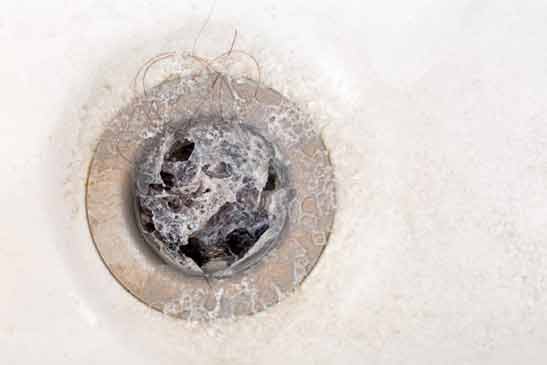
In every household, the plumbing system is what keeps daily routines intact, ranging from morning showering to doing the dishes after dinner. Yet, one of the typical issues that can disrupt these routines is a clogged drain. Being aware of the causes and solutions of drain clog is not just important for homeowners but also for anyone who wants to have a well-functioning plumbing system. This article discusses the most frequent causes of clogged drains and offers effective preventive measures. Knowing how your plumbing system operates, you can take preventive measures ahead of time and prevent the inconvenience of clogged pipes.
Common Causes of Drain Clogs: Identifying the Culprits
Clogs in drains can be caused by a number of factors, each contributing to the clog in unique ways. Knowing these causes is step one to preventing clogs and ensuring an effective plumbing system. Know the reasons for clogs to be able to provide specific solutions that homeowners can implement and prevent repetitive problems.
Hair Congestion: Hair is one of the most common culprits, especially around bathroom drains. With soap and other detritus, hair will bond together to form hard clogs. As the sticky mixture clings to the walls of the pipe, this gummy substance slowly tightens the pipe passage and restricts water flow.
Soap Scum Build-up: Soap, particularly bar soap, causes a build-up in the form of a residue known as soap scum. This will eventually become blocked. Soap scum tends to combine with other impurities in the water to create a sticky residue that coats pipes and constricts them.
Grease and Oil: Grease and cooking oil in kitchen sinks will solidify and stick to pipes, causing troublesome clogs. These oils thicken as they cool, creating heavy residues that obstruct water flow and trap food particles.
Food Particles: Even with a garbage disposal, certain food particles like coffee grounds and eggshells can create clogs. They could become trapped in the pipes, especially if not fully ground, and contribute to the junk accumulation.
Mineral Buildup: Hard water contains minerals that build up over time, reducing the flow of water and creating clogs. The deposits of minerals, known as scale, can build up on the interior pipe surfaces, reducing the pipes’ ability to carry water with time.
Foreign Objects: Foreign objects such as toys, accessories, or even excess toilet paper can accidentally fall into drains and cause clogging. These foreign objects will instantly block and prevent free water flow while requiring immediate elimination.
Practical Solutions to Preventing Drain Clogs: Handy Tips and Tricks
Clogged drains are generally easier to prevent than they are to fix once they’ve occurred. The following are some useful tips to keep your plumbing system in great condition. By applying these prevention measures, homeowners are able to minimize the potential of clogs and get full water flow in their plumbing system without any hindrances.
Regular Cleaning: Performing regular cleaning of your drains can help prevent clogging. A solution of vinegar and baking soda can be used to dissolve residue naturally. The two chemicals react to loosen deposits and wash them out, unclogging pipes.
Make Use of Drain Screens: Installing drain screens will catch hair, food scraps, and other substance before they go into the pipes. The screens will act as a filter to catch solids from entering the drainage system and clogging it.
Correct Grease Disposal: Instead of pouring grease down the drain, pour the grease into a can and dispose of it in the trash. This action prevents grease from solidifying in pipes and contributing to clog formation.
Correct Use of Garbage Disposal: Avoid feeding difficult-to-grind foods like bones and fibrous vegetables to your garbage disposal. These foods will ruin your disposal unit and create clogs.
Regular Maintenance: Regular plumbing check-ups can help to catch possible issues before they become full-fledged problems. Professional inspections can detect early wear or damage, allowing for timely repair and prevention of clogs.
DIY Solutions for Unclogging Drains: Quick Fixes for Minor Clogs
At times, even with your greatest efforts, clogs may develop. The following are some do-it-yourself remedies to remove minor blockages. The techniques may provide instant relief and normalize drainage without the need of a plumber.
Plunger: A plunger is useful in clearing out small clogs in toilets and sinks. The suction power dislodges the obstructions and restores water flow.
Drain Snake: A drain snake can reach further into pipes to draw out clogs beyond the reach of a plunger. This flexible device can curve around bends and loosen obstructions and restore normal flow.
Boiling Water: Boiling water down the drain dissolves grease and scum from soap. Heat loosens deposits and washes them away, unclogging pipes.
Baking Soda and Vinegar: This natural treatment can dissolve clogs without resorting to the abrasive chemicals in store cleaners. The fizzing process breaks up the debris and flushes out the pipes.
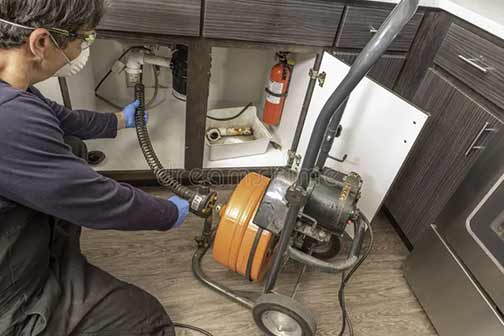
Scented odors from drains can be a sign of a clogged sewer or serious clog. Foul smells typically result from trapped garbage that will require professional sewer rodding service to clean out.
When to Call a Professional: How to Identify Serious Plumbing Problems
Whereas at-home remedies fix a small clog, there are times when the professionals need to be called in. It saves time and destruction to know when these moments are. Recognizing when to call in the pros ensures that more complex issues are attended to early and effectively.
Repeating Clogs: A repeating clog that is unable to be removed by multiple attempts may need professional drain cleaning assistance. Repeated blockages may signal underlying problems that require unique tools and expertise to repair.
Slow Drainage: Chronic slow drainage is a sign that there is something amiss in the plumbing system. The symptom may indicate concealed pipe damage or excessive amount of clog that should be examined by a professional.
Foul Smells: Scented odors from drains can be a sign of a clogged sewer or serious clog. Foul smells typically result from trapped garbage that will require professional sewer rodding service to clean out.
Several Clogged Drains: If several drains are plugged at the same moment, there could be a problem with the main sewer line. The problem should be addressed quickly by a professional plumber to prevent serious damage.
Conclusion: Maintaining a Healthy Plumbing System
An understanding of clogged drains and the use of effective solutions can reduce the chances of plumbing failure by a great measure. Regular home maintenance, careful practices, and timely professional intervention are all required to keep your plumbing system in top shape. Homeowners can enjoy the convenience of a well-functioning plumbing system as well as the prevention of the hassle and expense of clogged drains by taking proactive measures. A well-maintained plumbing system not only ensures smooth day-to-day functioning but also contributes to your home’s overall health and value.