Tag Archives: does my home need to be repiped

Understanding a Home Repiping Process for Chicago Homeowners

Understanding a Home Repiping Process for Chicago Homeowners

Plumbing systems do not last forever. With time, the plumbing pipes in your Chicago home may start to deteriorate and become prone to several issues.

This problem is caused by aging and diverse environmental factors. When it happens, it will impair your home’s water quality and put the building’s structural safety at risk, notes Specialized PM Charlotte.

If the plumbing pipes in your Chicago are failing, there are two ways you can respond.

You can leave the old pipes in place while still trying to get the best out of them. Or, you can repipe your house as a way to reset the plumbing and return it to its original state.

The first option will save you money in the short term but result in ever-higher plumbing repair costs. Repiping your home has higher upfront costs, but it will save you money eventually.

What is home repiping?

This is the process of replacing the old plumbing pipes in your home with new ones. Repiping is done to improve plumbing efficiency and fix chronic problems, such as leakages.

Typically, home repiping should be done when the pipes are over 40 years old. But if the home has hard water or is located in a region with unstable soils, repiping will be more often.

Your home will also need repiping if the plumbing contains old or hazardous materials like lead or galvanized steel pipes. Repiping your home saves you from expensive repairs down the road.

Does your Chicago home need repiping?

How do you know if your home is due for repiping? If you see the following signs, you may need to consider repiping as the final solution to your home’s persistent plumbing issues.

  • There are frequent pipe leaks in different parts of your home. This is a sign that most of your plumbing pipes have become fragile.
  • There is evidence of massive corrosion within the pipes. This is often marked by bad odors from your water supply and water discoloration.
  • You have chronic low water pressure in your home. This is probably due to excessive buildup of limescale deposits and other debris within the pipes.
  • Your home was built before or in the 1980s, and the plumbing pipes have not been replaced ever since. In all likelihood, your home’s plumbing will contain lead pipes. 

What are your home repiping options?

When repiping your home, the kind of replacement pipes you choose matters. You don’t want to replace problematic old pipes with the same material. What are your best options when repiping your home?

  1. Copper pipes

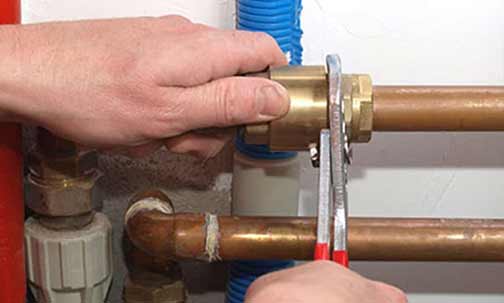
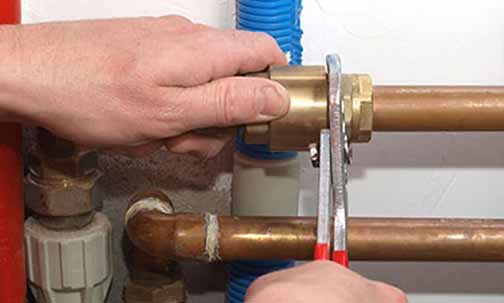
These are strong, reliable, and long-lasting with excellent heat resistance. Their antibacterial qualities make them ideal for drinking water piping. However, they are expensive and hard to install. They are best used for heating and drinking water.

  1. PEX (cross-linked polyethylene) pipes

The main advantage of PEX piping is they are flexible. This makes them extremely easy to install. They are corrosion-resistant and less likely to burst when they freeze. However, they can be damaged by UV light.

  1. CPVC, or chlorinated polyvinyl chloride

These are also affordable, easy to install, and corrosion resistant. They are not as flexible as PEX pipes and have lower temperature resistance. This makes them unsuitable for high-temperature applications.

The home repiping process

Considering the cost and disruptive potential of repiping your home in Chicago, you don’t want to start this project without proper preparation. To get the most benefit – cost-wise and otherwise – when repiping your home, these are the steps to follow:

  1. Get an inspection and estimate

The only way to be sure that your house needs repiping is to have a certified Chicago plumber inspect the plumbing. If the plumber confirms your suspicion, they also need to determine the scope of the project.

You should not do whole-house repiping when partial home repiping will solve your problems. In addition to inspecting your plumbing, the plumber will give you the estimated cost of the project and how long it will take to complete. Make sure you get estimates from at least three different plumbers.

  1. Prepare for disruptions

In all probability, your walls will be opened to allow access to the old pipes and to install new ones. Your water supply may be disrupted during the project, and you may have to move your items to protect them from damage. If possible, have your plumber take steps to ensure that you don’t run out of water during this period.

  1. Installing the new pipes

To retrieve and install the new pipes, the plumber will cut holes in your walls. This should be done in a way that does not compromise the structural integrity of your building but also ensures the correct installation of the new pipes. An experienced plumber will ensure that the new installation meets the current standards for home water service.

Considering the cost and complexity of home repiping and the potential long-term impact of a poorly executed job, it is vital to ensure that you only work with the best plumber in Chicago when repiping your home. The plumber you hire must have a track record for accurate installations with minimal errors.

Have more questions regarding the repiping of your home in the Chicago, IL area? Perhaps you are ready to schedule a home repiping? Reach out to us today at 708-775-2566 or by form below:
Contact Us

Contact Us

Name
Name
First Name
Last Name

Expert Advice on Seamless Home Repiping

Seamless Home Repiping

Plumbing systems don’t last forever; at some point, they must be replaced, says TRI Property Pros Management. When the issues in your plumbing become so bad that the cost of fixing them is greater than the cost of replacing the pipes, it is time to repipe your home.

Some of the problems you will see in your plumbing if your home needs repiping include:

  • Recurring leaks: Pipes that are old and fragile will leak frequently. Fixing the leak may even worsen the problem by creating more leaks.
  • Low water pressure: Sometimes you can notice a low water pressure. If the problem is not from the municipal water supply and the pipe is not leaking, it could be that the pipe channel is severely clogged.
  • Discolored water: Brown/yellowish, bad-tasting, and smelly water can be due to leaks or severe sedimentation within the pipe channel.

Your home may also need repiping if:

  • Your pipes are old: All plumbing pipes come with a use-before date. Pipes that have reached this date should be replaced.
  • You have lead/galvanized steel pipes: Since the 1980s lead water lines have been banned. Because of their high rate of corrosion, galvanized pipes are no longer used in homes.
  • You are remodeling your home: If you are planning to remodel your kitchen or bathroom, you can save money and time by taking this opportunity to also repipe your home.

Home repiping; what does it involve?

When repiping your home, the existing cold/hot water pipes, as well as, drain lines are removed and replaced with new ones. As can be imagined, this painstaking process takes a lot of time and money, which is why, you want to make sure to do it right. 

What does the actual home repiping process look like?

Professional assessment

Involving an expert in this project, from start to finish, ensures that problems in your home are accurately diagnosed and the solutions properly implemented. It is not possible, just by looking at the plumbing issues in your home, to determine if your home needs repiping or how much of your plumbing needs to be replaced. Getting a professional plumber to inspect the plumbing will tell you the kind of damage and scope of work required. A competent plumber also ensures your new pipe is installed according to current plumbing standards.

Getting your home ready

Depending on the amount of work to be done, you can do this yourself to save costs. But if it is a lot of work, it is better to let the plumber handle it. To prepare your home for repiping, you must take steps to prevent damage to your furniture and appliances. Typically, because the plumber will cut into the drywall, you have to spread plastic sheets or tarp over your belongings to protect them. Your water supply will also be shut off during this period; meaning your home may be unlivable throughout the project.

Choose your pipes

It makes sense to use a better alternative to your existing pipes, even if you don’t have lead or galvanized steel pipes in your home. Typically, you have to choose between PEX, copper, and CPVC. All three types of pipe materials come with their unique advantages and drawbacks, plus specific cost implications.

  • Copper: It is more durable than PEX and doesn’t corrode. It is heat-resistant and can withstand shocks from earthquakes. Copper doesn’t breed bacteria and it lasts for decades. However, it is prone to freezing, requires insulation and it is costly.

  • PEX: It is flexible and less prone to water hammers. It is more affordable than copper and easier to install. PEX pipes are naturally insulated, so they are less likely to freeze and will not crack even if they freeze. But they are less durable than copper pipes.

  • CPVC: They are easy to work with and cheap. CPVC pipes have high acidity resistance. However, they are prone to cracking during an earthquake and cost more than PVC.

Some materials, like PEX, need an installer who is certified for that kind of installation. Some plumbers also prefer to work with specific materials.

Repipe your home

After covering your belongings with plastic sheets, the plumber will mark the exact location of the pipes within the walls of your house. Depending on the type of foundation they may access the pipes inside the flooring through the ceiling or basement or by digging into the subfloor. If you are replacing your main water line and drain lines the plumber may need to excavate in your yard. Because you have to fix your damaged landscaping afterward, this will increase your costs.

How long does it take to repipe your home? It depends on the size of your home and the number of fixtures that need to be fitted. But generally, you can expect the entire process to take a maximum of one week. For smaller houses, it can take a few days.

This also depends on the quality of the plumber you hire for the project. A competent plumber can minimize the amount of disruption to your family. By preparing adequately and avoiding amateurish mistakes a professional plumber will save you time and money.