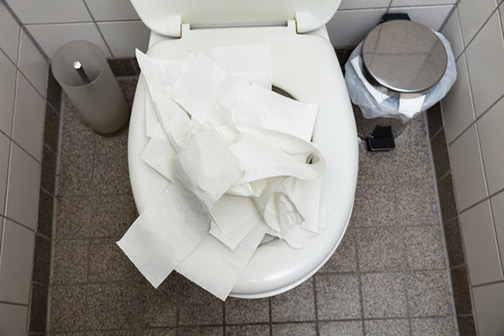
Dealing with a clogged toilet in your home, and no plunger in sight? Before you pick up the phone to call a plumber, try these hacks. Even if you could call a plumber, you should still learn these methods. They will save you if your toilet ever clogs and there is no plumber around, notes CMG Toronto.
Before taking the steps below, first, turn off the water supply to your toilet. Locate the shut-off valve on the water line to the toilet. If it is not on the water line, look for it on the walls around your toilet. After you find it, turn the valve handle clockwise to close it.
Secondly, avoid flushing your toilet. You may have flushed the toilet after you discovered that it was clogged. In all probability, the toilet bowl is filled to the brim with water, with all unsightly materials floating on the water’s surface. Do NOT flush the toilet again.
Use shampoo/dish soap and hot water
If the water level inside the bowl is close to the brim, wait for it to drop. Most clogs will let some water drain if you give them time. Wait until the water level is 3-4 inches from the top of the bowl.
Pour a generous amount of shampoo or dish soap into your toilet, straight down toward the drain opening, and wait. Since it is denser than water, the dish soap will settle at the bottom of the bowl, around the drain outlet.
As the water level in the bowl falls lower, some of the soap will flow into the drain, lubricating the area and allowing the clog to slip through. The soap or shampoo’s degreasing qualities will also start to break things up.
Fill a bucket or bowl with hot water from the tap and pour it into the toilet. Be sure not to pour more water into the bowl than it can handle. Never pour boiling water into your toilet bowl; porcelain and hot water do not mix very well.
Let the hot water sit inside the bowl for 5-20 minutes. If necessary, repeat the process until the drain is fully unclogged. This method only works for human waste, not blockages caused by small toys or hard objects.
Use a toilet scrubbing brush
Like the first method, make sure the water inside the bowl is 3-4 inches below the rim.
Insert a toilet scrubbing brush into the toilet, all the way into the drain opening, as far as it can go. Move the brush up and down with quick, vigorous thrusting movements, in the same way as you would use a plunger.
A plunger works by pushing/pulling on the water inside the bowl, and using the pressure of that movement to loosen the blockage inside the pipes. Using a toilet scrubbing brush as described above does the same thing.
After a minute of doing this, the clog will move down into the trap, gradually unclogging the toilet drain. Flush the toilet to ensure that there are no more problems.
Hopefully, you won’t have any crap sticking to the brush. However, if there is, rinse the brush by flushing the toilet and sticking the brush head into the flowing water.
Adding dish soap or shampoo to the water inside the toilet bowl will make this entire process easier.
Use a homemade drain cleaner
For this method, you need two common kitchen ingredients: baking soda and vinegar.
Once again, make sure the water inside the bowl is at least 3-4 inches below the rim.
Pour a cup of baking soda into the toilet, followed by two cups of vinegar. Let the mixture sit for 5-15 minutes.
If there isn’t a lot of water inside the bowl, pour copious amounts of hot water (not boiling water) into the toilet. If there is plenty of water inside the bowl, wait until the water level falls before pouring in hot water.
Flush the toilet to make sure it is fully unclogged
Buy a toilet plunger before you need it
You could have saved yourself all this trouble if you had a plunger in your home. To avoid future trouble of this nature, buy yourself a plunger. However, simply buying a plunger is not enough; make sure to buy the right plunger. What kind of plunger should you buy for your toilet?
A flange plunger works better than a standard cup plunger. Also known as a beehive plunger, it has a secondary flap that helps to create a tight seal around the drain opening. However, the absolutely best plunger for your toilet is an accordion plunger. These are specifically designed for toilets.
Final words, if the above methods fail to remove the clog inside your toilet, please call a local plumber. It also helps to know what you should do, or avoid doing to your toilet, if you want to prevent clogs and an overflowing toilet.
Before we get into advanced techniques for dealing with stubborn toilet clogs, it is essential to understand the common causes behind these frustrating blockages. Toilets can become clogged due to various reasons, ranging from improper flushing habits to structural issues within the plumbing system. By identifying the root cause, you can better address the problem and prevent future occurrences.
One of the most common causes of toilet clogs is the flushing of inappropriate items. Many people mistakenly believe that toilets can handle anything that fits down the drain, but this is far from the truth. Items such as sanitary products, wipes, cotton balls, and excessive amounts of toilet paper can quickly lead to blockages. Additionally, children often flush toys or other foreign objects, causing stubborn clogs that require more advanced techniques to resolve.
Another frequent cause of toilet clogs is the buildup of mineral deposits and hard water scale within the pipes. Over time, these deposits can narrow the passageway, making it easier for debris to get stuck and form a blockage. Older plumbing systems are particularly susceptible to this issue, as the pipes may have accumulated significant mineral buildup over the years.
Structural issues within the plumbing system can also contribute to stubborn toilet clogs. For example, a misaligned or sagging pipe can create a low spot where waste and debris collect, eventually leading to a blockage. Similarly, tree roots infiltrating the sewer line can cause significant damage and obstruct the flow of waste, resulting in persistent clogs that require professional intervention.
Assessing the Severity of the Clog
Once you have a general understanding of the potential causes of toilet clogs, the next step is to assess the severity of the clog. This will help you determine the most appropriate technique for resolving the issue. Start by observing how the toilet behaves when you attempt to flush it. If the water rises to the brim and drains slowly, you are likely dealing with a partial clog. On the other hand, if the water overflows or does not drain at all, you may have a more severe blockage.
It is also helpful to check other fixtures in your home to see if they are experiencing similar issues. If multiple toilets, sinks, or showers are draining slowly or backing up, the problem may lie in the main sewer line rather than the individual toilet. In such cases, advanced techniques and professional assistance may be necessary to address the issue effectively.
Using a Plunger: The First Line of Defense
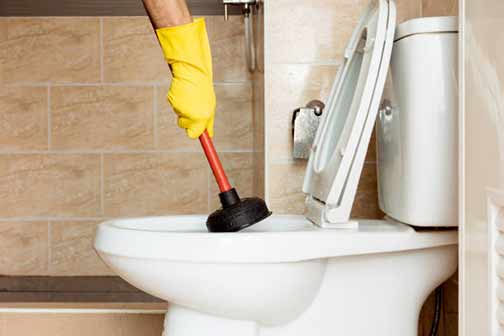
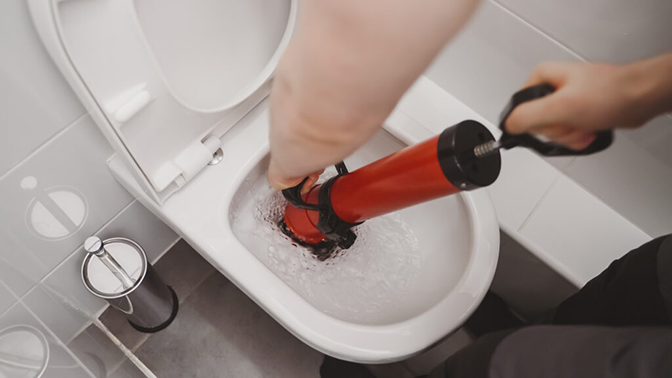
The humble plunger is often the first tool people reach for when dealing with a toilet clog, and for good reason. When used correctly, a plunger can create enough suction and pressure to dislodge most clogs. To maximize the effectiveness of your plunger, ensure that you are using a flange plunger, which is specifically designed for toilets. The flange helps create a better seal, allowing for more powerful plunging action.
Begin by positioning the plunger over the toilet drain, ensuring that the flange is fully submerged in water. If there is not enough water in the bowl, add some to create a better seal. Next, press down firmly on the plunger handle to create suction, then pull up sharply to generate pressure. Repeat this process several times, maintaining a steady rhythm. If the clog does not clear after a few minutes of plunging, it may be time to move on to more advanced techniques.
For clogs that are located deeper within the plumbing system, a toilet auger (also known as a plumbing snake) can be an effective tool.
Employing a Toilet Auger for Deeper Blockages
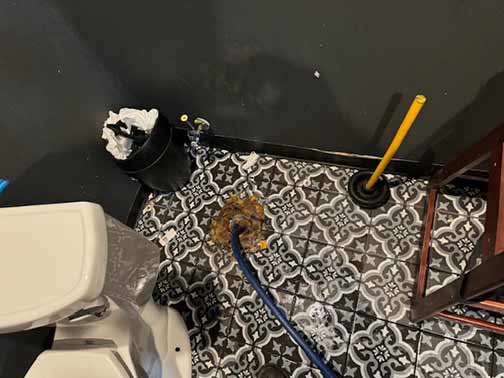
For clogs that are located deeper within the plumbing system, a toilet auger (also known as a plumbing snake) can be an effective tool. A toilet auger consists of a long, flexible cable with a coiled end that can navigate through the twists and turns of the toilet’s plumbing. The coiled end is designed to break up or retrieve the debris causing the blockage.
To use a toilet auger, begin by inserting the coiled end into the toilet drain. Slowly turn the handle to feed the cable into the pipe, applying gentle pressure as needed. Once you encounter resistance, continue turning the handle to work the auger through the clog. You may need to push and pull the cable to help break up the blockage. After the clog has been cleared, flush the toilet to ensure proper drainage. If the water still does not drain correctly, you may need to repeat the process or consider other advanced techniques.
Utilizing Enzyme-Based Drain Cleaners
Enzyme-based drain cleaners offer a chemical-free alternative for dealing with stubborn toilet clogs. These cleaners contain natural enzymes that break down organic matter, such as hair, grease, and waste, making it easier for the clog to be flushed away. Enzyme-based cleaners are safe for most plumbing systems and can be used regularly to prevent future clogs.
To use an enzyme-based drain cleaner, follow the manufacturer’s instructions for the correct dosage and application method. Typically, you will need to pour the cleaner into the toilet bowl and allow it to sit for several hours or overnight. During this time, the enzymes will work to break down the clog. After the recommended waiting period, flush the toilet to see if the clog has been cleared. If the blockage persists, you may need to try a different technique or seek professional assistance.
Implementing a Wet/Dry Vacuum for Stubborn Clogs
A wet/dry vacuum can be a powerful tool for dealing with particularly stubborn toilet clogs. This method involves using the vacuum to create suction and remove the blockage from the toilet drain. Before attempting this technique, ensure that your wet/dry vacuum is equipped with a hose attachment that can create a tight seal around the toilet drain.
Start by removing as much water as possible from the toilet bowl using the vacuum. Next, place the hose attachment over the toilet drain, ensuring a tight seal. Turn on the vacuum and allow it to run for several minutes to create suction and dislodge the clog. Once the clog has been removed, flush the toilet to check for proper drainage. If the water still does not drain correctly, you may need to repeat the process or try another advanced technique.
Exploring Hydro-Jetting for Severe Blockages
Hydro-jetting is a professional technique that uses high-pressure water to clear severe blockages in the plumbing system. This method is particularly effective for removing stubborn clogs caused by tree roots, mineral deposits, and other hard-to-reach debris. Hydro-jetting requires specialized equipment and expertise, so it is best performed by a licensed plumber.
During a professional hydro-jetting service, the plumber will insert a high-pressure hose into the toilet drain or sewer line. The hose releases a powerful stream of water that can break up and flush away even the most stubborn blockages. Hydro-jetting not only clears the clog but also cleans the interior walls of the pipes, helping to prevent future blockages. If you are dealing with a particularly severe or persistent clog, hydro-jetting may be the most effective solution.
Hydro-jetting not only clears the clog but also cleans the interior walls of the pipes, helping to prevent future blockages.
Preventing Future Toilet Clogs
Once you have successfully cleared a stubborn toilet clog, it is essential to take steps to prevent future blockages. By adopting good flushing habits and performing regular maintenance, you can minimize the risk of clogs and keep your plumbing system in optimal condition.
First and foremost, be mindful of what you flush down the toilet. Only flush human waste and toilet paper, and avoid disposing of items such as sanitary products, wipes, and cotton balls in the toilet. Additionally, consider using a toilet paper that is designed to break down quickly and easily, reducing the likelihood of clogs.
Regular maintenance can also help prevent toilet clogs. Periodically inspect your plumbing system for signs of wear and tear, such as leaks, corrosion, or misaligned pipes. If you have hard water, consider installing a water softener to reduce the buildup of mineral deposits in your pipes. Additionally, using enzyme-based drain cleaners on a regular basis can help keep your pipes clear of organic matter and prevent blockages.
Seeking Professional Assistance When Necessary
While many toilet clogs can be resolved with the techniques outlined in this article, there are times when professional assistance is necessary. If you have tried multiple methods without success, or if you suspect that the clog is due to a more serious issue such as a damaged sewer line or tree root infiltration, it is best to call a licensed plumber.
A professional plumber has the expertise and equipment needed to diagnose and resolve even the most stubborn toilet clogs. They can perform a thorough inspection of your plumbing system, identify the root cause of the blockage, and recommend the most effective solution. By seeking professional assistance when necessary, you can ensure that your plumbing system remains in good working order and avoid costly repairs in the future.
To Wrap It Up
Dealing with stubborn toilet clogs can be a frustrating and challenging task, but with the right techniques and tools, you can tackle even the most persistent blockages with confidence and skill. By understanding the common causes of clogs, assessing the severity of the blockage, and employing advanced methods such as using a toilet auger, enzyme-based cleaners, or hydro-jetting, you can effectively resolve the issue and prevent future occurrences. Remember to adopt good flushing habits and perform regular maintenance to keep your plumbing system in optimal condition. And when in doubt, do not hesitate to seek professional assistance to ensure the best possible outcome.