Plumbing problems occur in your home frequently, and if you’re like the average Chicago homeowner, you may sometimes attempt to fix these issues yourself. That is a good thing because not all plumbing issues in your home need the attention of a professional Chicago plumber.
According to Mainlander Property Management Inc. , learning basic DIY plumbing skills can help you save money and time. It lets you minimize the impact of plumbing emergencies in your home. Working on your plumbing by yourself also gives you a better understanding of the system, making your plumbing maintenance more effective.
But when working to fix any of your home’s plumbing problems, it is vital to keep some things at the back of your mind. Firstly, remember that DIY plumbing skills do not replace the necessity for professional plumbing expertise; know the limits of your DIY knowledge.
Secondly, there are things you should never do when working on your plumbing. Making these mistakes will compound the problems you are trying to solve or even create new ones. What are some of these DIY plumbing mistakes to avoid? Find the answers below.
- Gluing a painted pipe
Amateur plumbers do this all the time. When trying to glue a fitting to a pipe, they apply the glue to the pipe without first removing the paint. The joint eventually fails because the paint prevents a good connection, resulting in leaks later. That’s because the glue or solvent is meant to fuse the two pieces together, but this can’t happen with a layer of paint in between. The correct way to glue fittings is to first strip away the paint on the end of the plumbing pipe with paint thinner before applying the glue or solvent.
- Using the wrong kind of plunger
You should have two kinds of plungers in your home: a sink plunger and a toilet plunger. They do the same work but look very different. A toilet plunger typically features a flap, whereas sink plungers are generally flat. The flap helps to ensure a perfect seal when plunging the toilet. Using a sink plunger in the toilet will result in much work without success because the plunger can’t achieve an airtight fit. Unless you want to contaminate your kitchen sink with human waste and bacteria, never use a toilet plunger in your kitchen. Get one plunger for the toilet and another one for the kitchen.
- Cooling a soldered joint with water
Basic science teaches us that heat causes metals to expand, while cold causes them to shrink. When you use water to cool a soldered joint, the solder loses heat too quickly and unevenly. While the surface of the material is cooling and shrinking, the inner part is still hot and expanding. This creates tension between the two temperature zones, causing small cracks to appear in the solder. This weakens the joint, effectively destroying your work. To avoid this, let the solder cool by itself; that should take no more than 30 – 60 seconds.
- Not disconnecting your outdoor hose in winter
At the first hint of winter, outdoor water hoses should be disconnected and drained before storing them. A hose left connected to an outdoor faucet may still hold water inside it. When subzero temperatures hit, the water inside the hose and faucet can freeze and transfer cold from outside the home to the water pipes inside your house, causing your pipes to freeze. The result is often a burst pipe inside your home. To prevent this problem, disconnect the hose and drain both it and the faucet.
- Installing one pipe on top of another
When laying copper pipes in the same area, it is a mistake to let them be in contact with one another. Pipes move when the water is turned on or off, and the constant motion can cause them to rub against each other. With time, those pipes will wear thin and eventually leak. When laying copper pipes, and there is a risk of them touching, use fittings to navigate around one of the pipes. If this is not possible because the pipes are already installed, adding some insulation between the two pipes should solve the problem.
- Foregoing a P-trap
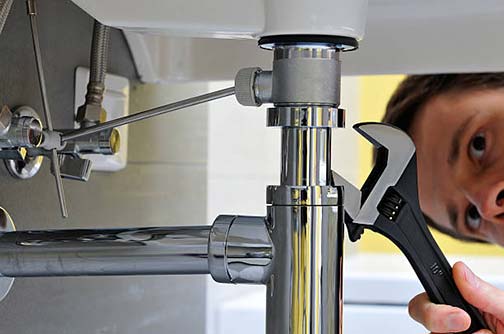
P-traps are a requirement for any fixture with a drain. This P-shaped pipe, commonly found below sinks and bathtubs, serves a very important function. It keeps the foul gases inside the drainage system from flowing backwards and entering your home. P-traps also catch small objects that accidentally fall into the drain (like a wedding ring). Without a P-trap, you will experience unpleasant odors in some areas of your home. Ensure there is one installed in your sinks, bathtubs, washing machine, and shower drains.
The final DIY mistake you should never make is failing to call a professional plumber when the problem demands it. Your DIY skills should complement the knowledge of your plumber. As a matter of fact, a good Chicago plumber will help you improve your DIY skills because it makes their job easier.