Tag Archives: dealing with a broken sewer line

Expert Tips for Addressing Sewer Line Damage

Expert Tips for Addressing Sewer Line Damage

Sewer line damage is a critical issue that homeowners and property managers may face, often leading to significant inconvenience and expense if not addressed promptly. Understanding the nature of sewer line damage and the potential causes is the first step in effectively managing and mitigating these problems. Sewer lines are essential components of a property’s plumbing system, responsible for transporting wastewater from the home to the municipal sewer system or a septic tank. Damage to these lines can result in leaks, blockages, or even complete system failure, leading to unpleasant odors, water damage, and potential health hazards. The complexity of sewer line systems necessitates a thorough understanding of their function and potential vulnerabilities, empowering property owners to take proactive measures in safeguarding their plumbing infrastructure.

Identifying the Warning Signs of Sewer Line Damage: Key Indicators to Watch For

Recognizing the warning signs of sewer line damage early can prevent costly repairs and extensive property damage. Some common indicators include slow drains, frequent clogs, foul odors emanating from drains or the yard, and unusually lush patches of grass, which may indicate a leak. Additionally, gurgling noises from drains and the presence of mold or mildew in unexpected areas can also signal sewer line issues. It is crucial to address these signs promptly to prevent further damage and to maintain the integrity of your plumbing system. Homeowners should be vigilant in monitoring their plumbing systems for these signs, as early detection is key to minimizing disruption and expense.

Common Causes of Sewer Line Damage: Understanding the Root of the Problem

Several factors can contribute to sewer line damage. Tree roots are one of the most common culprits, as they can infiltrate pipes in search of moisture, causing cracks or blockages. Other causes include aging pipes that have deteriorated over time, ground shifting or settling, and improper installation or maintenance. Additionally, flushing inappropriate items down the drain, such as grease, wipes, or sanitary products, can lead to blockages and damage. Understanding these causes can help homeowners take preventive measures to protect their sewer lines. By being aware of the potential threats to their plumbing systems, property owners can implement strategies to mitigate these risks effectively.

Professional Techniques for Diagnosing Sewer Line Issues: Precision in Detection

When faced with potential sewer line damage, it is essential to engage the services of a professional plumber or sewer specialist. These experts utilize advanced techniques and equipment to accurately diagnose the problem. One common method is sewer camera inspection, where a small camera is inserted into the sewer line to visually assess the condition of the pipes. This technique allows for precise identification of blockages, cracks, or other issues without the need for extensive excavation. Additionally, professionals may use hydro jetting or trenchless technology to address and repair damage efficiently. The expertise and technological tools employed by professionals ensure that sewer line issues are diagnosed with precision and efficiency, minimizing disruption and cost.
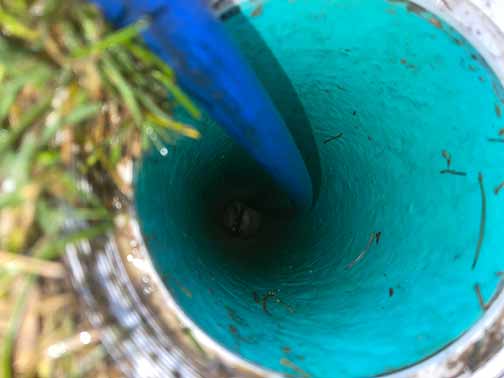
professional hydro jetting service
Professionals may use hydro jetting to address and repair damage efficiently.

Effective Strategies for Sewer Line Repair and Maintenance: Ensuring Longevity

Once sewer line damage has been identified, it is crucial to implement effective repair and maintenance strategies. Depending on the severity of the damage, options may include pipe relining, which involves inserting a new lining into the existing pipe to seal cracks, or pipe bursting, where a new pipe is pulled through the old one, breaking it apart. Regular maintenance, such as periodic inspections and cleaning, can also help prevent future issues and extend the lifespan of your sewer system. Engaging a professional for routine maintenance can ensure that potential problems are detected and addressed early. By adopting a proactive approach to sewer line maintenance, property owners can safeguard their plumbing systems against future damage and ensure their longevity.

Preventive Measures to Protect Sewer Lines: Proactive Protection Strategies

Preventing sewer line damage is often more cost-effective than dealing with repairs. Homeowners can take several measures to protect their sewer lines, such as being mindful of what is flushed down the drains and ensuring that trees and shrubs are planted at a safe distance from sewer lines. Regular inspections by a professional can also help identify potential issues before they become significant problems. Additionally, installing backflow prevention devices can protect against sewer backups, providing an extra layer of security for your plumbing system. By implementing these preventive measures, property owners can reduce the risk of sewer line damage and protect their investment.

The Importance of Professional Expertise in Sewer Line Management: Ensuring Optimal Outcomes

While some minor plumbing issues can be addressed by homeowners, sewer line damage requires the expertise of a professional. These specialists have the necessary training, experience, and equipment to accurately diagnose and repair complex sewer line issues. Attempting to fix these problems without professional assistance can lead to further damage and increased costs. Engaging a qualified plumber ensures that repairs are performed safely and effectively, protecting both your property and your peace of mind. The involvement of professional expertise in sewer line management is crucial for ensuring optimal outcomes and safeguarding the integrity of your plumbing system.

Conclusion: Mastering Sewer Line Management with Expertise and Precision

Addressing sewer line damage with precision and expertise is crucial for maintaining the integrity of your property’s plumbing system. By understanding the warning signs, causes, and professional techniques for managing sewer line issues, homeowners can take proactive steps to protect their investment. Regular maintenance and preventive measures, combined with the expertise of a sewer line repair professional, can help ensure that sewer line problems are addressed swiftly and effectively, minimizing disruption and expense. Mastering sewer line management requires a comprehensive approach, integrating knowledge, preventive strategies, and professional expertise to achieve optimal outcomes.

Broken Sewer Pipes: Professional Steps Every Homeowner Should Follow

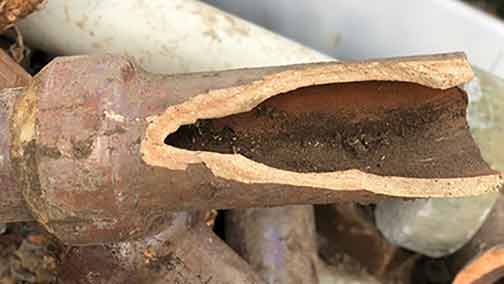
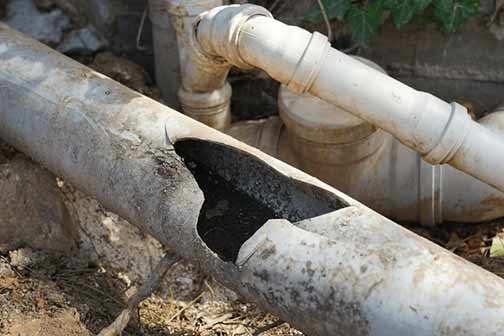
a broken sewer pipe

Understanding the Problem: What Causes Sewer Pipes to Break?

Sewer pipes are integral to any home’s plumbing system, responsible for carrying waste away efficiently. However, these pipes can break for several reasons, leading to significant issues for homeowners. Common causes include age-related wear and tear, ground movement, root intrusion, and improper installation. Understanding these causes is the first step in addressing the problem effectively.

Age-related wear and tear is a natural process that affects all materials over time. Sewer pipes, particularly those made from older materials like clay or cast iron, can become brittle and susceptible to cracks and breaks. Ground movement, whether from natural soil shifts or construction activities, can exert pressure on pipes, causing them to fracture. Root intrusion is another prevalent issue, where tree roots seek out moisture and infiltrate pipes, leading to blockages and breaks. Improper installation, including poor alignment and lack of support, can also cause pipes to fail prematurely.

Signs of a Broken Sewer Pipe: Early Detection and Diagnosis

Early detection of a broken sewer pipe can save homeowners from costly repairs and extensive damage. Key indicators include unpleasant odors, slow drains, persistent clogs, and unusually lush patches of grass in the yard. Homeowners should also be on the lookout for mold growth, foundation cracks, and rodent infestations, which can all be symptomatic of sewer pipe issues.

Unpleasant odors often arise from sewer gases that escape through cracks in the pipes. Slow drains and persistent clogs can indicate a blockage caused by debris or root intrusion. Unusually lush patches of grass suggest a leak in the sewer line, where the escaping wastewater acts as a fertilizer. Mold growth and foundation cracks may result from moisture seeping into the home, while rodent infestations can occur as pests are attracted to the warmth and shelter provided by damaged pipes.

Initial Steps to Take: Professional Assessment and Inspection

Once signs of a broken sewer pipe are detected, it is crucial to consult a professional plumber for an accurate assessment. Professionals use advanced techniques such as sewer camera inspections to pinpoint the exact location and extent of the damage. This step is essential to determine the most effective repair strategy and prevent further complications.

During the assessment, plumbers may also perform a sewer smoke testing, where smoke is introduced into the sewer system to identify leaks. Hydrostatic testing, which involves filling the pipes with water to check for pressure loss, may also be conducted. These diagnostic tools allow plumbers to develop a comprehensive understanding of the issue and recommend the most appropriate course of action.

Exploring Repair Options: From Trenchless Technology to Traditional Methods

Depending on the severity and location of the break, there are several repair options available. Trenchless technology, such as pipe lining and pipe bursting, offers a less invasive solution by avoiding extensive digging. Traditional methods, while more disruptive, may be necessary for severe cases. A professional plumber can guide homeowners in choosing the most appropriate method based on the specific circumstances.

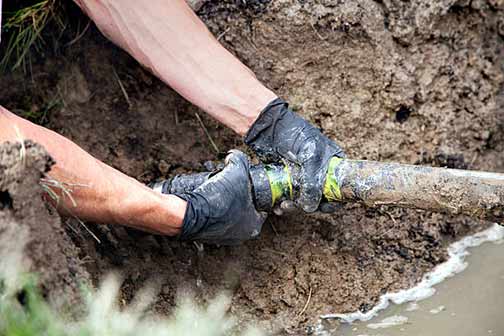
Pipe lining involves inserting a flexible tube coated with resin into the damaged pipe. Once in place, the resin hardens, creating a new pipe within the old one. Pipe bursting, on the other hand, involves breaking the old pipe apart while simultaneously pulling a new pipe into place. Traditional methods may involve excavating the affected area to replace or repair the damaged section of sewer pipe. Each method has its advantages and limitations, and the choice will depend on factors such as the pipe’s location, the extent of the damage, and the homeowner’s budget.

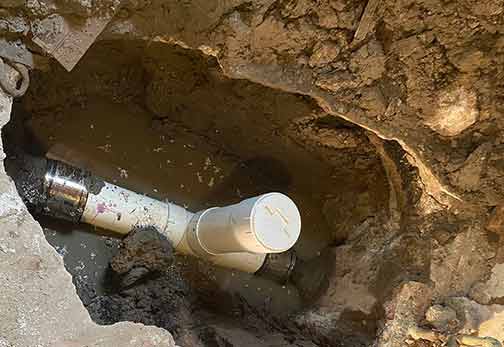
a plumber repairing a sewer pipe

Traditional methods may involve excavating the affected area to replace or repair the damaged section of sewer pipe.

Preventive Measures: Safeguarding Your Home Against Future Issues

Preventing future sewer pipe issues involves regular maintenance and inspections. Homeowners should schedule periodic checks with a professional plumber to catch potential problems early. Additionally, avoiding flushing non-degradable items and being mindful of tree planting near sewer lines can help maintain the integrity of the pipes.

Regular maintenance may include cleaning the pipes to remove buildup and prevent blockages. Plumbers can use high-pressure water jets to clear debris and roots from the system. Homeowners should also be cautious about what they flush down the toilet and dispose of in the sink, avoiding items like wipes, sanitary products, and grease that can cause clogs. Planting trees and shrubs at a safe distance from sewer lines can prevent root intrusion, while installing root barriers can offer additional protection.

The Cost Factor: Budgeting for Sewer Pipe Repairs

Repairing broken sewer pipes can be a significant financial undertaking. Costs vary depending on the repair method and the extent of the damage. Homeowners should obtain multiple quotes from reputable plumbers to ensure they receive a fair price. Additionally, some repairs may be covered by homeowner’s insurance, so it’s worth checking the policy details.

Trenchless repairs, while often more expensive upfront, can save money in the long run by minimizing landscape disruption and reducing labor costs. Traditional methods may be cheaper initially but could incur additional expenses for restoring the yard. Homeowners should also consider the potential impact of sewer pipe issues on property value and weigh the cost of repairs against the benefits of maintaining a functional plumbing system.

Working with Professionals: Choosing the Right Plumbing Service

Choosing a reliable and experienced plumbing service is crucial for effective sewer pipe repair. Homeowners should look for licensed professionals with positive reviews and a proven track record. It’s also beneficial to select a plumber who offers a comprehensive range of services, from inspection to repair and maintenance, ensuring all aspects of the problem are addressed.

When selecting a plumbing service, homeowners should verify the company’s credentials and ask for references from previous clients. Reading online reviews and checking with local consumer protection agencies can provide additional insights into the company’s reputation. A reputable plumber should also provide a detailed estimate and explain the repair process clearly, allowing homeowners to make informed decisions.

Understanding the Long-Term Impact: How Sewer Pipe Repairs Affect Your Home’s Value

Addressing sewer pipe issues promptly can have a positive impact on a home’s value. Potential buyers are likely to be deterred by signs of plumbing problems, so ensuring repairs are completed by professionals can enhance the property’s appeal. Additionally, maintaining detailed records of repairs and inspections can provide peace of mind to future buyers.

Homes with a history of plumbing issues may face challenges in the real estate market, as buyers may be concerned about potential future problems. By investing in professional repairs and keeping documentation of all work performed, homeowners can reassure buyers of the property’s condition. Regular maintenance and inspections can also demonstrate a commitment to preserving the home’s value and functionality.

To Conclude

Dealing with broken sewer pipes requires a professional approach to ensure the problem is resolved effectively and efficiently. By understanding the causes, recognizing the signs, and working with experienced plumbers, homeowners can protect their property and prevent future issues. Investing in professional services not only safeguards the home but also contributes to maintaining its value over time.

Ultimately, taking proactive steps to address sewer pipe issues can provide homeowners with peace of mind and protect their investment. By prioritizing regular maintenance and seeking professional assistance when needed, homeowners can ensure their plumbing system remains in optimal condition, reducing the risk of costly repairs and enhancing the overall quality of their home.

5 Ways to Handle a Broken Sewer Line

5 Ways to Handle a Broken Sewer Line

The sewer line that runs beneath the ground in your home is the vital connection between your home’s plumbing system and the city’s main sewer line in the street, says State Property Management LLC. This pipe transports all the wastewater from your home into the municipal wastewater management system.

Sewer pipes are tough enough to withstand pressure and the other forces underground pipes are subject to. They can work for many years without any signs of trouble. But this is not to say that the sewer line or pipe in your home cannot get broken because they can.

Several things can break your home’s sewer line. Five of the most common ones are:

Soil movements

The soil surrounding the underground pipe may shift. This most common form of soil movement is called settling. When the soil around the pipe settles, it creates a dip along the line. Over time, the buildup can occur in this downward slope, leading the pipe to eventually break.

Poor installation

If the pipe is not installed with the proper downward slope, the possibility of clogs and blockages becomes higher. Sewer pipes with an inaccurate downward slope will ultimately break. Substandard piping materials will also lead to the failure of the sewer line.

Damage by tree roots

If there are trees or shrubs in the vicinity of the line, their roots can endanger the sewer pipes. Tree roots may penetrate sewer pipes in a bid to access the nutrient-rich water inside them. If this happens, the pipe will not only break but will be blocked by plant roots.

Aging pipes

Pipes become more predisposed to damage with age. This is the accumulated result of years of wear and tear. Some kinds of pipe materials such as metal pipes are more prone to damage than others. Old sewer lines will leak and clog more often than newer ones.

Abusing the sewer line

Homeowners often assume the sewer line is capable of handling anything they throw at it. As a result, they dump grease, fats, oils, and other materials into the line. Anything other than human waste and toilet paper inside your sewer lines can result in the pipes breaking.

How can you tell if your sewer line is broken and what should you do to solve the problem?

Common signs of a damaged sewer line include:

  • The odor of sewer from the drain or around the yard.
  • Lush green areas in the yard, distinct from other parts of the yard.
  • Puddles of water or soft spots in the yard that are not caused by rain or irrigation.

If you notice these problems in your home, you may suspect a crack in your sewer line. What can you do if the sewer pipe is broken?

sewer line repair chicago

Having Your Sewer Line Repaired by a Professional Plumbing Company is Your Best Bet

How to handle a broken sewer pipe

A broken sewer pipe will not only interfere with your use of the home’s plumbing, but it can also endanger the health of your family. If left unattended, the damage will become more extensive and more costly to repair. Eventually, it can even compromise the city’s sewer lines.

Here are ways to handle a broken sewer line:

Locate the damaged pipe

Pinpointing the location of the damaged pipe makes it easier to assess the damage and determine the best way to solve the problem. If the pipe is in the crawlspace or basement, finding the damaged section is easier. Otherwise, you will need a professional plumber to conduct a video camera inspection of the sewer line.

Evaluate the damage

The camera inspection will tell you the extent of the damage. If you are lucky, and a small section of the sewer line is damaged and the damaged portion is within easy reach. The evaluation will also identify the root cause of the pipe damage and recommend the best way to repair or replace the sewer line.

Repair or replace the sewer line

Depending on the cause of the problem and how far it has gone, you have two courses of action open to you. On one hand, you may only have to repair the damaged section of the pipe. On the other hand, you may need to replace your entire sewer line.

Fix the pipe

To repair the damaged pipe, you have two options. The first method involves excavation: digging a trench in your yard to reach, retrieve, and replace the damaged pipe. This method is invasive, time-consuming, and expensive. You will also have to fix your damaged landscaping afterward.

The second option is a trenchless method that does not involve excavation. Instead of digging up your lawn, the section of the damaged pipe is repaired by relining it. This method is quick and effective. It is the recommended fix for your broken sewer line.

Replace the sewer line

This is the final and costliest option. This solution should only be applied if it is not possible to fix the broken line. Most times you will only need to replace an entire sewer line if the pipes are old and deteriorating or there have been significant shifts in the soil surrounding the pipes.