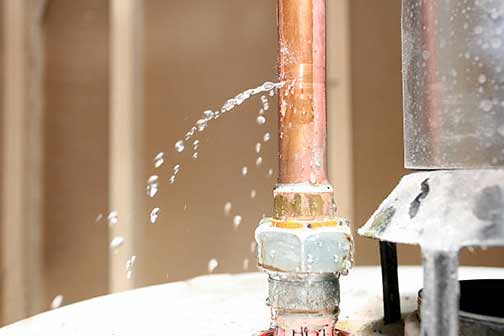
Problems like leaky faucets, dripping showerheads, running toilets, and similar issues that waste water often don’t register as serious plumbing problems in your home. However, Keyrenter St. Louis West Services warns, these are usually the costliest plumbing problems in most American households.
Unlike other problems that interfere with the function of your plumbing or prevent you from using the fixtures altogether, dripping faucets and running toilets don’t do that. Even if a toilet is running, you can still use it without worries.
This fact is why it is so easy to ignore plumbing malfunctions in your home that do not directly affect your routine or pose a threat of water damage to the house. But this is one of the worst plumbing maintenance mistakes you can make.
Because that dripping faucet in your bathroom is not just an irritating problem, it is a serious issue that could be digging a hole in your wallet right now. It could be unknowingly costing you hundreds or thousands of dollars each year.
The true cost of hidden water wastage
Water usage statistics in the USA show that the average home wastes between 10,000 and 20,0000 gallons of water every year. This is mostly from faulty or outdated fixtures and easily overlooked problems like:
- Running toilets: A single running toilet can waste 200+ gallons of water per day, or 6,000 gallons a month, adding approximately $70.06 to your water bill every month.
- Dripping faucets: One faucet leaking at the slow rate of one drip per second will waste up to 3,000 gallons of water a year – more than enough water to fill a swimming pool.
- Overwatering lawns/gardens: Excessive watering on windy or hot days, and water-intensive landscaping designs lead to significant water waste.
- Older toilets: Compared to modern systems, which use 1.28-1.6 gallons of water per flush, older toilets use anywhere from 3.5-7 gallons of water per flush.
- Older showerheads: Old showerheads may have flow rates as high as 5 gpm (gallons per minute). Modern low-flow showerheads, on the other hand, use 2.5 gpm or less.
- Old appliances: Washing machines and dishwashers without water-saving features use more water per load. These appliances significantly inflate your home’s water bill.
- Personal habits: Like leaving a faucet on while brushing your teeth and running the dishwasher or washing machine with half loads also waste a lot of water.
What is the impact of these problems on your wallet?
It is difficult to factually determine the real cost of water wastage in a home because the problem is not the same for all households. But consider the following:
- A single dripping faucet may add $300 to your home’s water bill every year.
- A 10-minute shower every day using a 5 gpm showerhead uses 18,200 gallons of water a year. Compare this to 5,460 gallons per year used by a low-flow showerhead.
- An older toilet, if it is not leaking, will use over three times the volume of water used by low-flow toilets. This is 60% more than you need to pay for water used for flushing.
What to do about water wastage in your home
An efficient plumbing system is devoid of leaks and uses the right volume of water for every task. To make your plumbing more efficient, your strategy must incorporate these two essential steps: eliminate leaks and maximize water usage.
- Find and fix leaks
Two types of leaks can happen in homes: hidden and visible leaks. Visible leaks are things like leaky faucets and running toilets, which are often taken for granted. Hidden leaks usually exist inside the walls and flooring or within the foundation, and in the yard.
Finding and fixing leaks is the first step to an efficient plumbing system. The main challenge with this step is identifying the sources and causes of leaks in the system, since most happen in the out-of-sight sections of your home.
To find these problems, you need professional leak detection techniques and tools like thermal imaging, pressure testing, acoustic leak detection, etc. These methods are used by professional plumbers to find hidden leaks in the most inaccessible parts of a house.
- Install efficient fixtures, appliances, and systems
Low-flow plumbing fixtures and appliances ensure you never use more water than is needed for any task. There is a range of water-efficient systems for the different aspects of your home’s water usage problems.
Low-flow faucets, toilets, and showerheads, or touch-sensitive faucets, reduce water usage in the bathroom and kitchen while maintaining efficiency. Water-efficient appliances and a drip irrigation system also help you conserve water and save money.
Lastly, you need a way to detect leaks in your plumbing as soon as they happen. This not only helps maintain the efficiency of your plumbing, but it also minimizes the risk and cost of water damage in your home. Installing a smart leak detection system is the best way to do this.
Finally, it is literally impossible to get the most out of your plumbing without the help of a professional plumber. A good plumber can take all the steps discussed in this post and tie them together into a comprehensive and cohesive strategy for your entire plumbing system.