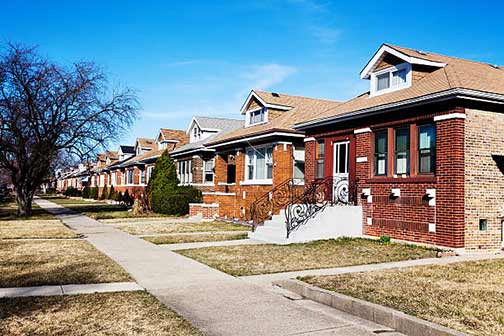
Living in an older home sometimes feels like a mixed bag of blessings for its owner. On one hand, older homes are set in locations with the ambiance rarely found in newer homes. Their size and quaint designs make them stand out in ways that boost the property’s value, says The Coffey Group.
At the same time, however, older homes tend to suffer from many structural and systemic problems. Their major systems – electrical, plumbing, HVAC, etc. – are often outdated. As a result, the home often presents costly and sometimes unexpected problems for its owner.
As the owner or prospective owner of an older home in Chicago, you must be aware of the potential issues you will encounter in your building. To counter these problems, you must be more intentional about maintaining your home than the owner of a newer, less-problematic building. This is the only way to retain the qualities that make an older home attractive and valuable.
Plumbing systems in older homes
The plumbing system is the #1 place where problems are likely to happen in an older home. This makes perfect sense, since the pipes have been carrying water in and out of the home for goodness knows how long. It is normal for the pipes to degrade and malfunction.
What are the common plumbing issues found in older homes and how do you fix them?
- Worn-out fixtures
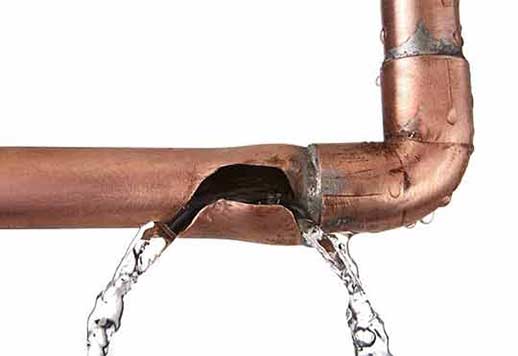
Faucets, valves, supply lines, and all components of the plumbing have a lifespan. Plumbing systems in older homes are often made of better materials, but those materials eventually wear out. These failing fixtures make the plumbing susceptible to leaks and increase the risk of a major plumbing disaster inside your home. Older plumbing fixtures should be replaced but if doing so will impact the aesthetics of your building, an experienced plumber can help you find a way around the problem.
- Outdated pipe materials
Many homes built before the 1990s contain materials not approved for use in homes in the USA. However, because the laws were passed after the houses were built and were not retroactively implemented, some of these materials are still found in older homes. If your home is more than 30 years old, the chances that you will find one of these 3 prohibited pipe materials in your plumbing are very high:
- Lead: Once a popular option for the construction of water pipes, lead has been banned since the Safe Drinking Water Act of 1986. This is because of lead’s toxicity; it causes bone, gastrointestinal, and nerve problems as well as, learning issues in people, especially small children.
- Galvanized pipes: These are iron pipes coated with a layer of zinc. They were common before the 1960s. The problem with galvanized pipes is that once the layer of zinc wears out, the iron corrodes and becomes brittle. The pipes can last up to 60 years, but most lines will be clogged with rust.
- Polybutylene: Once viewed as a viable replacement for copper pipes, the material was withdrawn from use in water pipes after it was found to be defective. Polybutylene pipes become flaky and brittle when they react with the oxidants in public water.
- Bad repairs in the past
If the plumbing was poorly installed or badly maintained in the past, it will affect its current performance. The pipes in your home will be more likely to leak and plumbing maintenance costs will be high. The only way to determine if you have this problem and the extent of the issues is to have a professional plumber inspect the system. Ultimately, you may need to do a wholesale overhaul of your plumbing because faulty installations and repairs only worsen with time.
- Sewer and drain issues
Tree root intrusion into sewer lines is a common problem in older homes. This is partly because older homes usually have well-established gardens with mature trees. It is also because older sewer lines are often made of materials vulnerable to tree root intrusion, such as clay or Orangeburg. The drains in the home may also have problems, due to decades-long accumulation of debris. To fix the issue, the sewer pipes should be camera inspected and cleaned professionally, or the home should be fully re-piped.
- Shifting pipes
Over time, buildings move slightly as they settle into the ground or as the structure of the underlying soil changes. These movements are imperceptible to the eyes but can affect the position of underground pipes, resulting in fractures, pipe bellies, and other issues that impact the flow of water. If your plumbing suffers from chronic leakages and blockages, this could be the root of the problem.
Finally, the above problems are why it is vital to do a comprehensive plumbing inspection when buying an older home. It is not only important to be aware of the problems in the home, it is vital to know how much it will cost you to fix the issues.
If you already bought the home, it is still crucial to tackle the plumbing problems. Neglected plumbing issues like the ones discussed in this post, may result in structural damage. Structural problems can impair the very things that make your older home unique and valuable.