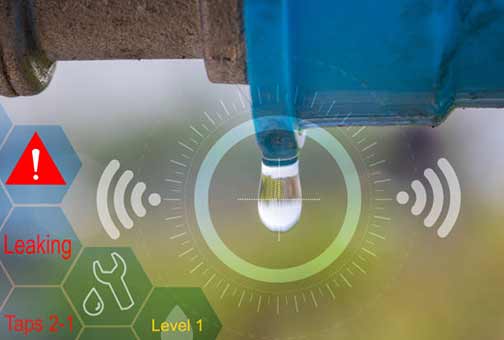
Water leaks are often underestimated by homeowners, yet they pose significant risks to both the structural integrity of a home and the health of its occupants. The importance of identifying and addressing water leaks cannot be overstated. Water damage can lead to costly repairs, mold growth, and even compromise the safety of your living environment. By understanding where leaks typically originate, homeowners can take proactive measures to prevent these issues and maintain a safe, dry, and healthy home.
Beyond the immediate damage, water leaks can contribute to long-term deterioration of building materials, leading to weakened structures and potential safety hazards. Moisture from leaks creates an ideal environment for mold and mildew, which can cause respiratory issues and other health problems for occupants. Recognizing the signs of water leaks and understanding their potential impact is crucial for every homeowner.
Moreover, identifying water leaks early can save homeowners from expensive repairs and replacements. When left unchecked, leaks can lead to extensive damage that requires significant financial investment to fix. By addressing leaks promptly, homeowners can protect their property and maintain its value.
Common Causes of Water Leaks in Homes: Understanding the Underlying Issues
Water leaks can arise from various sources within a home, each with its own set of causes and contributing factors. Understanding these common causes is the first step in effectively identifying and addressing leaks.
Plumbing issues are a primary source of water leaks. Aging pipes, improper installation, or high water pressure can lead to pipe bursts or slow leaks. Additionally, fixtures such as faucets, showers, and toilets may develop leaks due to worn-out seals or faulty components. Regular inspection and maintenance of plumbing systems can help identify potential problems before they escalate.
Roofing problems can also lead to water leaks. Damaged or missing shingles, poor flashing installation, and clogged gutters can allow water to seep into the home, causing damage to ceilings and walls. Regular roof inspections and maintenance can prevent these issues and ensure the longevity of the roof.
Foundation cracks and settling can create pathways for water to enter the basement or crawl space. This often results in moisture accumulation and potential flooding during heavy rains. Addressing foundation issues promptly can prevent water ingress and protect the structural integrity of the home.
Appliances such as dishwashers, washing machines, and water heaters can also be sources of leaks. Regularly checking these appliances for signs of wear and tear, and ensuring proper installation and maintenance, can prevent leaks and extend their lifespan.
Identifying Water Leak Hotspots: Key Areas to Monitor for Homeowners
To effectively prevent water leaks, homeowners should focus on monitoring specific areas within their homes where leaks are most likely to occur. These hotspots require regular inspection and maintenance to ensure early detection and prevention of water damage.
Each area of the home presents unique challenges when it comes to leak detection. By understanding these challenges and knowing where to look, homeowners can take proactive steps to safeguard their property.
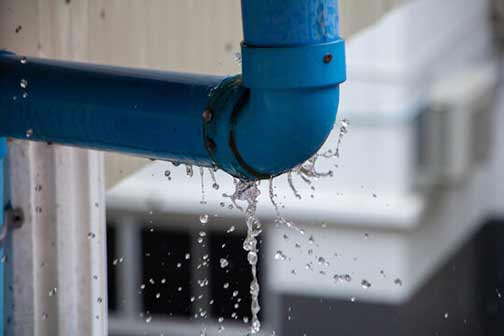
Plumbing System: A Critical Area for Leak Detection and Prevention
The plumbing system is a complex network of pipes and fixtures that runs throughout the home. It is crucial to regularly check for signs of leaks, such as water stains, mold growth, or unusual sounds coming from the pipes. Pay particular attention to areas around sinks, toilets, showers, and bathtubs, as these are common locations for leaks to develop.
Inspect the water heater for signs of corrosion or leaks around the base. Regular maintenance and timely replacement of worn-out components can prevent significant water damage. Additionally, checking for leaks in less obvious areas, such as behind walls or under floors, can help catch problems early.
Consider installing shut-off valves for individual fixtures to quickly address leaks when they occur. This can prevent extensive water damage and make repairs more manageable.
Roof and Attic: Preventing Water Intrusion from Above
The roof and attic are critical areas where water leaks can originate. Regularly inspect the roof for damaged or missing shingles, and ensure that flashing around chimneys and vents is properly installed and intact. Clean gutters and downspouts to prevent water buildup and ensure proper drainage.
In the attic, look for signs of water intrusion, such as damp insulation or water stains on the ceiling. Address any issues promptly to prevent further damage to the home’s interior. Proper ventilation in the attic can also help prevent moisture buildup and reduce the risk of leaks.
Consider investing in a roof inspection by a professional to identify potential issues that may not be visible from the ground. This can provide peace of mind and help prevent costly repairs in the future.
Basement and Foundation: Safeguarding Against Water Entry
The basement and foundation are susceptible to water leaks due to their proximity to the ground. Check for signs of moisture or water accumulation, especially after heavy rainfall. Seal any cracks in the foundation and ensure proper drainage around the home’s perimeter to prevent water from seeping in.
Consider installing a sump pump to manage excess water and prevent flooding in the basement. Regularly inspect and maintain the pump to ensure it functions effectively during emergencies. Additionally, installing a dehumidifier in the basement can help control moisture levels and prevent mold growth.
Ensure that the ground around the home slopes away from the foundation to direct water away from the structure. This simple measure can significantly reduce the risk of water entry and protect the foundation.
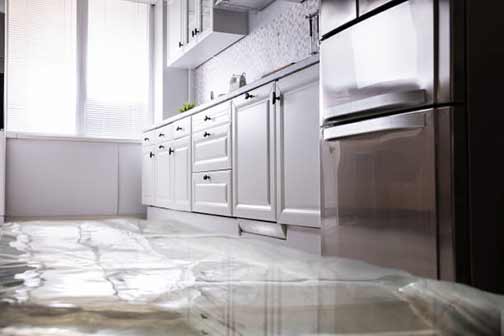
Bathrooms and Kitchens: High-Risk Areas for Water Leaks
Bathrooms and kitchens are high-risk areas for water leaks due to the presence of numerous plumbing fixtures. Regularly inspect faucets, sinks, showers, and toilets for signs of leaks or drips. Address any issues promptly to prevent water damage and mold growth.
Check under sinks for signs of moisture or water stains, which may indicate a leak in the plumbing connections. Ensure that dishwasher and washing machine hoses are properly connected and free from damage. Replacing old or damaged hoses with high-quality, braided stainless steel hoses can reduce the risk of leaks.
In bathrooms, inspect the caulking around bathtubs and showers to ensure it is intact and free from cracks. Re-caulking as needed can prevent water from seeping into walls and causing damage.
Preventive Measures and Routine Maintenance: Protecting Your Home
Preventive measures and routine maintenance are essential in safeguarding your home against water leaks. Regularly inspect and maintain plumbing fixtures, roofing, and drainage systems to ensure they are in good condition. Consider investing in water leak detection devices that can alert you to potential issues before they escalate.
Educate yourself and your household members about the signs of water leaks and the importance of early detection. By taking proactive steps, homeowners can minimize the risk of water damage and maintain a safe and healthy living environment.
Additionally, conducting regular home inspections, either personally or by hiring a professional leak detection service, can help identify potential issues before they become major problems. Keeping a maintenance schedule can ensure that all areas of the home are regularly checked and maintained.
Conclusion: Ensuring a Leak-Free Home for Peace of Mind
Identifying water leak hotspots in your home is a crucial aspect of maintaining its structural integrity and ensuring the safety of its occupants. By understanding the common causes of leaks and regularly monitoring key areas, homeowners can prevent costly damages and create a secure living environment. Through preventive measures and routine maintenance, you can enjoy peace of mind knowing your home is protected against the threat of water leaks.
Taking the time to understand and address potential water leak sources can save homeowners from significant financial and emotional stress. A proactive approach to home maintenance not only protects your investment but also ensures a safe and comfortable living environment for you and your family.
By fostering a culture of awareness and responsibility within your household, you can empower everyone to contribute to maintaining a leak-free home. This collective effort can lead to a more resilient and sustainable living environment for years to come.