Understanding the Problem: Why Your Dishwasher Might Not Drain
A dishwasher that refuses to drain can be a frustrating issue, disrupting the smooth flow of your daily routine. Understanding the root cause of this problem is the first step towards an effective solution. Common reasons for a dishwasher not draining include a clogged filter, a blocked drain hose, or issues with the garbage disposal. By identifying the specific issue, you can apply the most efficient solution and restore your dishwasher to optimal functioning.
Dishwashers are designed to make life easier, but when they malfunction, they can become a source of annoyance. The inability to drain properly is a common problem that can arise due to several factors. One of the most frequent causes is a clogged filter, which accumulates food particles and debris over time. This blockage prevents water from flowing freely, leading to drainage issues. Another common culprit is the drain hose, which can become kinked or obstructed. In some cases, the problem may lie with the garbage disposal, especially if the dishwasher is connected to it. Understanding these potential causes is crucial in diagnosing the issue and implementing the right solution.
Basic Troubleshooting Steps: Initial Checks to Perform
Before getting into complex repairs, it’s essential to perform some basic troubleshooting steps. Start by inspecting the dishwasher’s filter and drain area for any visible blockages. Remove any food particles or debris that might be obstructing the flow of water. Additionally, ensure that the drain hose is not kinked or bent, as this can impede proper drainage.
When faced with a dishwasher that won’t drain, it’s important to start with the basics. Begin by checking the filter, which is typically located at the bottom of the dishwasher. Remove it and clean any accumulated debris that might be causing a blockage. Next, examine the drain hose, ensuring it is properly connected and free of any bends or kinks that could restrict water flow. If your dishwasher is connected to a garbage disposal, make sure the disposal is running smoothly and that no obstructions are present. These initial checks can often resolve minor drainage issues without the need for professional assistance.
Cleaning the Dishwasher Filter: A Simple Yet Effective Solution
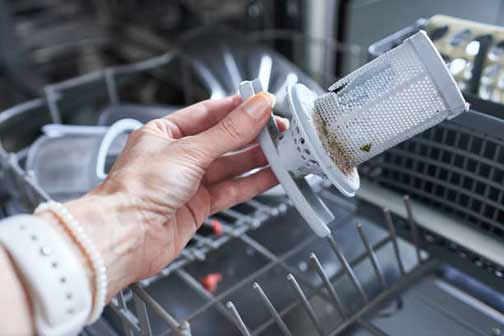
The dishwasher filter plays a crucial role in trapping food particles and preventing them from clogging the drain. Over time, the filter can become clogged itself, leading to drainage issues. To clean the filter, remove it from the dishwasher and rinse it thoroughly under running water. Use a soft brush to remove stubborn debris, ensuring the filter is free of any obstructions before reinstalling it.
Maintaining a clean filter is essential for the efficient operation of your dishwasher. A clogged filter not only affects drainage but can also impact the overall performance of the appliance. To clean the filter, first remove it from its housing, which may require unscrewing or unlocking it from its position. Once removed, rinse the filter under warm running water, using a soft brush to dislodge any stubborn particles. Be thorough in your cleaning to ensure all debris is removed. After cleaning, reinstall the filter securely, taking care to align it correctly. Regular cleaning of the filter is a simple yet effective way to prevent drainage issues and maintain the optimal functioning of your dishwasher.
Inspecting the Drain Hose: Ensuring Unobstructed Water Flow
The drain hose is responsible for carrying wastewater away from the dishwasher. If it becomes blocked, water will not be able to drain properly. To inspect the drain hose, disconnect it from the dishwasher and the sink drain. Check for any clogs or blockages, using a long, flexible brush to clear any debris. Reattach the hose securely, ensuring it is free of kinks or bends that could impede water flow.
A blocked drain hose can significantly hinder the drainage process, causing water to back up into the dishwasher. To inspect the hose, first disconnect it from both the dishwasher and the sink drain. This may require loosening clamps or unscrewing connections. Once detached, examine the hose for any visible obstructions or kinks. Use a long, flexible brush to clear any debris that may be lodged inside. Pay special attention to bends in the hose, as these are common areas for blockages to occur. After ensuring the hose is clear, reattach it securely, making sure there are no bends or kinks that could impede water flow. Regular inspection and maintenance of the drain hose are vital for preventing drainage issues and ensuring smooth operation of your dishwasher.
Checking the Garbage Disposal: A Common Culprit
If your dishwasher is connected to a garbage disposal, a blockage in the disposal can prevent proper drainage. Ensure the disposal is clear by running it with water for a few minutes. Additionally, check that the knockout plug has been removed if the dishwasher is newly installed. This small plastic piece can block the connection between the dishwasher and the disposal, preventing water from draining.
Garbage disposals are a convenient addition to any kitchen, but they can sometimes contribute to dishwasher drainage problems. When a dishwasher is connected to a disposal, a blockage in the disposal can impede the flow of water from the dishwasher. To address this, first ensure the disposal is clear by running it with water for a few minutes. This can help dislodge any debris that might be causing a blockage. If your dishwasher is newly installed, check that the knockout plug—a small plastic piece that blocks the connection between the dishwasher and the disposal—has been removed. Failure to remove this plug can prevent water from draining properly. Regular maintenance and checks of the garbage disposal are important for preventing drainage issues and ensuring efficient operation of your dishwasher.
Advanced Techniques: Tackling Stubborn Clogs
For more stubborn clogs, advanced techniques may be necessary. One effective method is to use a mixture of baking soda and vinegar. Pour a cup of baking soda into the dishwasher drain, followed by a cup of vinegar. Allow the mixture to sit for 15-20 minutes, then flush with hot water. This natural solution can help break down grease and debris, clearing the drain.
Sometimes, basic troubleshooting steps may not be sufficient to resolve drainage issues, especially if the clog is particularly stubborn. In such cases, more advanced techniques may be required. One popular method involves using a mixture of baking soda and vinegar, which can help break down grease and debris. Start by pouring a cup of baking soda into the dishwasher drain, followed by a cup of vinegar. The combination of these two ingredients creates a chemical reaction that can help dislodge stubborn clogs. Allow the mixture to sit for 15-20 minutes, then flush the drain with hot water to clear any remaining debris. This natural solution is not only effective but also environmentally friendly, making it a great option for tackling tough clogs.

Examining the Dishwasher Pump: Ensuring Proper Function
The dishwasher pump is responsible for moving water through the appliance. If the pump is faulty, it may not be able to push water out effectively. To examine the pump, you may need to remove the dishwasher’s lower panel and access the pump assembly. Check for any visible damage or blockages, and consider calling a plumber near you if repairs are necessary.
The dishwasher pump plays a crucial role in the drainage process, as it is responsible for moving water through the appliance. If the pump is malfunctioning, it may not be able to push water out effectively, leading to drainage issues. To examine the pump, you may need to remove the dishwasher’s lower panel to access the pump assembly. This process may require unscrewing or unlocking the panel, so be sure to follow the manufacturer’s instructions carefully. Once you have access to the pump, check for any visible damage or blockages that may be affecting its performance. If you notice any issues, consider contacting a local plumber for repairs. Proper maintenance and inspection of the dishwasher pump are essential for ensuring efficient operation and preventing drainage problems.
Preventative Measures: Keeping Your Dishwasher in Top Condition
Preventing drainage issues before they occur is the best way to ensure your dishwasher runs smoothly. Regularly clean the filter and inspect the drain hose for blockages. Avoid overloading the dishwasher, as this can lead to food particles getting trapped in the filter. Additionally, run hot water in your sink before starting the dishwasher to ensure the drain is clear.
Preventative measures are key to maintaining the optimal functioning of your dishwasher and preventing drainage issues. Regular cleaning of the filter is essential, as it helps prevent the accumulation of food particles and debris that can lead to blockages. Additionally, inspect the drain hose regularly to ensure it is free of obstructions and kinks. Avoid overloading the dishwasher, as this can cause food particles to become trapped in the filter, leading to drainage problems. Running hot water in your sink before starting the dishwasher can also help clear the drain and ensure smooth operation. By implementing these preventative measures, you can extend the life of your appliance and avoid the frustration of drainage issues.
When to Call a Professional: Knowing Your Limits
While many drainage issues can be resolved with basic troubleshooting and maintenance, some problems may require professional intervention. If you’ve exhausted all DIY options and your dishwasher still refuses to drain, it may be time to call a plumber. A qualified plumber can diagnose and repair more complex issues, ensuring your dishwasher is back in working order.
Although many dishwasher drainage issues can be resolved with basic troubleshooting and maintenance, there are times when professional intervention is necessary. If you’ve tried all DIY methods and your dishwasher still refuses to drain, it may be time to seek the help of a plumber. Plumbers have the expertise and tools to diagnose and repair more complex issues that may be beyond the scope of DIY solutions. Whether it’s a faulty pump, electrical problems, or other intricate issues, a professional can ensure your dishwasher is back in working order. Knowing your limits and when to call for professional plumber for help is essential for maintaining the efficient operation of your appliance.
Conclusion: Achieving Efficient Solutions for a Stubborn Dishwasher Drain
Addressing a non-draining dishwasher requires a combination of understanding the problem, performing basic maintenance, and knowing when to seek professional help. By following these steps, you can efficiently resolve drainage issues and keep your dishwasher running smoothly. Regular maintenance and preventative measures will not only extend the life of your appliance but also save you time and frustration in the long run.
In conclusion, dealing with a stubborn dishwasher drain involves a comprehensive approach that includes understanding the problem, performing basic troubleshooting, and knowing when to call for professional assistance. By following the outlined steps, you can effectively resolve drainage issues and ensure the smooth operation of your dishwasher. Regular maintenance and preventative measures are crucial for extending the life of your appliance and avoiding the inconvenience of drainage problems. With the right approach, you can achieve efficient solutions and enjoy the convenience of a fully functional dishwasher.