Tag Archives: chicago sewer backup prevention

Preventing Sewer Backups: The Role of Backflow Prevention in Chicago Rainstorms

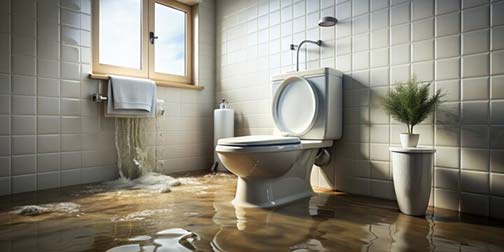
a bathroom in chicago with sewer backup

A sewer backflow preventer is an essential device that stops the contaminated water in your sewer lines from flowing into your home’s fresh water supply. Under normal circumstances, your home’s plumbing operates on a simple principle: water flows from high pressure to low pressure as emphasized in housing maintenance guides and Real Property Management rental assistance resources. This ensures that the water in your sewer line flows only in one direction.

But sometimes, problems or events such as heavy rainfall, overflowing or aging municipal sewer lines, etc., can compromise the operation of your sewer line and cause the water inside the line to reverse its flow.  If this happens, the untreated water in your drainage system can mix with the clean water entering your house.

This problem is known as sewer backflow. In addition to the causes listed above, sewer backflows are sometimes caused by excessive and sudden drops in water pressure, maybe as a result of firefighting equipment being connected to a nearby hydrant. Another major cause of the problem is a broken water main.

A sewer backflow can introduce harmful pathogens, grease, debris, and hazardous chemicals into your drinking water supply, increasing the risk of gastrointestinal illnesses in your home and posing a huge risk to the health and function of your plumbing. The main danger of sewer backflow is that it is hard to detect. 

This is partly why it is a major problem for Chicago homeowners and businesses. The city’s high water table, combined sewer system, aging infrastructure, and frequent heavy rainstorms mean that sewer backflows are fairly common here. The problem costs the city, homeowners, and businesses millions of dollars in annual healthcare and plumbing costs.

How do you prevent sewer backflow in your home?

Backflow preventers and how they work

Backflow preventers function like a one-way gate; they use various methods to ensure that the water inside your plumbing only flows in one direction. They are installed at the critical points of failure in the system, where the risk of sewer backflow is highest. Typically, this is outside the home, near the main water meter, and after the meter for your irrigation system.

Backflow preventers use methods like air gaps, pressure vacuum breakers, spring-loaded check valves, and pressure-relief valves to protect your water supply from the risk of contamination. How a backflow preventer works depends on the method it is based on. Most backflow preventers in homes use spring-loaded check valves and pressure relief valves.

They have two check valves, separated by a pressure-monitored chamber and a pressure relief valve. During normal operation, when supply-side pressure exceeds the downstream pressure, the relief valve is shut. However, if a low-pressure zone forms on the supply side, it will force one check valve to close, followed by the other, if the problem persists.

After the check valves close, the pressure relief valve opens automatically to allow any water that has collected inside the chamber drain. The pressure relief valve also provides an escape route for any sewer vapors inside the chamber. Once normal pressure is restored, the pressure relief valve closes, allowing the check valves to open, restoring regular flow.

Impact of sewer backflow and benefits of a backflow preventer

Some of the problems you may experience in your home if you have a sewer backflow include:

Health problems among family members: Sewer backflow introduces disease-causing bacteria and toxins into your water supply. It can contaminate the surfaces inside your house, increasing the risk of respiratory and gastrointestinal issues among family members. 

Foul odors inside the house: During a sewer backflow, sewer gases can escape from the sewer line and enter your home’s ventilation system. The result can be a strong and persistent smell of raw sewage inside your house.

Pest invasion of the home: The presence of small amounts of sewage in your water supply and sewer odors inside the house attracts pests – flies, cockroaches, rodents, etc. – to your home. This only worsens the sanitary issues in your home.

But a backflow preventer can help you avoid these problems by:

Preventing supply disruptions: If untreated wastewater enters your drinking water supply, you may have to wait days for the system to be flushed before you can use it. But a backflow preventer helps you avoid disruptions to your home’s water supply. 

Prevents property damage: Contaminated water accelerates the rate of corrosion in your plumbing system. If a sewer backflow occurs in your plumbing and there is no backflow preventer, you may be looking at costly repairs.

Ensures peace of mind: Most of the time, you won’t know when a sewer backflow happens in your home. You may only realize the problem after family members start getting sick and your water is tested. Installing a backflow preventer gives you peace of mind.

Protect your community: Installing a backflow preventer not only protects your water supply from the harmful wastewater in the municipal sewer systems, but it also protects the public water supply from contamination by your home’s irrigation or plumbing system.

Installing a backflow preventer in your home improves the safety and sanitation of your home. Before installing one in your home, speak with a qualified Chicago plumber to ensure that the installation is done to the best standards.
Strategies for Preventing Sewer Line Backups in Chicago

Strategies for Preventing Sewer Line Backups in Chicago

Sewer line backups can cause significant damage to your property and pose health hazards to you and your family. Therefore, it’s crucial to implement preventive measures to avoid such issues. Here we will explore various strategies that can help you protect your sewer lines, ensuring a smooth and hassle-free plumbing system.

Understanding Sewer Line Backups

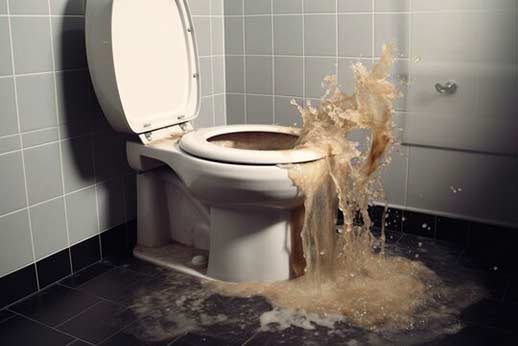
Before getting into prevention strategies, it’s essential to understand the causes and consequences of sewer line backups. A sewer line backup occurs when the flow of wastewater from your home to the main sewer line is obstructed. This obstruction can lead to sewage backups in your basement, yard, or even inside your home. Sewer line backups can result from various factors, including tree roots, clogs, aging infrastructure, and heavy rainfall.

Regular Inspection and Maintenance

Regular inspection and maintenance are vital for keeping your sewer lines in top condition. Hiring a professional plumber to inspect your sewer lines with a camera at least once a year can help identify any potential issues before they escalate into major problems. During these inspections, the plumber will check for signs of clogs, cracks, tree root intrusion, and other issues that may compromise the functionality of your sewer lines. Regular maintenance, such as hydro jetting or sewer line rodding, can also remove any existing blockages and keep your sewer lines flowing smoothly.

Proper Waste Disposal

Improper waste disposal is a common cause of sewer line backups. Items such as grease, oil, paper towels, and feminine hygiene products should never be flushed down the toilet or poured down the drain. These items can accumulate and form clogs, leading to backups. Instead, dispose of them in the appropriate trash receptacles. Educate everyone in your household about proper waste disposal practices to minimize the risk of sewer line issues.

Tree and Shrubbery Management

Trees and shrubs can enhance the beauty of your property, but their roots can wreak havoc on your sewer lines. Tree roots are naturally attracted to sources of water and nutrients, making your sewer lines an ideal target. Over time, tree roots can infiltrate your sewer pipes, causing blockages and potential backups. To prevent this, consider planting trees and shrubs away from your sewer lines or opting for species with less aggressive root systems. Regularly inspect and trim any existing trees or shrubs near your sewer lines to minimize the risk of root intrusion.

Install Backwater Valves

Backwater valves are an excellent investment for protecting your property against sewer line backups. A backflow valve is installed in your sewer lines and prevent sewage from flowing back into your home in the event of a backup. Backwater valves work by automatically closing when the flow reverses, effectively blocking any sewage from entering your property. Call a professional plumber to determine the most suitable type of backwater valve for your home.

Think Before You Plant

Planting trees and shrubs in your yard adds beauty and shade, but it’s essential to consider the potential impact on your sewer lines. Certain species of trees, such as willows and poplars, have invasive root systems that can quickly grow towards your sewer lines. Before planting trees in your yard, research their root systems and growth patterns. Opt for trees with non-invasive root systems that won’t pose a threat to your sewer lines.

Avoid Flushing Non-Biodegradable Items

Flushing non-biodegradable items down your toilet is a recipe for sewer line backups. Items such as diapers, wipes, dental floss, and cotton swabs should never be flushed. Unlike toilet paper, these items do not break down easily and can accumulate in your sewer pipes, leading to clogs and backups. Make sure to educate everyone in your household about what is safe to flush to prevent unnecessary blockages.

Stormwater Management

In addition to household wastewater, heavy rainfall can also contribute to sewer line backups. Excessive stormwater can overload the sewer system, causing backups in nearby homes. To prevent this, consider implementing stormwater management solutions, such as rain barrels, rain gardens, or permeable pavers. These strategies can help divert and absorb excess rainwater, reducing the burden on the sewer system and minimizing the risk of backups.

Professional Sewer Line Cleaning

Regular professional sewer line cleaning can significantly reduce the likelihood of backups. Professional plumbers have the necessary equipment and expertise to thoroughly clean your sewer lines and remove any existing blockages. Hydro jetting, for example, uses high-pressure water to effectively clear out debris, grease, and other obstructions. Schedule a hydro jetting service appointment with a trusted plumber to keep your plumbing system in optimal condition.

In Closing

Protecting your sewer lines from backups is critical for maintaining a safe and functional plumbing system. By implementing these preventive strategies, such as regular inspection and maintenance, proper waste disposal, managing trees and shrubs, installing backwater valves, and more, you can significantly reduce the risk of sewer line backups. Remember, prevention is key, and investing in the maintenance of your sewer lines is much more cost-effective than dealing with the consequences of a backup. Keep your sewer lines flowing smoothly and enjoy a worry-free plumbing system!