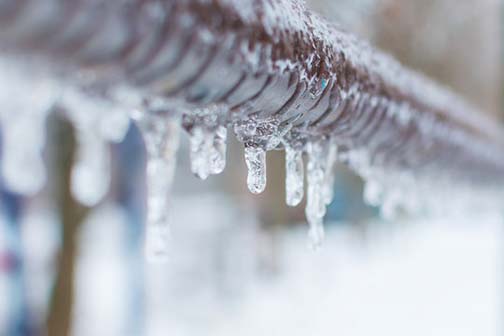
Chicago is famous for its unpredictable weather. In some weeks, you can experience all four seasons of the year within seven days. One moment it feels like fall, and the very next one, you are caught in a snowstorm. Two days later, you may have daytime temperatures reaching 70°F.
There are many geographic reasons why these massive variations in weather happen in the city, but they don’t matter for your home’s plumbing. RENTit Colorado notes that the unpredictable and sometimes extreme nature of Chicago’s weather means that plumbing systems in this city are under a lot of strain.
Inconsistent weather conditions make it hard for homeowners to know which preventive measures to take to protect their plumbing. The result is that plumbing systems in Chicago homes are highly prone to emergencies: frozen pipes, sewer backups, and burst water lines.
In this guide, we explain the critical plumbing preps every Chicago homeowner must understand to fortify their plumbing systems and prevent or minimize emergencies in their home.
Emergency plumbing preps for Chicago homes
- Scheduled professional plumbing inspections
Weather events such as deep freezes and heavy precipitation may have unexpected negative consequences on the function and physical condition of your plumbing. These problems can go unnoticed until they cause plumbing emergencies in your home. Scheduled professional plumbing inspections help to prevent this.
You should not wait until problems arise before inspecting the plumbing. Have the system checked at preplanned intervals, whether there are issues or not. This will help you catch problems at their early stages and also let you solve them fairly easily. What should be the focus of these inspections?
Sewer lines ought to be a major focal point due to the impact of sewer line issues on your home and the cost of fixing those problems. Inspect water heaters and water lines for early signs of corrosion, leaks, and other issues. Check the home’s water pressure for potential failure.
Also, remember to replace worn-out or aged components in the plumbing. For the best results, this inspection should be done by a local plumber in Chicago. Inspections should be done at least once a year for older homes and every two years for newer buildings.
- Clean and maintain gutters, downspouts, and exterior drains
Exterior drainage systems are another critical point of failure in your plumbing. Clogged and leaky gutters can lead to excessive weight on brackets and fascia. In cold weather, they may cause ice dams or let water penetrate the inner structures of your roof. Damaged or malfunctioning downspouts can cause basement flooding and foundation damage.
Before the onset of winter and spring, clean your gutters and downspouts. If there are damaged or loose sections, fix them. Downspouts should extend at least 4-6 feet from the foundation and connect to properly installed drainage systems with pop-up emitters. Clear debris from the exterior drain grates to ensure efficient water removal after heavy rains or snowmelt.
- Protect vulnerable pipes
In the harsh Chicago winters, the plumbing pipes most likely to freeze are those in the unheated spaces of your home (basements, crawl spaces, and garages) as well as pipes that are along or in contact with the building’s exterior walls. These pipes are not only prone to freezing, but they can also transport cold from the outside to the inside of the house allowing for a potential burst pipe emergency.
To shield exposed pipes from the weather, insulate them with foam pipe insulation, pipe sleeves, or fiberglass. For pipes in particularly cold areas of your home, wrapping them with electric heat cables may offer better protection. You also want to seal gaps in your doors and windows or on the exterior walls of your building.
- Test and service your sump pump before storm season
Heavy rainfall in spring and summer poses a major flood risk for your basement. Protect your home; ensure that your sump pump is ready for this challenge. Inspect the sump pump system, from float switches to check valves, discharge lines, and other components. Clean the sump pump and sump basin to keep dirt from blocking the inlet.
Test the sump pump by pouring a 20-liter bucket of water into the basin to see if it will come on. While it is pumping, listen for any strange noises and wait to ensure that the sump pump shuts down after emptying the pit. Check if the discharge pipe is discharging into the right location. Consider adding a battery-powered sump pump as a backup.
- Know the location of your main water shut-off valve
If a plumbing emergency happens in your home, such as a burst pipe, you want to quickly cut off the water supply to minimize damage. To do this, you must know the location of your main water shut-off valve and how to use it. If you plan to travel during winter, this is where you can shut off the water supply to prevent freeze damage while you are away.
Chicago’s extreme weather is a reality you can’t do anything to change. But with the help of a reputable Chicago plumber, you can stop the weather from damaging your plumbing and home.
