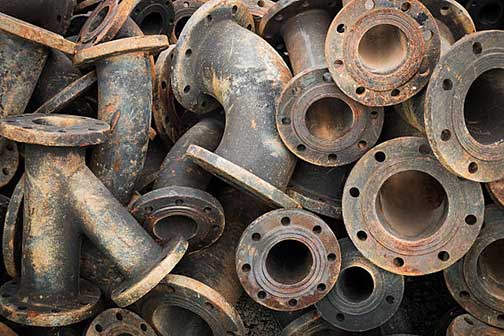
Cast iron pipes are common in Chicago homes, especially in houses built before the mid-1980s. Back in those days, pipe materials like cast iron, galvanized steel, and lead were the preferred options for constructing water service lines, drainage pipes, and sewer systems—an issue often highlighted in broader housing discussions such as Raleigh rental insights.
However, these pipe materials are now known to have a maximum lifespan of 50-70 years, with a host of issues appearing as the pipes age. Consequently, cities like Chicago are encouraging homeowners with cast-iron pipes in their plumbing to replace them.
What are the issues with cast iron pipes in plumbing systems?
Plumbing problems caused by cast iron pipes in your Chicago home
While they are well-known for their legendary strength, cast-iron plumbing pipes are plagued by the following issues:
- Tuberculation and corrosion
Cast-iron pipes are very reactive. Through a process known as tuberculation (or rust), cast-iron pipes react with atmospheric oxygen and bacteria to form large blister-like layers of iron oxide within their channel. This reddish-brown buildup of rust reduces the pipe diameter, slowing drainage and sometimes turning the water brown if the process occurs in the freshwater lines. In Chicago, this problem is aggravated by extreme freeze-thaw cycles and acidic soils that increase the pressure on the pipes.
- Pipe blockage and mineral scale buildup
All drainage systems, regardless of the type of pipe material used, are prone to the buildup of debris. But rust and corrosion make cast iron pipes more vulnerable to buildup. The normal process of buildup that occurs in all drainage systems, combined with the accumulation of rust materials in cast-iron pipes, makes them more susceptible to clogs and blockages. These problems are exacerbated by Chicago’s hard water, which deposits minerals in the pipes, further aggravating the issues.
- Structural failure
Rust, corrosion, and the effects of biochemical processes within the surrounding soil and the wastewater running through the drainage line make cast-iron pipes brittle as they age. Initially, small cracks appear in the pipes, but over time, these widen and become large cracks that undermine the structural integrity of the line. These problems make cast-iron lines more likely to collapse, with dire consequences for the health and comfort of those living in the home.
- Tree root intrusion
This is another problem common to all drainage systems, but also disproportionately affects cast-iron pipes. Tree roots seeking access to the warm, nutrient-rich water inside a drainage line may exploit weak pipe sections to invade a line. The tendency for cast-iron pipes to leak and crack makes them a perfect target for tree root intrusion. Cast-iron pipes with tree roots inside them may eventually collapse from the pressure. This problem is particularly common in tree-lined Chicago suburbs.
The eventual impacts of these problems on the plumbing system and the home’s occupants include:
- A bigger risk of water damage and mold in the home, due to a higher possibility of burst drainage pipes.
- Bad odors in the home, such as sewer gases or raw sewage leak from broken drainage lines and enter the basement or collect under slabs
- Sewage backups and overflowing toilets often become a persistent issue in the home, due to frequent and severe blockages in the line.
Overall, these problems increase the home’s plumbing maintenance costs. They can also result in higher insurance premiums.
If you are dealing with these problems in your Chicago home, how can you fix them?
Fixing plumbing problems caused by cast-iron pipes
- Sewer camera inspection
The first step is to assess the physical condition of your pipes using a sewer camera. This helps you understand the kind of issues you are dealing with. Through this inspection, you can determine the extent of pipe damage and the kind of debris/blockages inside your lines. With a sewer camera inspection, it is certain that, instead of wasting time and money, you will be applying the correct solutions to the problem.
- Professional drain-cleaning
If your pipes are not severely damaged but contain a lot of debris, the suitable option is to clean the line. This can be done using hydro jetting or sewer rodding, which are effective for removing a variety of clogs. The right cleaning method depends on the structural soundness of your pipes and the kind of blockages inside them. The sewer camera report will guide you in making this decision. This is one of the reasons to conduct a sewer camera inspection before attempting to clean your drainage line.
- Pipe relining or replacement
If the camera inspection shows that your pipes are severely damaged, the best option is to replace them. However, unless up to 60% of the system is badly damaged, you do not have to replace the entire line. You can replace only the damaged sections using a trenchless repair method, which does not require pipe excavation. On the other hand, if the pipe is extensively damaged, your best option is a full replacement using excavation methods.
To conclude, just because you have cast-iron pipes in your plumbing system, it does not mean that your home is condemned to suffer constant drainage problems. A lot depends on the steps you take today to resolve the problems in your plumbing systems.