Tag Archives: burst pipes in chicago

Emergency Steps for a Burst Pipe in Roscoe Village, Chicago

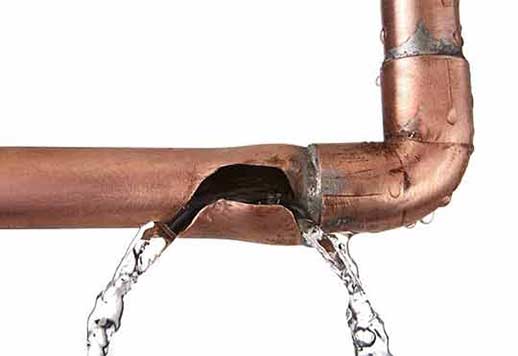
a burst pipe in need of repair

A burst pipe in your home can start as a minor issue before escalating into a major emergency. One minute, you are dealing with a trickle of water from a ruptured pipe section, and the next thing, water is gushing out of your plumbing and soaking your entire home.

For homeowners in Roscoe Village, Chicago, burst water pipes are a real problem, especially in winter, when subzero temperatures and freezing winds put plumbing systems under enormous pressures. Dealing with a burst pipe in your home requires both speed and insight, notes Premier Property Management.

Here are practical steps for dealing with this problem.

  1. Ensuring safety

Ensure the safety of you and your household: If the incident has resulted in injuries to anyone or you think there is a risk of a fire, please call 911 immediately. Do not step into the water if you think it is in contact with an electrical outlet or appliance. Before attempting anything, turn off the power at the breaker. First, ensure the water did not touch the breaker. Wear rubber gloves and boots when doing this.

Shut the water supply: If water is still being discharged into your home, turn off the water supply to your home at the main water shut-off valve. In most Chicago homes, you will find this plumbing feature inside your home (under a sink or near the water heater) or outside on the street-facing side of the house. If you can’t find the main water shut-off or the dedicated shutoff valve for the broken water pipe, try stopping the leak with a temporary measure like pipe repair clamps or duct tape.

  1. Minimize damage

Remove your valuables: Move all items that can be damaged by water out of the reach of the water. But don’t bother about items that are already wet. You can minimize damage to furniture by moving it, preferably out of the house, where it can get some air. Do not forget to remove important documents. Items that are vulnerable to water damage should be placed on top of something or moved outside or to a dry part of the house.

Document the damage: Even if it doesn’t feel like the right time to do it, document the damage to your home. A video walkthrough of the affected area with your Smartphone should be enough. Make sure the video is clear; do not forget to show the burst pipe that needs repair and resulting damage clearly. Add a commentary to the video to make it easier to understand. This information will come in handy later when filing your insurance claims.

Remove the water: Using mops, buckets, rags, or whatever is available, try to remove as much of the water as you can from your flooring. The longer the water stays inside your house, the more time it has to damage your building. If you have a wet/dry vacuum or you can get your hands on one, it will make your work a lot easier. 

  1. Inform others and get help

Call an emergency plumber: Emergency plumbers offer 247 service, and they can come out to fix the problem in your home at night, on weekends, and on holidays. If you don’t know any emergency plumbers in your area, ask anyone who can help. You may also want to inform your regular plumber; they can send you the contact of an emergency plumber and arrange to visit your home later to ensure the problem is solved permanently.

Inform the insurance company: Ideally, you should inform your insurance company as soon as the event occurs. Depending on your policy and the cause of the burst pipe, you may or may not be able to file a claim. When filing your claim, the video and photos you captured earlier will help you. When calling the insurance company, know that you don’t have to answer all their questions about the details of the emergency, unless you have them and are sure of your answers.

Remove water-damaged materials: These are items that have soaked up water and cannot be saved. Examples include carpets, padding, insulation, and porous materials that trap moisture. Failing to remove and discard these items increases the risk of mold and rot in your home. Do not throw away any of these items until you have completed the insurance claims filing process.

Start drying your home: Depending on how much water was released into the house and how long it stayed inside your home before being removed, you may be able to do this process yourself or need a professional water remediation service. Using a combination of fans, dryers, and dehumidifiers can start the process of drying the surfaces in your home that have been infiltrated by water. Keep windows open during this time to increase air circulation.

Lastly, take steps to prevent a recurrence of the problem. Find out why your pipe burst. If the water pipes in your home are exposed to the cold winter air, take steps to protect them. Have a professional plumber inspect your home to assess the health of your plumbing, to preempt future problems.

Are you in need of help with a burst pipe in the Roscoe Village area of Chicago or surrounding area? We can help! Call us today at 773-599-9181!
How to Prevent Burst Pipes in Lincoln Park, Chicago

how to prevent burst pipes in lincoln park

Winter temperatures in Chicago are consistently ranked among the highest in the United States. With temperatures regularly plunging below the freezing point, keeping water pipes safe during winter can be a huge challenge for homeowners in Lincoln Park.

Frozen pipes in the dead of winter mean that all or some parts of your home will have to go without water for extended periods, says Sunnyside Properties. This problem doesn’t always end after the pipe has thawed because frozen pipes can quickly become burst pipes that cause water damage to your home.

The major challenge with frozen pipes is the problem often happens without prior warning. Pipes in the unheated spaces in your home can freeze and thaw all by themselves. The only sign you will have of the event is that you may be left with a burst pipe inside the house.

Is there a way to prevent this problem? Thankfully, there are several things you can do to stop your pipes from bursting during winter. Some of these steps involve using items you already have in your home. Others may require you to buy some stuff. But all are fully explained below.

Steps for preventing burst pipes in your Lincoln Park, Chicago home

Temporarily block crawlspace vents

During winter, crawlspaces act as entry points for cold drafts that increase the risk of frozen pipes in your home. A cold crawlspace can cool your floors and increase heating costs. To stop this problem, it is best to seal off crawlspace vents for winter. If your crawlspace has a dirt floor, you may want to cover it with a good vapor barrier before doing this. Alternatively,  you can insulate your subfloor. Polystyrene foam is a great material to use if you want to block the vents in your crawlspace.

Insulate exposed pipes

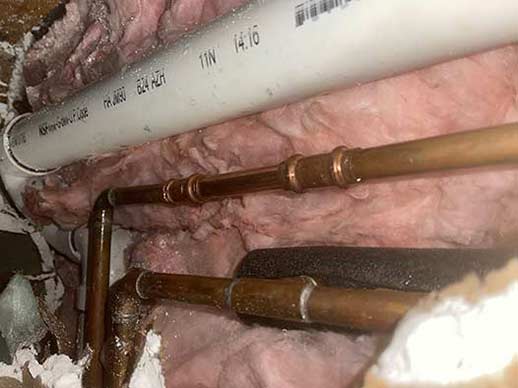
Even if your home is heated, exposed pipes in the crawlspace, garage, basement and other unheated spaces can still cause your pipes to freeze. To prevent this, you want to insulate all the pipes that bring water into your home. For ease of installation and affordability, you should use foam insulation. It is easy to work with and will fit around corners. You also want to seal the cracks and openings where pipes penetrate the walls of your home. 

Disconnect and drain garden hoses and outdoor faucets

This will prevent water damage to these fixtures and lower the risk of frozen pipes inside your home. To do this step, locate the shut-off valve for the outdoor faucet and turn it clockwise to close it. Disconnect the hose, lower one end and lift the other to drain it. Make sure there is no water left inside the hose. Coil the hose and store it in a safe place to prevent damage from snow and ice. Open the faucet and let it drain completely.

Install freeze-proof faucets or frost-proof spigots in outdoor areas

Freeze-proof outdoor faucets prevent frozen pipes by protecting outdoor and indoor plumbing from freezing temperatures. Freeze-proof faucets have their valves far inside the house. That ensures that the water behind the valve doesn’t freeze and transfers cold temperatures to the water pipes inside the home. Frost-proof spigots also slope downward toward the spout. This unique feature helps to drain water and prevent ice buildup.

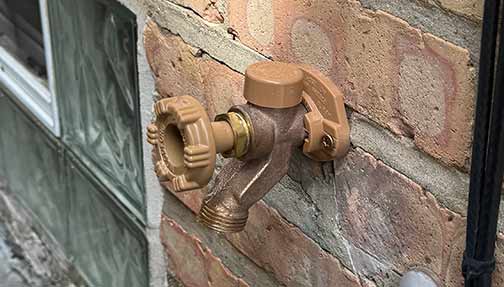
a frost free hose bibb installation.

Freeze-proof outdoor faucets prevent frozen pipes by protecting outdoor and indoor plumbing from freezing temperatures.

Keep your home warm at all times

You don’t want to leave your home without sufficient heating during the winter months, even if you plan to go away for a long period. To prevent frozen pipes, the thermostat should never be turned down below 70° (F). The additional energy costs of this step are nothing compared to the cost of fixing water damage resulting from a burst pipe emergency in your home.

Let hot and cold water faucets drip

Opening one or two cold and hot water faucets inside the home to let water drip will protect your water pipes from freezing. The constant dripping ensures that water is always flowing through the pipes. Water is less likely to freeze when it is moving. If you are worried about wasting water,  place a container under the faucet to catch water. In any case, the cost of that water doesn’t compare to the potential damage from a frozen pipe.

Leave cabinet doors slightly-open

When they are closed, cabinet doors prevent warm air from circulating to the insides of the cabinets, resulting in pipes in under-the-sink areas becoming prone to freezing. To stop this problem, keep cabinet doors in these parts of your home slightly open. You will protect your pipes by letting the warm air flow into the normally cold recesses of those cabinets.

Finally, before implementing these steps, it is a good idea to have a nearby Lincoln Park plumber do a careful inspection of your plumbing. This will help you find leaks and weak spots in the plumbing that predispose the system to frozen and burst pipes.

A Comprehensive Guide to Dealing with Burst Pipes in Chicagoland

A Comprehensive Guide to Dealing with Burst Pipes in Chicagoland

Dealing with burst pipes can be a stressful and costly situation for homeowners in the Chicagoland area. Not only can it cause extensive damage to your property, but it can also disrupt your daily routine and lead to unwanted expenses. Below we will provide you with everything you need to know about dealing with burst pipes in Chicagoland, from understanding the causes of burst pipes to preventing them and effectively handling the situation if it does occur.

Understanding the Causes

Before we get into the measures to deal with burst pipes, it’s important to understand the common causes. By understanding the underlying causes, you can take preventative measures to mitigate the risk of a burst pipe. The following are some of the most common causes:

  • Freezing temperatures: Chicago’s harsh winters are notorious for their frigid temperatures, which can cause water inside pipes to freeze and expand, leading to bursts.
  • Age and deterioration: Over time, pipes naturally degrade, especially if they are made from older materials such as galvanized iron. These weakened pipes are more susceptible to bursting.
  • High water pressure: Excessive water pressure can put strain on pipes, leading to leaks or bursts.
  • Tree root intrusion: Tree roots seeking water can sometimes infiltrate underground pipes, causing blockages and ultimately leading to burst pipes.

Prevention is Key

While it may be impossible to completely eliminate the risk of burst pipes, there are several preventative measures you can take to reduce the likelihood of this unfortunate occurrence:

  • Insulating exposed pipes: By insulating pipes in unheated areas of your home, such as crawl spaces or attics, you can protect them from freezing temperatures.
  • Sealing air leaks: Identifying and sealing any cracks or gaps in your home’s exterior can prevent cold air from entering and potentially freezing pipes.
  • Maintaining moderate thermostat settings: Keeping your thermostat at a consistent temperature, even when you’re away, can help prevent extreme temperature fluctuations that can lead to burst pipes.
  • Regular pipe inspections: Hiring a professional to conduct routine inspections of your plumbing system can help identify and address any issues before they escalate.
  • Proper tree and shrubbery placement: Planting trees and shrubs away from underground pipes can minimize the risk of roots infiltrating and causing blockages.

Handling a Burst Pipe

Despite your best efforts, a burst pipe may still occur. In the unfortunate event that it does, it’s crucial to act swiftly and follow these steps:

  1. Turn off the water supply: Locate your main water valve and shut it off immediately to prevent further water damage.
  2. Open faucets: Open all faucets connected to the affected pipe to relieve pressure and allow water to drain.
  3. Contain the water: Use buckets, towels, or a wet/dry vacuum to contain and remove as much water as possible.
  4. Contact a professional plumber: It’s essential to contact a plumber who specializes in burst pipe repair to assess the damage, make necessary repairs, and ensure your plumbing system is back in working order.
  5. Document the damage: Take photos or videos of the damage for insurance purposes.
  6. Contact your insurance company: Notify your insurance provider about the burst pipe to initiate the claims process. They will guide you through the necessary steps and coverage.

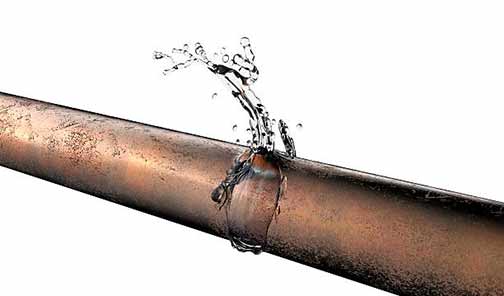
a burst pipe repair in chicagoland.

Burst pipes require immediate attention, so choose a plumber who offers emergency services and can promptly address the issue.

Choosing the Right Professional

When dealing with a burst pipe, it’s essential to choose a reliable and experienced professional plumber. Consider the following factors when selecting a plumber:

  • License and certifications: Ensure the plumber is licensed and holds relevant certifications to perform the necessary repairs.
  • Insurance: Verify that the plumber has liability insurance, which protects you and your property in case of any accidents or damages during the repair process.
  • Reputation and reviews: Look for customer reviews and testimonials to gauge the plumber’s reputation and quality of work.
  • Response time: Burst pipes require immediate attention, so choose a plumber who offers emergency services and can promptly address the issue.

In Conclusion

Dealing with burst pipes in the Chicagoland area can be a challenging situation, but by understanding the causes, taking preventative measures, and knowing how to handle a burst pipe effectively, you can minimize damage and ensure a speedy recovery. Remember to always prioritize safety and contact an emergency plumber in Chicago when dealing with burst pipes. By following the advice in this comprehensive guide, you’ll be well-equipped to handle any burst pipe emergencies that may arise.

Need assistance with a burst pipe in the greater Chicago area? Contact us today at 773-599-9181 or by form below!