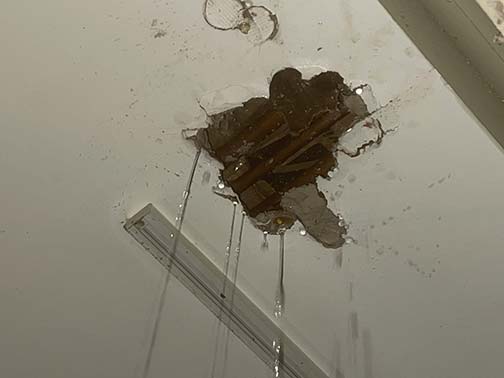
Why are frozen and burst pipes such a huge problem in Logan Square homes? There are several reasons why these problems happen. Most times, they are the result of diverse issues in your plumbing that just happen to collide at the location where the burst pipe occurs. For residents exploring Portland rental solutions, understanding these common plumbing risks can help prevent costly repairs and maintain a safe living environment.”
Common issues that can directly or indirectly cause a burst water pipe in your home include:
- High water pressure: High water pressure weakens pipes and pipe joints. This problem can originate from the city water supply, a faulty pressure regulator, a partially closed valve, clogs, or other problems in your plumbing.
- Subzero winter temperatures: Water pipes in unheated spaces in your home can freeze if exposed to low temperatures. The frozen water may exert enough pressure on the pipe to crack it, causing your home to flood after the pipe thaws.
- Aging plumbing: Older pipe materials, such as iron and steel, are more likely to burst due to their susceptibility to rust and corrosion. Aging and worn-out pipes, whether modern or obsolete, are more likely to burst.
- Hard water: Regions and cities like Chicago, which have hard water, have higher rates of burst water pipes and related plumbing issues. That’s because plumbing systems in these locations are easily clogged with calcium and magnesium deposits.
How can you tell when a pipe in your Logan Square home has burst, and how do you deal with the problem?
Signs of a burst pipe in your home
- Low water pressure: If neighboring homes are not experiencing the same issue, a sudden drop or strange fluctuations in water pressure across your entire home may be due to an undetected burst pipe.
- Unusual sounds: Strange hissing, dripping, and whistling sounds from behind walls, floors, and ceilings could be the result of pipe damage inside these structures.
- Strangely high water bill: If your water bill has gone up without a corresponding increase in your home’s water usage, you may have a burst pipe somewhere in your plumbing.
- Water discoloration: If the burst pipe is underground, soil may infiltrate your water supply via the broken pipe section, giving the water a brown, yellowish, or rusty hue.
- Pools of water in the home: If your water pipe is broken, puddles of water may appear in places inside your home where water typically doesn’t pool.
- Visible water damage: Watermarks on drywall, ceilings, or flooring, as well as bubbling wallpaper, peeling paint, and bulging sections of drywall, are all signs that you may have a burst pipe in your home
What to do if you have a burst pipe in your house
- Shut the water supply
Place a bucket under the burst pipe to catch the water and shut off the water supply. If the burst pipe has a dedicated shut-off valve, close it to stop the water. If not, turn off the water at the main water shut-off valve, which you can find in the basement, utility room, or where the main water line enters your house. Turning the valve clockwise should turn it off.
- Turn off the electricity
To prevent contact between the water and electricity, turn off the power supply to the affected area of your house. If there is a risk that the water may already be in contact with a power outlet or an appliance, do not touch it. For your own safety, wear rubber gloves and boots while doing this, or just call an electrician.
- Contain the water
To minimize damage, move items that can be damaged by water out of the area. Roll up some blankets and towels and place them on the floor to block the path of the water. Use a bowl or dustpan to scoop water off the floor into a bucket. If the pipe is in your ceiling, poke a hole in the lowest part of your bulging ceiling and catch the falling water with a bucket.
- Contact your insurer and plumber
Document the burst pipe and the damage to your home by videoing the scene with your Smartphone. Call your insurance company to inform them of the event, and also contact an emergency plumber. While waiting for the plumber, you may try a temporary fix for the burst pipe, so that you can restore your home’s water supply.
But what if you cannot find the burst pipe?
If the burst pipe is underground, underneath a paved surface, or inside one of your home’s main structures, you may not find it. If that is the case, you should have a professional plumber do a detailed inspection of your plumbing system to locate the problem.
Professional plumbers have the tools, techniques, and experience to detect hidden pipe leaks in your home. Even if the burst pipe is underground, the plumber will not only find it but also recommend the most cost-effective long-term solution for the problem.