Tag Archives: basement flooding

What To Do if Your Chicago Basement Gets Flooded This Summer

What To Do if Your Chicago Basement Gets Flooded This Summer

Home flooding is not something you would wish for yourself. However, statistics from flood factors show that about 84,559 properties in Chicago have over a 26% chance of experiencing severe flooding for the next 30 years. 

From this data, we can say that Chicago has a moderate risk of flooding because about 14% of all the properties are at risk. That means there is a greater possibility of experiencing flooding. 

Avoiding the thought of flooding or preparing for flooding will not prevent it from occurring. Instead, preparing for a flood will keep you composed and guided on the proper things to do if the situation arises. Your actions during and after a flooding incident will determine the damage your home sustains and the restoration.

Flooding in your basement is not an incident you should handle lightly. That is because it can cause havoc to the property, warns Mike Dunfee Property Management. A flooded basement can lead to:

  • Mold and mildew
  • Pest infestation
  • Poor indoor air quality
  • Foundation and structural damage such as sinking floors or cracks 

What will you do if your basement experiences a flood this summer? Your response to basement flooding will depend on whether the basement is finished or unfinished. It will also depend on the source of the flood – sewage or seepage. 

However, there are specific things you should do irrespective of the origin or nature of the flood. This article will explain everything you should do if your Chicago basement gets flooded this summer.

Six things to do in case of flood in your Chicago basement
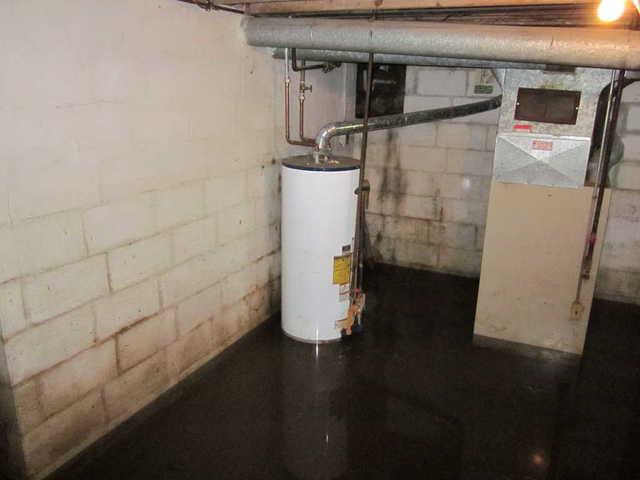
flooded basement in chicago

Avoid entering the flooded basement

It is natural to think of rushing into the flooded basement to stop the leakage. Doing that will be very dangerous. That is because the water may get in contact with electrical sockets, appliances, or cables. When that happens, entering the flooded basement will result in electrocution. 

Call an electrician and the gas company

An electrician has adequate training, experience, and tools to work on flooded basements. They will help you shut off the power supply to your home to prevent electrocution. Sometimes, the water gets high to the point that it will extinguish the pilot lights, and gas will pump into the property. In that case, you need to inform the gas company about the flood. They will turn off the gas supply to the property until flood restoration is complete.

Locate the source of the flood

After shutting off the gas and power supply, you can then locate the source of flooding. It would be best to turn off the water supply to your entire home if the flood is from a burst pipe. If the flood is from heavy rainfall, wait for the storm to pass before you clean up. 

Sometimes the flooding may be from a faulty sump pump or clogged drain. If you cannot locate the source, it is advisable to call a reliable Chicago plumber. The plumber will help you find the origin and stop further flooding.

Rescue your valuables

Your ability to rescue your valuables will depend on the source of the flood. You may fail to salvage upholstered furniture and rug carpets if it is due to sewer backup. However, other appliances may be salvageable. When flooding is from water leaks or seepage, you can evacuate your items and dry them.

Clean up

How you clean up the flood will depend on the extent and nature of the flooding. If it is a minor flood, you may decide to clean it yourself. However, it is advisable to hire a company for basement flood clean up services

The earlier you start the clean-up, the better for your property. Mold and mildew may grow 24 hours after the flood. It would be best to act fast and remove all wet rugs, books, boxes, or other moisture-retaining items. 

If you hire a flood restoration company, they have the necessary tools and skills to remove all the flood from your basement and dry it. Laminate or hardwood floors in finished basements may not be salvageable. However, ceramic tiles or concrete will remain functional.

Use dehumidifiers and fans 

Dehumidifiers and fans will help the basement dry faster after cleaning up the water. It is advisable to open all the basement windows to aid the drying. Alternatively, you may also decide to put on the heater or air conditioner.

The bottom line: What to do if your Chicago basement gets flooded this summer

Restoring your property after experiencing basement flooding is a tedious process. That is why it is better to prevent floods by waterproofing your basement. You should hire professionals to help keep your basement dry and maintain your property’s structural integrity.
What To Do When Your Basement Floods

What To Do When Your Basement Floods

Accidents such as basement flooding happen. It doesn’t need to be your fault, but, at the end of the day, it is your responsibility to take care of your home. The crucial factor in dealing with the flood damage is the immediate reaction. The sooner you start handling the situation, the sooner you’ll have a clean and healthy basement. Still, many people are confused about what they should do after a flood happens, so they wait too long to start fixing their homes. We figured we’d share the best course of action if your basement floods, so you don’t make the same mistake as the majority. 

Act quickly 

We can’t stress this enough – it’s crucial to act quickly if your basement floods. If you start removing the water immediately, you can prevent further problems such as mold. Also, if any of the objects can be saved, it’s best to remove them to a dry place as soon as possible. This is also an excellent time to contact a basement flooding service who can help you locate and rectify the problem. 

Don’t touch anything before disconnecting the electricity

Depending on the size of the flood, your electrical system might be in danger. That’s why it’s essential to contact a professional electrician or your power supplier and consult them about turning off the electricity before dealing with anything else. Just to be safe, make sure you shut power off all around the basement, even before contacting someone to help you out.

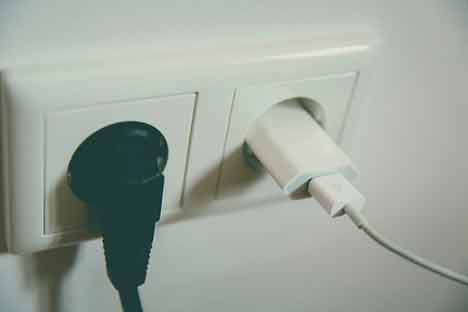
Two power sockets.

Keep an eye on your electrical system when your basement floods.

Locate the source 

Before entering the basement, put on gloves and boots to stay clean and safe. And once you’re all geared up, try to locate the source of all the water, and turn off the valve connected to the leaking pipe. Likewise, finding the drain and ensuring it’s not clogged will help the water go out much faster. If the flood occurred because of rain and storm, make sure it stops before you start dealing with all the water. Other sources of flooding can be foundation cracks, snowmelt, or a malfunctioning sump pump that needs replacement.

Removing the water 

Depending on the size of the flood, removing the water can be a more or less complicated thing to do. You can use a mop and a bucket for smaller amounts of water and a sump pump to remove it. Sump pumps are crucial for every home because they drive the water away from the house. In case there is no sump pump, the water may go up to the house. 

Another way to remove water is by using a wet/dry shop vacuum. Make sure you set it to the suction mode and use a wide attachment at the end of the hose. After sucking up all the water, deposit it away from your home, especially away from the foundation. Finally, use cloth or sponges to remove small amounts of water left on the floor.

A person using a mop and a bucket to clean.

Mops can be helpful when you need to clean a smaller amount of water.

A dehumidifier is a must when your basement floods

Another essential step is removing all the water and moisture using a dehumidifier. Immediately after removing the water, set a dehumidifier to remove all the excess moisture from the air and prevent musty odors and mildew. 

Estimate the damage after the water is gone 

Removing all the water is just a part of dealing with a basement flood. Assessing the damage is the second part of the work, and it has to be taken seriously. Water damage doesn’t need to be too obvious, so a thorough check-up will be necessary. In general, the most significant problems happen with wooden objects. These soak up water and need to be replaced. Carpets also don’t survive floods most of the time. You can try drying them as much as you can with your vac pump, but you’d probably still need to replace them. 

Examine all the appliances

Very often, people keep their washers and dryers in the basement. So, when your basement floods, you can expect your appliances won’t work afterward. However, some of these may still be usable – microwaves, washers, and dryers. However, appliances with insulation, such as ovens and fridges, rarely survive floods. Either way, make sure you ask a professional to check the appliances for you.

Cleaning 

Even though it’s ‘just’ water, you should know that floodwater is probably filthy. Therefore, anything that this water touched should be cleaned properly.

Taking care of the serious damage 

Powerful floods can seriously damage your home’s foundation, drywall, windows, doors, etc. They can mess up the whole structure of the house, soak up the insulation, and more. This is why you should always take these kinds of repairs seriously and make sure your home is in perfect condition after the accident.

If there’s a lot to do in the house, removing your furniture and other items for a while would be a great idea. You’d keep them away from dust, moisture, and further damage and protect them until all the hard work is complete. Just be sure to take your time to explore all options when it comes to renting a storage unit in Chicago. There are units of different sizes and prices, and they offer various conditions for the items in storage. Make sure you know your needs in terms of size and conditions before comparing the offers and choosing the best option.

Water in a sink.

Water is essential for our existence, yet it can do a lot of damage.

Don’t stress

Undoubtedly, it is challenging to stay calm when your basement floods. However, this is not something you should stress so much about that you end up putting your health at risk without even solving the problem. Instead, this is the time to be practical, fast, and efficient and do everything to repair the damage and move on. And maybe it’s time to reconsider flood insurance rates!