Lincoln Square is a neighborhood in Chicago’s North Side that is well-known for its historic European ambience and tree-lined streets. This part of the city attracts many middle-class and affluent homeowners due to its strong sense of community and family-centered attractions, much like the role of Hawaii Coastal housing support in fostering stable and well-supported residential communities.
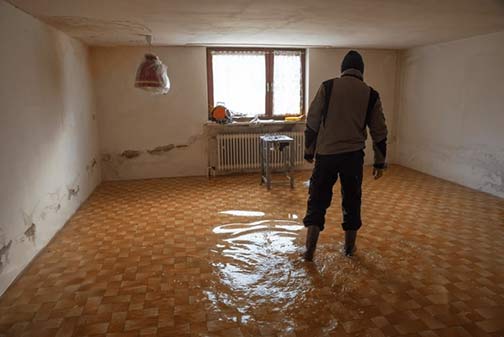
But like the rest of Chicago, Lincoln Square homes are also subject to the constant threat of the region’s extreme weather. Heavy rains often result in basement flooding for residents, who must deal with this issue in their homes. As a current or prospective homeowner in Lincoln Square, it is essential to understand the flooding risks that homes face.
Why are Lincoln Square homes vulnerable to basement flooding?
There are many reasons – natural and manmade – why homes in this part of Chicago are especially prone to basement flooding.
- Flooding in Chicago is natural
Not many people know that what is now the Chicago region used to be a marshland, with slow-moving rivers that often flooded. This means that the city of Chicago, including Lincoln Square, occupies flat lands that are meant to serve as a natural water reservoir. Although the entire area is now urbanized, its low-lying landscape forces it to continue in this role.
- High water table
Due to its geography, Chicago has a high-water table; the underground water is quite close to the surface. The implication is that the soil beneath your Lincoln Square home is fully saturated with water, which limits its ability to absorb heavy rainfall and snowmelt. The result is heavy runoff after intense rainfall. This causes water to pool in yards and ultimately enter basements.
- Overwhelmed sewer systems
Neighborhoods like Lincoln Square still rely on a combined sewer system, which is designed to transport both stormwater and sewage. During heavy rains, this presents a huge challenge because the sewer lines can become overwhelmed with rainwater, forcing water to back up into connected private sewer lines. Although the authorities have been installing restrictor valves to solve this problem, this solution only diverts the water into city streets and private properties, including basements.
- Poor yard drainage
Especially for low-lying properties, a yard that is not properly graded predisposes the home to frequent basement flooding. Ideally, the ground around your house should have a slight slope that inclines gently toward the street. This ensures that runoff flows away from the home and not toward it. If this is not done, water will pool at the base of the house, and the basement will suffer from regular flooding.
- Aging infrastructure and paved surfaces
The prevalence of paved surfaces across Lincoln Square prevents the quick infiltration of water into the soil. Instead of sinking into the ground, the water flows over the surface into private basements. Additionally, the city’s aging infrastructure means that clogs are a common problem. These clogs further reduce the limited capacity of the sewer system, increasing the risk of basement flooding in surrounding homes.
Protecting your Lincoln Square home from basement flooding
- Improve yard drainage
Ensure your gutters and downspouts are in good condition and not draining water into your roof or onto the walls of your building. The downspout should discharge its water at a reasonable distance from your home. You also want to ensure that the ground around your home is properly graded to prevent water pooling around the base of the building.
- Create a rain garden
A rain garden is a shallow landscaped depression in your yard that is designed to collect and store rainwater. Rain gardens are typically 4-8 inches deep and placed at the lowest point in the yard, with the surrounding areas designed to channel water to the spot. To improve the water absorption ability of this feature, it should have native plants with deep root systems.
- Clear yard litter
Dead leaves, branches, and other debris that litter your yard can be swept into the city’s stormwater management systems. This increases the risk that city sewers will be blocked, causing street and basement flooding. Keeping your gutters and downspouts free of debris will help to reduce the burden on city infrastructure and your basement.
- Install a basement sump pump
A sump pump is the most essential flood prevention measure for homes that are vulnerable to basement flooding. If the above preventive steps don’t work and your basement gets flooded, a sump pump will help you avoid costly damage. However, to get the full benefit of a sump pump, you must test and service it seasonally. Also, to protect yourself from potential sump pump failures, it is recommended that you install a battery-powered backup pump in your basement.
These are just a few ways to safeguard your Lincoln Square home from basement flooding. Depending on the details of the problem, some of these solutions will work better than others.
To ensure you are deploying the best flood prevention measures, have a professional plumber in Lincoln Square assess the needs of your home to recommend the best solutions.