Tag Archives: backflow prevention in chicago

Backflow Prevention: Protecting Your Drinking Water in Chicago

Protecting Your Drinking Water in Chicago

Contaminated drinking water is a huge problem for many Chicago homeowners. Some well-known causes of this problem are flooding, pollutants finding their way into broken water pipes, and the use of lead pipes in the plumbing.

However, Specialized Property Management Phoenix says, there is a major cause of water contamination that is less known to most homeowners. Yet, it is possibly even more lethal than some of the other known causes. This is because it can happen in your home without leaving any clear signs.

Have you ever heard of the term “Backflow”?

What is backflow?

Backflow is when unsanitary water from sources like the sewer line flows backward and enters your drinking water supply, contaminating it. Backflow introduces harmful substances into clean water and happens either as a result of backpressure or back siphonage.

Back pressure occurs when the pressure in your plumbing is higher than the supply pressure, causing water to be pushed in the wrong direction. It is often caused by blocked drains, faulty plumbing fixtures, and a water heater that is not properly vented.

Back siphonage is negative pressure within the supply pipes can result in water being sucked backward until contaminated water is forced from the drainage system into the supply pipes. Common causes of back siphonage include water main breaks or when firefighting equipment causes massive drops in water pressure via nearby hydrants.

Signs and impact of backflow

  1. Discolored water

Water flowing from showerheads and faucets may have a gray, yellow, brown, or pink hue. Rust particles or sediment may also be present in your water supply.

  1. Smelly water

If your water has a strange odor, it could be because of a backflow issue. In addition to a bad smell, the water may also taste bad.

  1. Low or fluctuating water pressure

Decreased water flow and low water pressure (that does not affect neighboring homes) could mean that you have backflow issues.

  1. Slow drains

Backflow can make your drains visibly slower, especially if the water level in some drains is higher. But there are decreased water levels in other drains at the same time.

Backflow poses a huge threat to your family’s health because it is normal for members of your household to automatically assume that the water coming out of the faucets is safe. This is why you should not delay taking action if any of the above signs are in your home.

How to prevent backflow

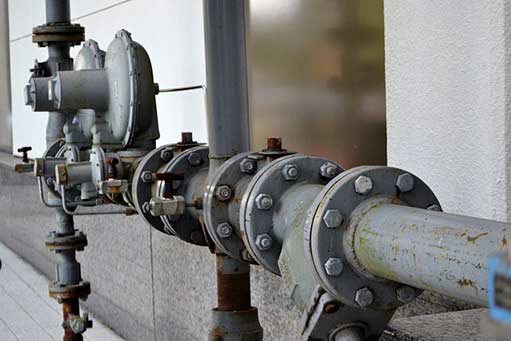
The best way to deal with backflow is to prevent it with a backflow prevention device. Also known as a Reduced Pressure Zone Valve (RDZ Valve), a backflow prevention device ensures that water flows only in one direction within your drinking water supply pipes.

There are four types of backflow prevention devices:

  1. Pressure vacuum breakers (PVBs)

This is a common and inexpensive type of whole-system backflow preventer. Their simple design makes them easy to install, repair, and maintain. PVB devices are only effective for preventing back siphonage and they are not always suitable for indoor installations.

  1. Double check valve assemblies (DCVAs)

These events are highly volatile. They can be used for indoor, in-line (below-grade), and underground installations. The presence of two independently-operating spring-loaded check valves means they are more efficient. A DCVA device can be installed where there is potential for both back siphonage and backpressure.

  1. Reduced Pressure Zone Assembly (RPZ)

These are the most complex and most expensive types of backflow prevention devices. They are also the most secure and most reliable of all the preventers listed here. Depending on the device’s configuration, it can be installed in-line or underground. RPZ devices are effective for preventing back siphonage and back pressure.

  1. Atmospheric vacuum breakers (AVBs)

These gravity-operated devices are the simplest and least expensive backflow preventers. They work with air pressure instead of water pressure and must be installed vertically. They are not as reliable as the other systems in this list and cannot be used in lawn sprinkler systems. They will not prevent backflow if it is caused by back pressure.

Does your home need a backflow prevention device?

If your home meets one of the following descriptions, you need a backflow preventer device:

  1. Your home has cross-connections

Chicago city mandates backflow preventers from homes and businesses with cross-connections. A cross-connection is any point in the plumbing where your drinking water supply system meets a non-potable water source.

  1. Your home has an irrigation system, etc.

A backflow preventer is mandatory if you have an irrigation system, a swimming pool, a water softening system, or commercial-grade appliances.

  1. You see signs of backflow

If you see some of the listed signs of backflow in your home, you may need a backflow preventer.

Lastly, the only way to be 100% sure whether you need a backflow preventer is to have your water tested. You should do this test once every year. This is how to prevent unknown events from causing backflow in your plumbing system.
How to Handle And Prevent Backflow Emergencies in Chicago

How to Handle And Prevent Backflow Emergencies in Chicago

The plumbing systems in homes and office buildings – including your Chicago home – all have two major divisions. One part of the plumbing brings fresh water from the water company into your home before distributing the water, via a network of pipes, to the plumbing fixtures and appliances in the house.

The second part of the plumbing removes dirty water coming from your plumbing fixtures and appliances. This wastewater is collected by the different drains inside the home and transported out of the house into the main sewer line, which then moves the water into the city sewer lines in the street.

When your home’s plumbing is operating as it should, the contents of these two sections of the plumbing system never meet, notes KRS Tidewater Management. If the potable water inside your freshwater pipes ever meets with the grey water or sewage inside the drainage system, your home’s water supply will be seriously contaminated.

This problem usually happens when there is backflow in your plumbing system. Backflow occurs when the water in the plumbing flows in the reverse direction due to severe and unusual variations in pressure within the system. What causes backflow, and how should you handle this plumbing emergency?

What causes backflow?

Two kinds of backflow can happen in your home – backpressure backflow and back siphonage backflow – and each has a different cause.

Back pressure backflow: This happens when the pressure in the downstream sector (drainage system) becomes greater than the pressure in the upstream region (potable water system) of the plumbing, causing the contents of your drainpipes to flow in the reverse direction and back into the freshwater pipes.

These sudden and intense changes in pressure are due to pumps, boilers, line flushing, leaks in the freshwater pipes and firefighting activities.

Back Siphonage Backflow: This is caused by a vacuum or partial vacuum in the public water system or your home’s potable water supply system. The effect of having a vacuum in your potable water supply line is similar to what happens when you drink water through a straw.

Back Siphonage backflow is also caused by firefighting activities. Other causes of this problem are issues in your water main, repairs and breaks in the city main.

Effects of backflow on your home

  • Tainted water supply with risk of serious illness
  • Sewage odors inside your home due to sewer gases leaking from the drainage system
  • Lethal insecticides in your garden hose leaking into the home’s water supply
  • Risk of damage to hot water lines and appliances
  • Possibility of sewage backing into the house and damaging your walls and flooring

How to detect and prevent backflow emergencies in your Chicago home

Backflow testing is the only reliable way to determine if your home has a backflow problem. Backflow testing is required if your home has an irrigation system or well. If you just bought the house or your plumbing system is old, backflow testing is something you should consider.

It is also a good idea to check your plumbing system for backflow if you do not have a backflow preventer installed. To do this test, you need to have a certified Chicago plumber. A plumber who understands the peculiar plumbing challenges of Chicago homes is best for this job.

If your plumbing is determined to have backflow issues, the best way to solve the problem is to install a backflow prevention valve. The best kinds of backflow prevention devices are automatic ones. Manually-operated backflow prevention systems are not recommended.

Types of automatic backflow prevention devices

Air gaps

Air gaps involve creating a physical space between your home’s potable and non-potable water system. The device operates on simple principles, yet it is highly effective in preventing backflow. You can use air gaps to prevent backflow, whether it is caused by back siphonage or back pressure.

Atmospheric Vacuum Breaker Assembly

This device operates via an inlet valve. When water flows through the pipes, the air inlet valve is closed. However, if the water stops flowing, the valve opens to let air into the system and neutralize pressure imbalances, thereby stopping backflow. This device is best for backflow caused by back siphonage.

Pressure Vacuum Breaker Assembly

This backflow preventer contains an air inlet valve, check valve and shut offs. The check valve is open when water is flowing through the pipes but closes as soon as it stops flowing. The inlet valve is then opened to allow air into the pipes. This system prevents back siphonage.

Double Check Valve Assembly (DCVA)

These devices contain two spring-loaded check valves with shutoff valves and test cocks. The check valve closes when there is a threat of backflow. But if the first check valve fails, the second check valve serves as a backup. This kind of backflow preventer works for both back siphonage and back pressure.

Do you suspect that your Chicago home may have problems with backflow? Contact us at 773-599-9181 or by form below!