How many years should your home water heater last? This is all dependent on a lot of factors. There is a certain amount of years that everything in your house is meant to last. This is the period of time that you are able to get the maximum from the product. This is what the product company determines in terms of how many years the material in the product will last.
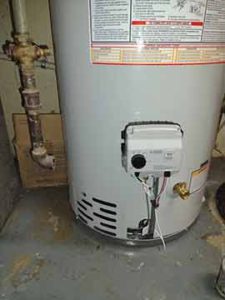
But the producer’s date of expiration on their item is at best an estimate. Actual performance of the item relies on numerous variables out of the producer’s hands. A few of these are the environment that the item is utilized in, the amount of use that the item is put under, and the quality of the maintenance the item receives.
All these play a role in extending or shortening the lifespan of a product. For water heaters, a traditional appliance lasts 8-12 years, while a modern one can serve you for 20 years. But as Phoenix Property Management explains, your water heater can last a few years longer than anticipated or it can fail many years before the end of its projected lifespan. How long the water heater lasts depends on the following…
Factors affecting the lifespan of your water heater
The type of water heater
The two main categories of water heaters are tank water heaters and tankless water heaters. In terms of longevity, tankless water heaters are better. A professionally installed tankless water heater can last anywhere from 20 years to 30 years.
This is double the life of a tank or storage water heater. The reason for the longer life of a tankless water heater is partly due to the fact that it does not need to store water and is, therefore, less susceptible to some of the factors affecting tank water as discussed below.
The quality of your water heater
Cheap water heaters have a shorter life because manufacturers use lower-quality materials in those products. Conversely, water heaters with porcelain casing or larger anodes are costlier because they are less likely to rust.
Models with a self-cleaning function will also last longer and therefore cost more. One way to determine the quality of a water heater is the warranty, a longer warranty indicates quality construction.
Incorrect installation
Water heaters need to be installed in a specific way and in the right environment for them to function properly and last a long time. Typically, the water heater should be installed upright in a well-ventilated part of the home.
It should not be in proximity to areas prone to flooding or high humidity. The competence of the installer and the location of the water heater plays a big role in its lifespan.
Water quality
If the water in your area is hard, the incidence of limescale inside the water heater increases. Limescale is a residue left behind when hard water evaporates; it is mostly made of calcium and magnesium.
Limescale interferes with the ability of a water heater to heat cold water and accelerates its expiration. Another issue related to water quality that can harm a water heater is clogging due to sedimentation.
Water pressure
Water pressure can be too high or too low, but most people are only familiar with low water pressure. That’s because we can see when water pressure is low, it does not let you get water out of the shower or faucet at the rate you want. But as annoying as it is, low water pressure is mostly harmless.
The real issue is when water pressure is too high. High water pressure will destroy the water-using appliances in your home, including the water heater tank.
Rate of water heater usage
Quite naturally, a water heater that is subject to a lot of use is likely to reach the end of its lifespan faster than one that’s used minimally. The volume of hot water the water heater produces determines the level of stress its components are subjected to. More water also increases the probability that your water heater will rust.
Signs that it is time to replace your water heater
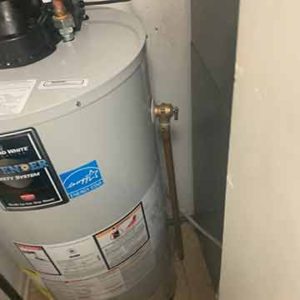
If you notice the following problems with your water heater, it is time to replace it.
Strange sounds
If the tank makes strange gurgling sounds when you use it, it means there is sediment in the tank. A water heater that behaves this way is a danger. It is likely to overheat and explode.
Persistent dampness
If your water heater is always damp, there is moisture build-up around the device. Problems like this could indicate a leak.
Insufficient hot water
If the water heater is not producing enough hot water or any hot water at all, it may be time to replace the water heater.
Discolored water
If the water coming from the tank is colored, your water heater has a serious problem of rust.
Water pooling
Puddles of water on the floor below the water heater mean you have a badly leaking appliance that needs to be replaced ASAP.