
Home renovations are exciting but often come with surprises. One of the most expensive—and critical—surprises homeowners can encounter is plumbing issues that go far beyond a leaky faucet or a clogged drain. In some cases, you might discover that your entire plumbing system needs a full repiping. This scenario can significantly impact your renovation timeline and budget. If you’re unsure what repiping involves, when it’s necessary, and how to plan for it financially, this guide will walk you through every detail with clarity and ease.
Understanding What Repiping Means
Repiping is the process of replacing all the pipes in your home’s plumbing system. It’s not a quick patch-up job. Instead, it’s a complete overhaul that involves removing old or damaged pipes and installing new ones throughout the house. That can include water supply lines, drain pipes, and even pipes within walls or under floors. The scale of the project means it’s more than just a plumbing upgrade—it’s a structural one that can disrupt your home significantly if not planned well.
The Hidden Risks of Old Pipes
Old pipes aren’t just an inconvenience—they can be a health and safety risk. Lead pipes, still found in some older homes, can contaminate drinking water. Galvanized steel pipes corrode over time, causing rust to leach into the water supply. Even copper pipes, if installed poorly or exposed to acidic water, can deteriorate. Leaky pipes also invite mold, water damage, and pest infestations, making it vital to address them sooner rather than later. Delaying repiping can lead to thousands more in repair costs in the future.
Signs Your Plumbing Might Need a Full Overhaul
Several red flags indicate your plumbing system is past its prime. One of the most telling signs is frequent leaks in different parts of the house. If you’re constantly calling in a plumber for one issue after another, the system as a whole might be failing. Water discoloration, low water pressure, and strange odors are also signs that your pipes may be corroding from the inside out. Additionally, if your home is over 50 years old and still has its original plumbing, chances are you’re due for a full repiping project.

How a Full Repiping Affects Your Renovation Budget
Repiping can be one of the most expensive line items in a renovation budget. Costs depend on the size of your home, the number of bathrooms, the type of piping material you choose, and whether the work involves tearing down walls or floors. Labor is another significant expense since repiping is labor-intensive and time-consuming. It’s wise to get multiple quotes and understand exactly what’s included—some contractors bundle wall repair and repainting in the price, while others leave that to you.
Choosing the Right Pipe Materials
When repiping, the choice of material matters. PEX (cross-linked polyethylene) is affordable, flexible, and easier to install. It’s great for tight spaces and resists scale and chlorine. Copper is more durable and has been used for decades, but it’s expensive and prone to corrosion if your water is acidic. CPVC is another option known for its resistance to heat and corrosion. Your plumber will recommend what’s best based on your home’s layout and your water quality, but it helps to have some understanding when discussing your options.
Planning Around Walls, Floors, and Fixtures
Repiping isn’t just about pipes—it’s also about access. In most homes, pipes run behind walls, under floors, and through ceilings. That means drywall, flooring, tile, and cabinetry might need to be removed and later restored. If you’re already renovating, repiping during the demolition phases is often the most efficient and cost-effective time to do it. Aligning your plumbing project with other renovations can reduce labor overlap and minimize disruption. Just make sure to coordinate timelines with all contractors involved.
Understanding the Permits and Inspections Involved
Any full-home repiping project will require permits and inspections, especially in municipalities with strict building codes. Permits ensure the job is done according to legal safety standards, and inspections confirm that everything has been installed correctly. Skipping this step may save you money upfront, but could come back to haunt you when you sell your home or experience a plumbing failure. Ask your contractor if they handle the permitting process or if you’ll need to coordinate with local building authorities yourself.
Things to Do Once the Repiping Is Done
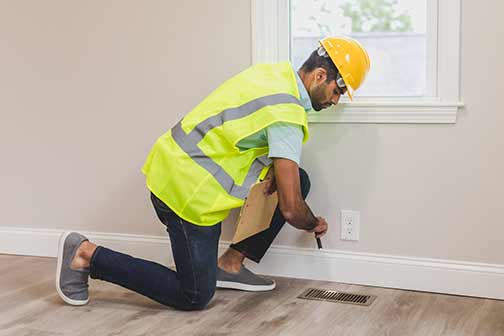
Once the dust settles—literally—it’s time to finish what the repiping started. After the new plumbing is installed and water is flowing properly, your contractor will usually run a pressure test to confirm everything is leak-free. Then comes the restoration phase: patching up drywall, repainting, and reinstalling light fixtures or cabinets that had to be removed. This stage is a smart time to add a few finishing touches, such as updated faucets or a new water filter system.
However, if your repiping project happened alongside a move, you’ll likely still be tackling some key post-move tasks. Therefore, schedule a deep clean before you unpack, as it helps eliminate any leftover dust from construction. Also, unpack and organize your belongings room by room to avoid clutter and confusion. Completing these tasks speeds up the process of settling into your new space and also helps you spot any small fixes or improvements you may have missed. Taking the time now makes your renovated home feel move-in-ready, both functionally and visually.
Staying in Your Home During Work
One of the more disruptive aspects of repiping is that it affects your access to running water. Depending on the size of the job, your water supply might be shut off intermittently or completely for a few days. Some homeowners choose to stay in a hotel or with family, while others stay put and work around the limitations. If you’re living in the home during repiping, clear communication with your contractor is key. You’ll need to know when you can use the bathroom or kitchen and how long specific areas will be out of commission.
Preparing Financially for the Unexpected
Even the best-planned renovations can hit snags or turn out to be expensive, especially when plumbing is involved. As pipes are removed, plumbers might discover issues that weren’t visible during the initial inspection, like water damage, mold, or code violations. These can add unexpected costs. That’s why it’s essential to have a contingency fund, typically about 15–20% of your renovation budget, to handle surprise expenses without derailing the entire project. Ask for a detailed estimate upfront, but be mentally and financially prepared for adjustments along the way.
Long-Term Value And Safety
Full repiping is a major undertaking that can shake up your renovation budget and schedule—but it’s also one of the most crucial investments in your home’s long-term value and safety. Identifying the need early, understanding your options, and working with trustworthy professionals can make the process smoother and less stressful. While no one dreams of ripping out their entire plumbing system, doing it right the first time can save you from major headaches down the line. With smart planning and the right guidance, your home will be well on its way to better performance and peace of mind.