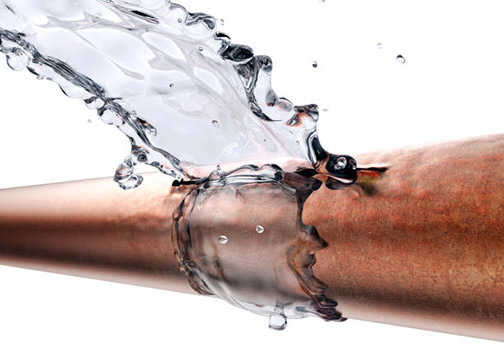
Winter is the time of the year when your home needs hot water the most, but it is also the time of the year when your water pipes are most likely to burst. According to Personal Touch Property Management, burst pipes occur when the water inside your pipes expands, placing the pipe walls under immense pressure until they burst.
However, just because it is winter, it does not mean your home has to be subject to the ravages of a frozen and burst water pipe. There are things you can do to protect your plumbing during winter and ensure uninterrupted access to fresh water due to a frozen pipe section.
How to protect your water pipes from winter
Which pipes are most vulnerable to freezing temperatures during winter? The plumbing pipes in the uninsulated areas of your home are the ones most likely to freeze. This includes water pipes in the following locations:
- Exterior walls
Pipes that run along your exterior walls are at high risk because cold air can seep into them from outside and freeze the water within the pipes.
- Unheated areas
Pipes in the unheated spaces of your home – attics, garages, crawlspaces, and unfinished basements – are also vulnerable to freezing
- Exterior faucets
Outdoor faucets and hoses are extremely susceptible to freezing.
- Other exposed pipes
Uninsulated pipes, even those inside the home (water pipes under sinks, within cabinets, and overhangs or behind appliances), can be frozen.
How do you keep these vulnerable pipes from freezing?
Disconnect and drain outdoor plumbing
Disconnect all attachments to your outdoor faucets, hoses, splitters, and other attachments. Drain all the water from outdoor hoses and put them away for winter.
Close the inside shutoff valves for outdoor faucets (the valve should be in the basement, crawl space, or utility room) and open the faucets until all the water in the pipe drains.
Leave the faucet open, just in case there is residual water inside the pipes. For extra protection, add insulating covers to all outdoor faucets.
To secure your swimming pool, drain all the water. For your lawn sprinkler supply lines, follow the manufacturer’s instructions for winterizing the system.
Protecting your indoor plumbing
- Seal all air leaks around your home. These are openings in the walls of your house that let the cold air outside your home enter the building. The most common locations for air leaks are those points where pipes and electrical fittings penetrate the walls of the house.
- Protect exposed pipes with pipe insulation. This is for water pipes in the unheated spaces in your home, such as the attic, crawlspace, and basement. Pipe insulation doesn’t cost much, and you don’t need a professional plumber to install it; you can do it yourself.
- Maintain the same thermostat setting during the day and at night, no lower than 55°F. Even when you are away from your home, leave the heating on. However, if you plan to be away from your home for a long time, you may turn off your heating and water supply.
- Leave cabinet and bathroom doors slightly open. This helps the warm air inside the home to circulate to these parts of your house. This is particularly important for pipes under the sink, since kitchen and bathroom sinks are often directly attached to the exterior walls.
- Keep garage doors closed to prevent water supply lines from exposure to cold air. Even if there are no water pipes in the space, keeping your garage doors closed serves as an additional barrier between the cold air outside your home and the warm interior.
- Let the cold water faucets drip to keep the water flowing. Even at just a trickle, the steady flow of water through the pipes will help to prevent freezing. The impact of this step on your water bills is small compared to the cost and consequences of a frozen water pipe inside your home.
- Reroute any water pipes that are located inside your exterior walls. This is a long-term solution that is worth exploring. If you can’t reroute the pipes, another option is to move them inside the insulation. If the space can be accessed, you may also install heat tape to protect the pipes.
Ideally, these steps should be completed before the full onset of winter. To make sure your plumbing is fully protected during winter, a professional plumber can inspect your home’s plumbing to advise you on any additional steps you need to take.
But what if you do get a frozen pipe? What should you do? The best way to handle a frozen water pipe without damaging your plumbing is to heat the room where the pipe is located with a space heater. Do not apply heat directly to a frozen pipe.
If this doesn’t work or you cannot wait because you urgently need to get the water running again, get help from a professional burst pipe repair service.