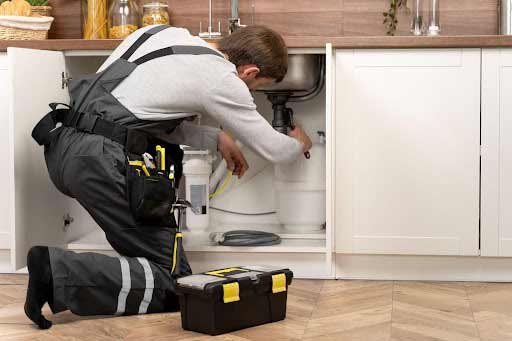
Plumbing Pitfalls That Can Delay Your Real Estate Closing — And How to Fix Them Fast
Selling a home can feel like a countdown clock—every day matters, and small surprises can trigger big delays. One of the most overlooked sources of closing complications? Plumbing problems that hide until inspection day. Even newer homes can have issues that aren’t visible until pressure is tested, drains are scoped, or code compliance comes into play. Whether you’re a seller, buyer, or agent trying to keep things on track, knowing these trouble areas ahead of time is your best defense. Here’s a breakdown of specific plumbing problems that can disrupt a deal—and what you can do about each one before the clock runs out.
Backflow Preventers and Water Safety
Backflow preventers are a common sticking point during home inspections, especially in older homes where they may be outdated or missing entirely. These devices stop contaminated water from re-entering your plumbing when pressure changes occur. Without them, inspectors may flag the system as unsafe, forcing last-minute repairs that stall closing. A properly working unit is especially critical for properties with irrigation or external supply lines. Understanding the function of backflow preventers can help sellers and inspectors quickly verify compliance. They keep water moving one way—protecting your clean supply from cross-connection risks.
Corroded Galvanized Pipes
Older homes with galvanized steel plumbing often suffer from corrosion that’s not obvious until water pressure dips or discoloration appears. Over time, rust narrows the interior of these pipes, making it difficult for water to flow and increasing the risk of leaks. Even if everything looks fine on the surface, an inspector may spot signs of internal wear that demand immediate replacement. Unfortunately, repiping isn’t a weekend fix—it requires permits, scheduling, and can halt the sale. Sellers can avoid this by having a pre-inspection plumber evaluate pipe health or replacing suspect sections ahead of listing. Buyers may still request a price adjustment, but the sale can move forward without sudden chaos.
Slow Drainage or Hidden Clogs
Slow drains may seem minor, but they often signal a deeper blockage or backup risk, especially if multiple fixtures are affected. In some cases, what feels like a routine clog is actually a sign of compromised sewer lines or venting problems. These red flags raise questions during inspection—especially if water backs up while testing multiple taps or toilets. Homeowners should address recurring drainage issues before listing the property. Having a plumber run a camera through the main line can rule out major problems. If roots or collapse are found, it’s better to handle them proactively than delay closing.
Water Heater Code Violations
Home inspectors pay close attention to water heaters—and code compliance has tightened in recent years. Common issues include missing drain pans, no expansion tank, improper venting, or outdated temperature relief valves. While the unit may function well, any code violation becomes a sticking point during the deal. Fortunately, these fixes are usually low-cost and fast to implement if caught early. Sellers should ask a licensed plumber to inspect the heater and verify current requirements. Getting ahead of these updates can prevent the buyer from using small violations as leverage or delay.
Sewer Line Blockages or Root Intrusion
Some of the most expensive plumbing surprises happen underground, where root intrusion and collapsed sewer lines lurk out of sight. These issues often don’t become obvious until a buyer requests a sewer scope—and once visible, they can derail everything. Small blockages can usually be cleared with hydro jetting, but larger structural problems may require excavation and replacement. If your property has mature trees near the sewer line or has had frequent backups, it’s smart to get it scoped early. That visibility can buy you time—and build trust with the buyer. Addressing the issue now is far better than fielding repair quotes mid-negotiation.
Leaky or Improperly Installed Shutoff Valves
Shutoff valves may seem unimportant until one leaks or fails entirely during an inspection. Buyers want confidence that water can be quickly shut off during an emergency, and faulty valves raise red flags. Some inspectors won’t operate these valves during a standard review, meaning a surprise leak might not appear until later in escrow. Sellers should test all visible shutoffs and replace corroded or stuck ones before listing. A plumber can easily swap them out if needed—and document the upgrade for the buyer. It’s a fast fix that removes one more possible delay.
Low Water Pressure from Pipe Buildup
If faucets sputter or showers feel weak, it might not be your fixtures—it could be years of buildup inside aging pipes. Minerals, rust, and sediment can constrict water flow dramatically without any visible signs. Inspectors may notice this when testing water pressure, triggering questions about plumbing system health. Before listing, test pressure at multiple points throughout the home. If readings are low, flushing the system or replacing narrowed pipe sections can restore flow quickly. Avoiding a flagged inspection here can shave weeks off your closing timeline.
Home inspections can go from routine to panicked if plumbing issues catch everyone off guard. Sellers who proactively address common problem areas—like outdated water heaters, old piping, or missing shutoff valves—are more likely to close without last-minute drama. The cost of preemptive fixes is almost always lower than price cuts or delayed timelines. Buyers also appreciate transparency and maintenance records, which can tip negotiations in your favor. Plumbing may not be glamorous, but it plays a starring role in any real estate transaction. Fix it before it floods your deal.
Discover why Chicago Plumbing Experts are the top choice for reliable and efficient plumbing solutions in the Chicagoland area. Visit us today to learn more about our comprehensive services and commitment to excellence!