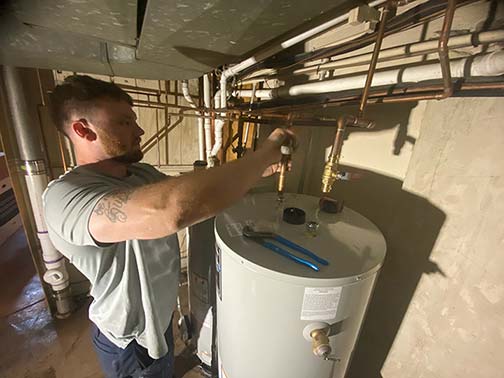
In most Chicago homes, the water heater counts as one of the family’s top three most important appliances. Why? Because a malfunctioning water heater in Chicago’s brutal winters qualifies as a life-threatening problem. According to Baltimore housing experts, ensuring the efficient functioning of their water heater is an essential task for most homeowners in this city.
But sometimes the problems in your water heater are beyond what can be solved by repairing the appliance. What you view as problems in your water heater may be the unit’s way of telling you that it has reached the end of its useful life. A water heater that is at the point of retirement cannot be fixed; it must be replaced.
Any money spent to fix the unit will be wasted because the problems in the appliance will not be solved; they will simply return in worse condition. If your water heater is failing, it will not just drain your energy and wallet, but it can also cause other problems in your home. What are the signs that a water heater has reached the end of its service life?
Signs that you need a water heater replacement
- The water heater is 10-12 years old
Traditional water heaters have a lifespan of 8-12 years. Tankless water heaters last between 15 and 20 years. You may slightly extend the lifespan of your water heater by taking good care of it. However, the time still comes when you must replace it. A water heater that has reached the end of its lifespan can still appear to be working. The problem with keeping it is that it can fail suddenly and disastrously. Furthermore, an older water heater will use up more energy as it steadily loses efficiency.
- The water heater is leaking
If your water heater tank is leaking, the only solution is to replace it. However, before reaching that conclusion, check the tank to ensure the leak is not from the TPR valve, the drain valve, or the joint where the hot and cold water lines meet the water heater. If the leak is at any of these spots, you can solve the problem by replacing the valve or sealing the joint. However, if the leak is from the tank, you must replace the water heater. That’s because a leaky water heater tank cannot be repaired.
- Your hot water is discolored and smelly
Rust colored water from your water heater is a sign that the tank is severely rusted. But it could also be a sign that the sacrificial anode rod inside the tank is corroded. However, if the problem persists after replacing the anode rod, the issue is certainly from the tank. Flushing the tank may remove the strange color. If it doesn’t, you must replace the water heater. Your water will also have a strange smell or metallic taste if the tank wall is heavily corroded and is leaching heavy metals into your water.
- You don’t get enough hot water
The water heater could be running out of hot water because your home’s hot water needs have increased, and the unit is unable to keep up. It is also possible that sediment buildup at the bottom of the tank has reduced the amount of hot water that the tank can hold. This will cause you to run out of hot water faster. You can remove the buildup by flushing the tank, but if the tank has not been flushed for many years, the sediment may be caked in. In that case, the only way to resolve the issue is to replace your water heater.
- The unit makes strange noises
Excessive sediment buildup inside the water heater tank will cause strange noises, such as rumbling, hissing, or banging sounds. These strange sounds are caused by hardened debris at the bottom of the tank that is interfering with the normal functioning of the water heater. A water heater with hardened sediment is likely to explode because the buildup inside the tank will cause the appliance to constantly overheat. This is the reason for some of the strange noises the water heater makes.
- The water heater takes longer to heat water
One of the signs that a water heater is about to fail is that it will take a longer time to reheat water. The recovery rate of a water heater is the duration it takes to reheat a specific amount of water after it runs out. After using the unit for years, you should have an idea of your water heater’s recovery rate. If the appliance is taking longer to reheat water, start planning to replace it.
If your water heater is showing any of these 6 signs, what should be your next step? You may want to speak with an experienced Chicago water heater replacement expert to help you select the best replacement water heater for your home and ensure a smooth installation of the appliance.