There is no worse plumbing problem that can happen in your home than the one that comes when you are financially unprepared for it. According to Spectrum Property Management, these types of plumbing problems are more damaging to your house. Not necessarily because of the nature of the issue, but because you are forced to delay fixing the problem, therefore giving it time to cause more harm.
These kinds of situations are common in Chicago, especially in the cold months of winter when subzero temperatures can cause the water inside your pipes to freeze, resulting in a burst pipe in your home. The damage caused by these types of plumbing problems can be significant, and they can leave you scrambling desperately to raise funds quickly.
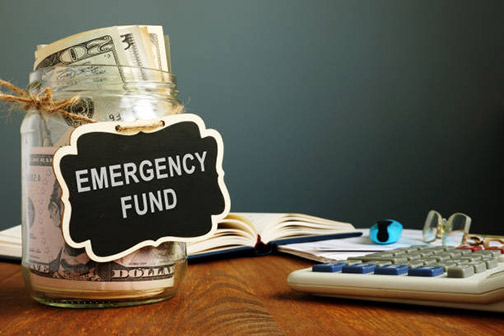
How do you handle such unexpected plumbing repairs in your home? Since you cannot pick and choose when plumbing problems will happen in your house, you must look elsewhere for the answer. The best strategy for dealing with unforeseen plumbing repairs in your home is to create an emergency fund for these eventualities. This post explains how you can do that.
Budgeting for unforeseen plumbing repairs
- How much should you budget?
The standing rule when budgeting for repairs is to target 1% to 4% of your home’s purchase price every year. This will help you determine how much you should save monthly. Whether the amount will actually cover your plumbing repair costs depends on the age of your home, the types of material in your plumbing, how many people live in the house, and how well the plumbing is maintained.
- Open a dedicated account
To avoid spending the money by accident, ensure the account is separate from the regular checking account you use for your day-to-day needs. To help your savings grow, choose a high-yield savings account. Some financial institutions have renovation or home repair specific accounts with special features that can help you toward your goals.
- Set up automatic transfers
Decide how much you want to transfer each month and set up automated contributions into the account to avoid the temptation of skipping your planned savings. Automatic transfers also ensure that your plan will stay on course even if you forget. For an older home with fragile plumbing systems, it makes sense to set aside more money every month.
- Assess the urgency of repairs
When problems happen in your plumbing, do not rush to fix them. If you do that, you run the risk of depleting your savings on repairs that are not emergencies. Know what constitutes a plumbing emergency such as a burst pipe. Plumbing emergencies are plumbing problems that prevent the normal use of the home’s plumbing and endanger your building and family.
- Talk to a professional
Get a professional plumber to evaluate your damaged plumbing and advise you on the best course of action. If the pipes are old, you don’t want to repair them when you should be replacing them. Using the right solution helps to maximize every dollar you spend on repairs. For every plumbing repair you plan to do in your home, get multiple quotes.
- Consider alternative funding
For costly repairs, consider other options like insurance and a home warranty. Ask your insurance agent what coverage options are available for your plumbing. You may also want to consider getting a home warranty. Unlike insurance, which covers damage from catastrophic events, a home warranty covers damage resulting from normal wear and tear.
Create a preventive plumbing maintenance plan
Most unexpected issues in your plumbing do not happen suddenly. They can often be averted with a plumbing maintenance plan.. The problems may have been going on undetected for a long time, until they eventually surfaced as a plumbing emergency. A preventive plumbing maintenance plan can help you uncover these hidden problems in your plumbing. How does a preventive plumbing maintenance plan work?
- Scheduled plumbing inspections
The first and most important step is to have periodic plumbing inspections. These checks are not done in response to problems in the system. Instead, they are conducted to determine whether there are problems in your plumbing or not. Scheduled plumbing inspections are the most effective way to spot and stop problems in your plumbing system at the early stages.
- Preemptive repairs and maintenance
This is done to prevent those detected issues in the plumbing from getting worse. Preemptive maintenance is not reactive (responding to problems); it is proactive (preventing problems). By letting you deal with your plumbing problems in a controlled manner, preemptive plumbing maintenance minimizes your plumbing maintenance costs.
Finally, you need an experienced Chicago plumber to oversee the maintenance of your plumbing systems. The plumber you hire to care for your plumbing is the most important factor in the overall health of your plumbing. If that plumber is incompetent, they can put your plumbing, your family’s health, and the structural integrity of your entire building at risk.