
Buying your first home is an exciting milestone. Along with the joy of owning your own space comes a long list of responsibilities, including the upkeep of essential systems like plumbing. Unfortunately, many new homeowners fall victim to widely believed plumbing myths—ideas that sound logical but can lead to expensive damage and unnecessary stress.
Whether it’s using popular household remedies or trusting outdated advice, these misconceptions can silently wreak havoc behind your walls. Understanding the truth behind these myths can save you time, money, and future headaches. This article uncovers the most common plumbing myths and explains why new homeowners should leave them behind for good.
You Can Flush Anything That Fits
One of the most damaging myths is the belief that if something fits down the toilet, it’s safe to flush. Items like paper towels, baby wipes, feminine hygiene products, and even “flushable” wipes may seem harmless, but they often don’t break down properly in plumbing systems.
These items can cause serious blockages in your pipes or damage your home’s septic system. Always stick to flushing human waste and toilet paper. Everything else belongs in the trash. Even products labeled “flushable” can mislead homeowners and create costly plumbing nightmares.
Plumbing Myths: Lemons Clean Your Garbage Disposal
Dropping lemon peels into the garbage disposal may make your kitchen smell fresh, but it doesn’t clean the appliance. Citrus peels can dull the blades over time and may even clog the drain, especially in older systems or if used too frequently.
Proper cleaning of the garbage disposal requires more than a pleasant scent. Use cold water and a small amount of dish soap while the disposal is running to clean it safely. For deeper cleaning, a few ice cubes can help dislodge debris and sharpen the blades.
A Dripping Faucet Isn’t a Big Deal
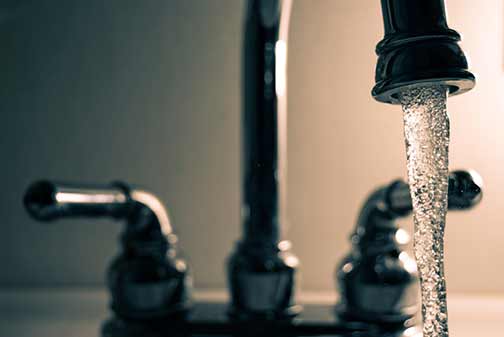
That slow drip from your bathroom or kitchen faucet might seem like a minor annoyance, but it’s far from harmless. A single dripping faucet can waste gallons of water every day. Over time, that adds up—not just to your utility bill, but in the wear and tear on your plumbing system.
Beyond the cost of wasted water, a consistent drip can signal issues like high water pressure or a failing valve, both of which should be addressed before they develop into more serious problems.
Store-Bought Drain Cleaners Are Safe and Effective
Many people assume that store-bought chemical drain cleaners are the fastest and cheapest way to deal with clogs. However, these products often contain harsh chemicals that can corrode your pipes, especially if used frequently.
The damage isn’t always immediate, which is why this myth persists. Over time, repeated use can weaken your plumbing, leading to costly repairs or even the need for replacement pipes. When you encounter a clog, it’s often better to use a plunger or a plumber’s snake. If those don’t work, calling a professional drain cleaning service is the safer route.
All Plumbers Are the Same
Hiring just anyone with a toolbox and a wrench is a mistake that many new homeowners make. Not all plumbers have the same level of training, certification, or experience. Choosing the wrong plumber can result in shoddy work, hidden damage, or even code violations that affect your home’s value.
Before hiring someone, always verify their credentials, read reviews, and get a written estimate. A good plumber will not only fix the issue but also help you understand how to prevent it from happening again.
Low Water Pressure Is Normal in Older Homes
It’s easy to chalk up low water pressure to the age of your house, but that’s rarely the real cause. Low pressure is often the result of sediment buildup in pipes, partially closed shut-off valves, or hidden leaks in the plumbing system.
Ignoring this issue can lead to further deterioration and more severe plumbing problems. If your new home has consistently weak water flow, it’s a sign that a deeper inspection is needed, not something to be ignored as “just how the house is.”
Water Heaters Don’t Need Maintenance
Many people mistakenly believe that their water heater will work fine without regular upkeep. But water heaters, like any appliance, need maintenance to operate efficiently and last longer.
Sediment from minerals in the water can build up at the bottom of the tank, reducing efficiency and increasing energy costs. Over time, this can lead to overheating and tank failure. Flushing the tank once a year and checking the anode rod are simple steps that can prolong the life of your water heater significantly.
Moving Means You Don’t Need to Worry About the Plumbing
It’s common for people to assume that when they move into a new house, the plumbing has already been checked and is in great shape. Unfortunately, that’s not always true. Previous owners may not have kept up with maintenance, or they may have used temporary fixes to hide bigger problems.
If you’re in the middle of packing up your household for a move, try using a few smart packing hacks—like color-coded labels and suitcase storage—to keep things organized and stress-free. This way, you will have time for plumbing inspections. This is a crucial time to identify any issues before settling in. A licensed plumber can provide peace of mind with a thorough inspection and ensure your new home’s system is functioning properly from day one.
If It’s Not Leaking, It’s Fine
A lack of visible leaks doesn’t always mean your plumbing is in great shape. Some of the most damaging leaks happen behind walls, under floors, or in crawl spaces—areas most homeowners rarely check.
These hidden leaks can lead to mold growth, structural damage, and ballooning water bills. Keeping an eye on your water meter, looking for signs of moisture or discoloration on walls, and scheduling occasional inspections can help catch problems before they get out of hand.
DIY Repairs Always Save Money
While DIY projects are tempting for cost-saving reasons, plumbing is one area where taking shortcuts can be expensive. You might be able to replace a washer or tighten a loose pipe on your own, but larger problems like pipe replacement, fixture installation, or leak detection require professional skills.
Improper repairs often lead to bigger issues down the line. If something goes wrong, you may end up paying far more than if you had called a licensed plumber from the start. Know your limits and don’t hesitate to bring in help when needed.
Final Thoughts: Small Mistakes Can Turn Into Big Problems
Myths and misinformation are everywhere, and when it comes to plumbing, believing the wrong advice can lead to some truly expensive lessons for new homeowners. Whether it’s underestimating a drip, misusing your garbage disposal, or trusting that a flushable wipe will do no harm, these small mistakes can snowball into big problems.
Understanding the truth behind common plumbing myths gives you the power to make smarter decisions and avoid preventable issues. Remember, it’s better to invest a little time and money upfront than to face unexpected plumbing disasters down the road. Your home deserves care from the ground up, including the pipes that keep everything flowing smoothly.