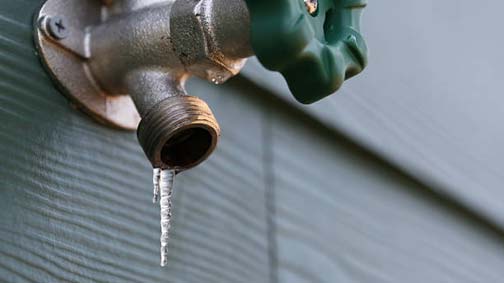
Chicago is well-known for its brutally cold winters. In winter, biting-cold winds and heavy snowfalls may drive average temperatures in the city below 27°F, with dire consequences for human comfort and home heating costs. One of the places in Chicago buildings where the impact of these winter temperatures is worst is in the plumbing. For tenants relying on Gregory rental services, understanding these challenges is essential to prevent costly damage.
Winter in Chicago brings its own unique set of plumbing problems, with the likelihood of unexpected and expensive plumbing emergencies highest at this time of the year. As a Chicago homeowner trying to navigate these difficulties, your best option is to know the most common winter plumbing problems in Chicago homes and how to prevent them.
8 common winter plumbing problems in Chicago homes
- Frozen pipes
Exposure to the winter cold can cause the water inside your water pipes to freeze. Pipes in the unheated spaces inside the house and along the exterior walls of your building are most vulnerable.
How to prevent the problem: Protect exposed pipes with pipe foam insulation or heat tapes. Check your exterior walls for air gaps at those points where pipes and electrical wires penetrate the walls. Keep cabinet doors slightly open to allow warm air to circulate into the cold spaces within the cabinets.
- Burst pipes
A frozen pipe can easily become a burst pipe because of the pressure exerted on the pipe walls by the expanding water. But you may not know that a frozen pipe has burst until the water inside it thaws.
How to prevent the problem: To prevent a burst pipe in your home, follow the steps for preventing frozen water pipes. In the event of a burst pipe in your home, a smart leak detection system can provide early warning to help you minimize damage.
- Low water pressure
Frozen pipes will limit or stop the free flow of water through your plumbing. Burst and leaking pipes can also contribute to this problem, especially if they happen in a part of the home where the damage is hard to spot.
How to prevent the problem: Install a pressure regulator in your home and ensure the device is serviced on a schedule. If you suspect a leak in your plumbing, enlist the expertise of a professional plumber to find it. Fix all leaks as soon as they are detected.
- Sump pump failure
Heavy snowmelt can cause water to intrude into your basement. This is not a problem if you have a working sump pump. However, if the discharge line is frozen, your sump pump will fail to remove water from your basement.
How to prevent the problem: Prepare your sump pump for winter by testing and servicing it. Insulate the exposed sections of the discharge line to prevent freezing and ensure it has a continuous downward slope to facilitate the free flow of water.
- Water heater problems
Increased demand on your water heater during winter can cause it to malfunction. If this happens, you may experience insufficient hot water or a complete lack of hot water.
How to prevent the problem: If you use a traditional water heater, flush the tank to remove sediments. If your tankless water heater has a heating element, descale it to improve efficiency. Also, inspect the cold and hot water supply lines for signs of damage.
- Clogged and blocked drains
The holiday season often means more people in your home and an increased likelihood of grease and other food scraps finding their way into your drains. Freezing temperatures can cause the grease inside your drainpipes to congeal, leading to blockages in your pipes.
How to prevent the problem: Before winter, have your drainpipes cleaned by rodding or hydrojetting them. Educate your household on the dangers of flushing grease into the drains. Install a drain strainer on the drain opening to catch debris.
- Sewer line backups
This can happen as an aftermath of a clogged drain. Cold temperatures can also slow the movement of wastewater through the pipes, eventually causing your sewer line to freeze.
How to prevent the problem: If you do a good job of preventing clogs in your drains, the risk of a sewer backup in your home is almost zero. To prevent the sewer line from freezing, ensure there are no air gaps in the system and that the soil above the line has not thinned out.
- Basement flooding
Clogged gutters can cause ice dams inside your roof, direct water from melted snow into the roof’s inner structures, or discharge water onto the walls of your home and into the basement. Your downspout can contribute to these issues by discharging in the wrong place.
How to prevent the problem: Clear the gutters to remove accumulated debris. If there are broken or loose sections in it, repair them, and ensure your downspout discharges water at a safe distance from the base of your house.
To fully ensure that your home is safe from all the aforementioned problems during winter, a qualified Chicago professional plumber can inspect your home and plumbing to spot any potential issues you may have missed.