Category Archives: water line replacement

Water Line Replacement 101: Essential Knowledge for Homeowners

Water Line Replacement 101

Understanding the Importance of Water Line Replacement

Water line replacement is part of the important home maintenance that often goes unnoticed until something goes wrong. As a homeowner, understanding the importance of water line replacement and the need to perform it regularly can save you from paying a fortune in repairs and even water damage. Water lines supply clean water to your household, and anything that goes wrong can lead to severe inconvenience and health risks. Regular water line maintenance and prompt replacement of water lines are required to keep your home’s water supply safe and functional.

Additionally, old or damaged water lines can result in leaks, which not only waste water but also drive up your utility costs. In other instances, the leaks can result in structural damage to your home, resulting in more costly and major repairs. By making water line replacement a priority, you safeguard your home from such threats and contribute to water conservation. Understanding when and why to replace your water lines empowers you to make knowledgeable decisions that help keep your property secure while protecting the environment as well.

Identifying Signs of Water Line Difficulty

Detecting signs of water line issues early on can prevent more serious issues. Common signs include sudden water pressure loss, sudden increase in your water bill, soggy areas on your lawn, or discolored water from your faucets. If you notice any of these signs, it may be time to have your water line inspected. Detecting these signs early on can save you from more damage and more expensive maintenance down the road.

Apart from these signs, strange noises such as bubbling or hissing sounds from your pipes also indicate that there is something wrong. Such noises typically point to air or water leaking from a broken pipe. Another indicator is a persistent moldy odor, which could be a sign of mold growth resulting from a hidden leak. Being vigilant to these indicators allows you to address upcoming issues before they turn into serious concerns, ensuring the longevity and efficiency of your water supply system.

Assessing the Demand for Water Line Replacement

Not all water line problems need to be replaced completely. Minor repair may sometimes do the trick. But if your water lines are old, rusty, or composed of outmoded materials such as lead or galvanized steel, replacement may be the best alternative. A professional plumber can also offer a better idea of whether a replacement is needed or not. They can evaluate the state of your water lines and suggest the most suitable action.

When determining whether you need replacement, it’s also worthwhile to take into account the age of your plumbing system. The older the system, the more likely it is to have leaks and other malfunctions. Also, if you find that you’re having plumbing issues repeatedly, it could be more economical in the long term to replace the whole system instead of making repeated repairs. A proper inspection by a professional plumber will help you weigh the repair and replacement costs and advantages so that you can make a smart choice for your property.

Employing the Appropriate Materials for Water Line Replacement

When putting in new water lines, the right materials are key to longevity and safety. Choices today are copper, PEX (cross-linked polyethylene), and PVC (polyvinyl chloride). All have advantages and disadvantages. Copper is durable and bacteria-killing, PEX is flexible and easy to install, and PVC is cheap and corrosion-proof. A professional will help you choose the ideal material for your specific use.

It is recommended to consider the climatic conditions of your region, water quality, and budget in deciding the material. For instance, copper pipes are recommended for places that have high water pressure, while PEX works better for areas prone to freezing temperatures as it is flexible. Additionally, considering the environmental impact of the material will enable you to select greener alternatives. By closely considering these factors, you can be sure that your new water lines will be working efficiently for your home for years to come.

Learning About the Water Line Replacement Process

Water line replacement is a process that comprises a number of steps ranging from planning and excavation to installation and restoration. The process starts by conducting a proper analysis of the current water lines in order to establish the scope of replacement required. Next, the area around the water lines is carefully excavated without damaging other utilities. The new water lines are next set into place with an assurance that they meet all safety and regulatory standards. Finally, your property is restored to its previous condition, with little or no disruption to your property.

All along, proper communication with your plumber is crucial. They will guide you through every step of the process, explaining what’s happening and answering all your questions to your satisfaction. Understanding the time factor and likely problems involved in replacement ensures proper preparation and a seamless transition. Being aware and engaged can assist you in scheduling a successful water line replacement that enhances the safety and efficiency of your home’s water supply.

professional water line replacement

Professionals possess the equipment, expertise, and training to deal with the intricacies of water line replacement.

Cost Impacts for Replacing Water Line

Replacement of the water line is a costly investment but a necessary one to guarantee the safety and functionality of the water supply. The cost will vary based on the length of the line, materials used, and difficulty in installation. While it is a nice idea to take the cheapest option, spending a bit more on quality materials and skilled labor can prevent future issues and be worth it in the long run.

For efficient management of costs, it’s advisable to get a number of quotes from reputable plumbing experts. This enables you to shop around for service and cost, ensuring value for money. In addition, there are homeowners who can get financing and rebates, particularly if they use eco-friendly materials. By tapping into these, you can obtain the replacement of the water line at a reduced expense without lowering the quality and durability.

Hiring a Professional for Water Line Replacement

Although some homeowners might want to try to do a water line replacement on their own, hiring a professional plumber is usually the safest and most effective solution. Professionals possess the equipment, expertise, and training to deal with the intricacies of water line replacement. They can also guarantee that the installation follows all local codes and regulations, which brings about peace of mind and ensures your investment.

When hiring a professional, ensure you verify their credentials and experience. Look for licensed and insured plumbers who have a history of successful water line replacements. Reading reviews from customers and referrals from friends or family can also help you get a good plumber. By contracting the job to a professional, you can be certain your lead water line replacement is handled safely and efficiently with little potential for future problems.

Preventive Measures to Extend the Life of Your Water Lines

After replacing your water lines, taking preventive measures can help extend their lifespan and prevent future issues. Regular inspections, maintaining proper water pressure, and avoiding chemical drain cleaners are all effective strategies. Additionally, being mindful of what goes down your drains can prevent clogs and reduce stress on your water lines.

Regular maintenance is necessary so that problems can be identified in advance. There includes leak tests, water pressure checks, and ensuring that all fittings are fine. By repairing minor problems early, you prevent them from developing into extensive repair work. In addition, making your household members aware of correct water usage can also make your water lines long-lasting and environmentally friendly.

Familiarity with Local Regulations and Permits

Before installing a replacement for a water line, it is necessary to be aware of local codes and permits. Most places have set codes regarding water line installations in order to ensure safety and protect the environment. Getting assistance from a professional plumber with knowledge of the local codes can help in fulfilling those requirements.

Obtaining the right permits and adhering to local codes is key to a good replacement job. If you do not adhere to these conditions, you can be fined or obliged to redo the work. With a professional who is experienced, you can have your water line replaced legally and to the highest of standards and have peace of mind and protect your investment.

The Environmental Impact of Water Line Replacement

Water line replacement can have environmental implications, primarily concerning water conservation and waste. Becoming green through materials and processes can minimize the effect on the environment. Further, replacing corroded and leaking pipes can conserve water and reduce the overall water usage of your home, contributing to a greener future.

When you are planning your replacement of the water line, take it upon yourself to apply green methods such as recycling of the old plumbing materials and selecting energy-efficient means of installation. These efforts can significantly reduce the environmental footprint of your project. By prioritizing sustainability, you not only benefit your home but contribute to greater environmental conservation efforts, which will ensure a healthier world for future generations.

Conclusion: Empowering Homeowners with Knowledge

Water line replacement is one of the most important elements of homeownership that requires genuine thought and planning. Knowing water line issues, selecting proper materials, and employing professionals can assist homeowners in benefiting from a safe and reliable water supply. Learning about these steps not only protects your home but also guarantees the general health and well-being of your family. Remain informed, proactive, and prepared to overcome any water line issue that could occur.

Being a homeowner, being proactive to know about water line replacement will lead to informed decisions that enhance the safety, efficiency, and sustainability of your home. Being proactive and engaged, you can be capable of managing the problems of water line maintenance and replacement without intimidations, and you will have a reliable and safe water supply for years to come.

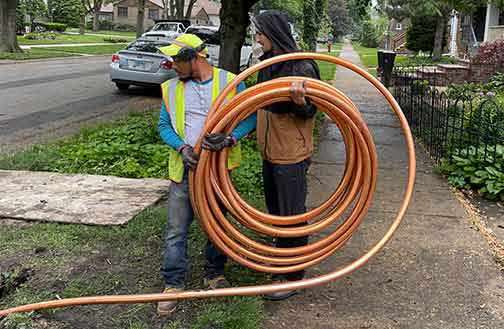
What To Know Before Replacing Water Lines in Your Chicago Home

What To Know Before Replacing Water Lines in Your Chicago Home

Replacing water lines in your Chicago home can be a significant undertaking, but it is often necessary to ensure the efficiency and safety of your plumbing system. If you are dealing with old pipes that have deteriorated over time or you want to upgrade to more modern and durable materials, understanding what to know before starting the project is crucial. Below we will guide you through the essential considerations to keep in mind when replacing water lines in your Chicago home, providing you with the knowledge to make informed decisions and ensure a successful outcome.

Assessing the Need for Water Line Replacement

Before deciding to replace your water lines, it is essential to assess the need for replacement. Several signs can indicate potential issues with your current pipes, including:

  • Low water pressure
  • Frequent leaks
  • Discolored water
  • Strange odors

If you observe any of these signs, it is crucial to speak with a professional plumber to determine if a replacement is necessary. They will be able to assess the condition of your water lines and provide expert advice on the best course of action.

Understand the Different Types of Water Pipes

When replacing water lines in your Chicago home, it is important to understand the different types of water pipes available. The common options include:

  • Copper pipes: Copper has been a popular choice for water lines due to its durability and resistance to corrosion. However, it can be more expensive than other options.
  • PEX pipes: Cross-linked polyethylene (PEX) pipes have gained popularity in recent years due to their flexibility, affordability, and ease of installation. PEX pipes are also resistant to freezing and bursting.
  • Galvanized pipes: Galvanized pipes were commonly used in older homes but have fallen out of favor due to their susceptibility to deterioration and reduced water flow over time.

Understanding the pros and cons of each type will help you make an informed decision based on your budget, preferences, and the specific needs of your home.

Consider the Impact on Water Quality

When replacing your water lines, it is essential to consider the impact on water quality. Different materials can have varying effects on the taste, odor, and overall quality of your water supply.

If you have concerns about water quality, especially if you’ve experienced issues in the past, you may consider installing a water filtration system or consulting with a water quality professional. They can recommend appropriate measures to ensure clean and safe drinking water.

Obtain the Necessary Permits

Before starting any water line replacement project, it is essential to obtain the necessary permits from the local authorities. Chicago, like many other cities, requires permits for plumbing work to ensure compliance with building codes and regulations.

Working without the proper permits can result in hefty fines and potential legal complications. Hiring a licensed plumber will typically ensure that they take care of the permitting process on your behalf, giving you peace of mind.

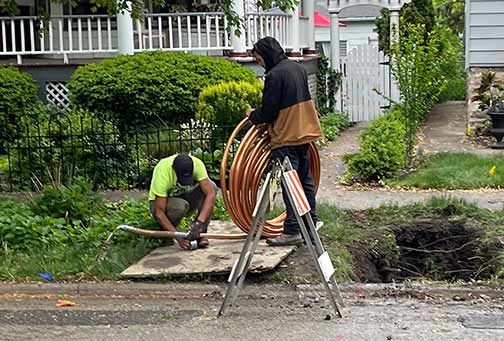
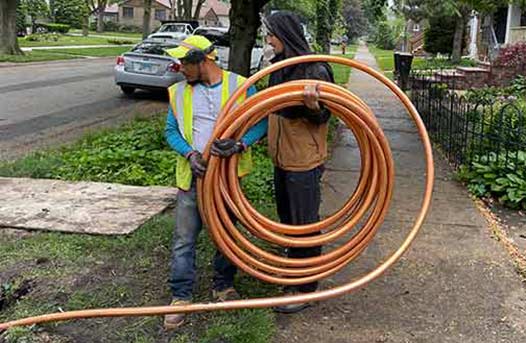
a water line replacement taking place in chicago.

By selecting a reputable and experienced plumber, you can have confidence in the quality of their workmanship and the longevity of your new water lines.

Hire a Professional Plumber

Replacing water lines is a complex task that requires the expertise of a professional plumber. While it may be tempting to take on the project yourself to save money, hiring a professional is strongly recommended.

A licensed plumber will have the necessary knowledge and experience to handle the job safely and efficiently. They will also be familiar with local plumbing codes and regulations, ensuring that the installation is up to standard.

When choosing a plumber, it is important to:

  • Do thorough research and read customer reviews
  • Verify their licensure and insurance
  • Request multiple quotes to compare prices
  • Ask about warranties or guarantees on their work

By selecting a reputable and experienced plumber, you can have confidence in the quality of their workmanship and the longevity of your new water lines.

Plan for Disruption and Restoration

Replacing water lines in your Chicago home can cause some temporary disruption to your daily routines. It is important to plan for this and make necessary arrangements to minimize inconvenience.

Discuss the project timeline with your plumber, including estimated start and completion dates. This will allow you to make any necessary preparations, such as arranging alternative water sources or adjusting your schedule accordingly.

Additionally, it is crucial to discuss the restoration process with your plumber. Will they be responsible for repairing any damages caused during the installation? Will landscaping or other areas of your home be affected? Clarifying these details in advance will help ensure a smooth and hassle free experience.

Budgeting for the Project

Replacing water lines is an investment in the long term functionality and value of your Chicago home. It is essential to budget for the project accordingly to avoid any financial surprises.

When preparing your budget, consider the following expenses:

  • The cost of materials
  • Professional labor fees
  • Permit fees
  • Any additional plumbing upgrades or improvements

Obtaining multiple quotes from different plumbers will help you get a clearer idea of the overall costs involved. Keep in mind that while it may be tempting to opt for the lowest price, the quality of work and materials should be your top priority.

Maintain Regular Plumbing Inspections

Once your water lines have been replaced, it is crucial to prioritize regular plumbing inspections and maintenance. By identifying and addressing potential issues early on, you can prevent costly repairs and ensure the longevity of your plumbing system.

Schedule periodic inspections with a professional plumber who can assess the condition of your pipes, identify any leaks or vulnerabilities, and perform necessary maintenance tasks. Additionally, practicing proactive measures such as avoiding harsh chemicals and being mindful of what goes down your drains can help prevent future plumbing problems.

Wrapping It Up

Replacing water lines in your Chicago home is a significant undertaking that requires careful consideration and planning. By assessing the need for replacement, understanding different pipe materials, considering water quality, obtaining permits, hiring a professional plumber, planning for disruptions, budgeting appropriately, and prioritizing regular maintenance, you can ensure a successful water line replacement project.

Remember, when it comes to your home’s plumbing system, investing in quality materials and workmanship is crucial for long term efficiency and peace of mind.

The Essential Factors to Consider Before Replacing a Broken Water Service Line

The Essential Factors to Consider Before Replacing a Broken Water Service Line

When it comes to replacing a broken water service line, there are several essential factors that need to be considered. This is not a decision that should be taken lightly, as it can have significant implications for both your property and your budget. In this article, we will explore the key factors that should be taken into account before replacing a broken water service line. Whether you are a homeowner or a property manager, understanding these factors will help you make an informed decision and ensure that the replacement process goes smoothly.

The Importance of a Functional Water Service Line

Before diving into the factors to consider before replacing a broken water service line, it’s important to understand the role that this line plays in your property’s overall water infrastructure. The water service line connects your property to the main water supply, allowing water to flow into your building’s plumbing system. If the water service line is broken or damaged, it can lead to a range of issues, including low water pressure, leaks, and even contamination.

Expert Assessment

One of the first steps you should take when considering a water service line replacement is to seek out the expertise of a professional plumber or water service line specialist. They will be able to assess the condition of your current water service line and provide you with an accurate diagnosis of the problem. This assessment will help you determine whether a replacement is necessary, or if a repair is a viable option.

Cause of the Breakage

Understanding the cause of the water service line breakage is crucial in determining the best course of action. There are several common causes of water service line breakage, including aging pipes, ground movement, tree root intrusion, and freezing temperatures. By identifying the root cause, you can take preventive measures to avoid future breakages.

Material Selection

When replacing a broken water service line, it’s important to consider the materials that will be used. The choice of materials will depend on various factors, such as the soil conditions, water quality, and budget. Commonly used materials for water service line replacement include copper, PVC, and PEX. Each material has its own advantages and disadvantages, so it’s essential to select the one that best suits your specific needs.

Permitting and Regulations

Before undertaking any water service line replacement, it’s crucial to ensure that you comply with all necessary permits and regulations. Different jurisdictions may have specific requirements regarding the installation and replacement of water service lines. It’s important to consult local authorities or your municipality to obtain the required permits and ensure that the replacement process is carried out in accordance with the regulations.

Cost Considerations

The cost of replacing a broken water line can vary depending on several factors, including the length of the line, the materials used, and the complexity of the installation. It’s important to obtain multiple quotes from reputable contractors to ensure that you are getting a fair price for the replacement. Additionally, it’s important to consider the long-term cost implications, such as maintenance and potential repairs, when making your decision.

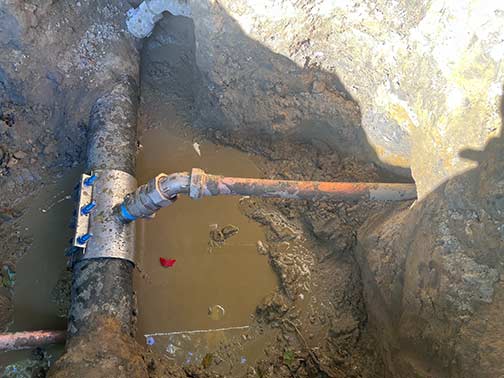
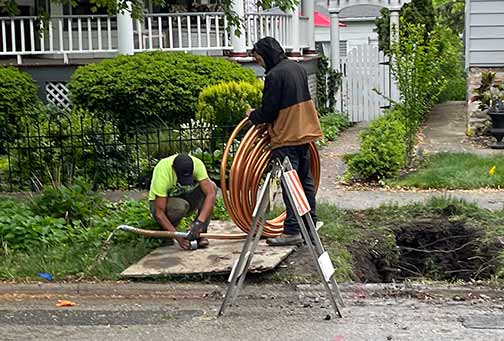
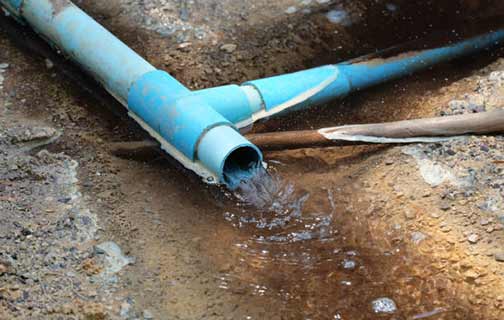
water service line replacement.

It’s important to discuss the potential impact on your property with your contractor and make necessary arrangements to minimize any damage or inconvenience.

Timeline and Disruption

Replacing a water service line can be a time consuming process that may cause disruptions to your property. It’s important to discuss the timeline with your chosen contractor to ensure that the replacement can be completed within an acceptable timeframe. You should also consider how the replacement process may disrupt your daily activities, especially if the water supply to your property needs to be temporarily shut off. Planning ahead and making necessary arrangements can help minimize inconvenience during the replacement.

Impact on Property

Replacing a water service line can have an impact on your property, both during and after the replacement process. Excavation may be required to access the water service line, which can lead to disruptions to your landscape or paved areas. It’s important to discuss the potential impact on your property with your contractor and make necessary arrangements to minimize any damage or inconvenience.

Wrapping It Up

Replacing a broken water service line is a significant decision that requires careful consideration of various factors. By understanding the importance of a functional water service line, seeking expert assessment, identifying the cause of the breakage, selecting the appropriate materials, complying with permits and regulations, considering the cost implications, planning for the timeline and disruption, and mitigating the impact on your property, you can make an informed decision and ensure a successful replacement process. Remember, it’s always best to speak with professionals who can provide you with the necessary guidance and expertise throughout the entire process.

The Dangers of Lead Water Lines in Chicago: Replacement and Cost Considerations

The Dangers of Lead Water Lines in Chicago

Lead water lines in cities across the United States, including Chicago, pose a significant health risk to residents. With aging infrastructure and outdated plumbing systems, the presence of lead in drinking water has become a pressing concern. Here we will explore the dangers of lead water lines in Chicago, the importance of their replacement, and the cost considerations involved.

Understanding the Hazards of Lead Contamination

Lead is a highly toxic metal that can have severe consequences on human health, particularly in young children and pregnant women. When lead pipes corrode, they can release lead particles into     the drinking water supply. Ingesting lead-contaminated water over time can cause lead poisoning, which can lead to developmental delays, learning disabilities, and a range of other health problems.

The Prevalence of Lead Water Lines in Chicago

Chicago, like many older cities in the United States, has a significant number of lead water lines serving residential properties. These lead service lines were commonly installed before the dangers of lead were fully understood or regulated. It is estimated that around 400,000 properties in Chicago still have lead service lines, potentially putting thousands of residents at risk.

The Importance of  Water Line Replacement

Given the serious health risks associated with lead-contaminated water, the replacement of lead water lines in Chicago is of utmost importance. The City of Chicago has taken steps to address this issue and has implemented a program to replace lead service lines. However, it is essential for property owners to understand their responsibilities and take immediate action to ensure the safety of their drinking water.

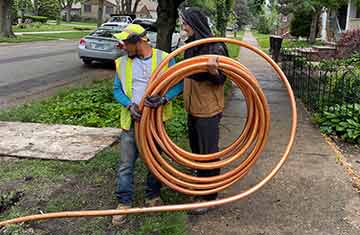
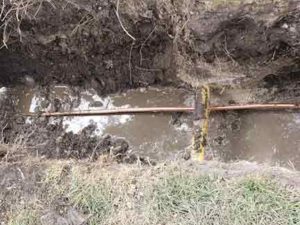
main water line replacement in chicago.

By eliminating the potential for lead contamination in the water supply, we can reduce the risk of lead poisoning and its associated health consequences.

The Process of  Water Line Replacement

Lead water line replacement involves the removal of existing lead service lines and replacing them with safer materials, such as copper or high-density polyethylene (HDPE) pipes. The process typically requires coordination between the property owner, a licensed Chicago plumber, and the city’s water department. It is important to follow the specific guidelines and regulations set forth by the city to ensure a successful and compliant replacement.

The Cost Considerations of Water Line Replacement

The cost of lead water line replacement can vary depending on various factors, including the length of the service line, the type of material used for replacement, and any additional repairs or modifications required. While the responsibility of lead water line replacement falls on the property owner, the City of Chicago offers financial assistance programs to help alleviate some of the financial burden. It is advisable to explore these programs and consult with professionals to determine the cost implications and available options.

Health and Environmental Benefits of Lead Water Line Replacement

Replacing these water lines not only safeguards the health of residents but also benefits the environment. By eliminating the potential for lead contamination in the water supply, we can reduce the risk of lead poisoning and its associated health consequences. Moreover, the use of modern, non-toxic materials in water line replacements contributes to the overall improvement of water quality and sustainability.

In Conclusion

Lead water lines in Chicago pose significant health risks and must be promptly replaced. The dangers of lead contamination are well-known, and the City of Chicago is taking steps to address this issue. However, it is crucial for property owners to understand the importance of lead water line replacement and take action to protect the health of themselves and their families. While there may be cost considerations involved, financial assistance programs are available to help mitigate the financial burden. By prioritizing lead service line replacement, we can ensure safer, healthier drinking water for all residents of Chicago.

Interested in replacing your lead service line in Chicago? Contact us at 773-599-9181 or by form below:

The Role of Main Water Line Replacement in Ensuring Safe and Reliable Water Supply Systems: Insights from Professionals

Role of Main Water Line Replacement

The water supply system in your home is easily the biggest difference between your home and the homes that existed 150 years ago. Access to modern plumbing systems is why we no longer fetch water from streams and transport it over long distances to our homes.

But do you ever ask yourself how this system works?

After the home’s electrical wiring, the plumbing is the most extensive system in your home, says Specialized Property Management Oklahoma City. The network consists of hundreds of feet of pipes with joints, fittings, and other features. This system is divided into two parts: the main water line and the web of pipes connected to it.

Today, we will look at the main water line: the plumbing feature with the most influence on the quality and efficiency of your home’s water supply.

What is the main water line?

The main water line is the large pipe that carries water from the municipal supply into your home. The pipe is usually underground and connected to your water meter and main water shut-off valve. The pipes for the individual plumbing fixtures in your home are all linked to the main water line. 

Whatever affects your main water line affects the entire water supply for your home. Common issues that can affect your main water line include:

  • Corrosion: Given that it is underground, the water line is particularly susceptible to corrosion due to constant exposure to soil and groundwater.
  • Tree root intrusion: Tree roots may dislodge the main water line by growing around it. Tree roots can also penetrate the pipe, leading to blockages and water contamination.

  • Shifting soils: If the soil around the home is not unstable, changes in the underground conditions can damage the main water line by altering its slope or cracking it.

  • Hydraulic damage: Sudden or sustained changes in the pressure may damage the water line. A common cause of this problem is the installation of systems – pressure gauges, well pumps, cutoff switches, etc. – that are not suited to the plumbing.

  • Freezing and thawing: This is a less common problem that happens mostly to pipes that are buried less than four feet in the ground.
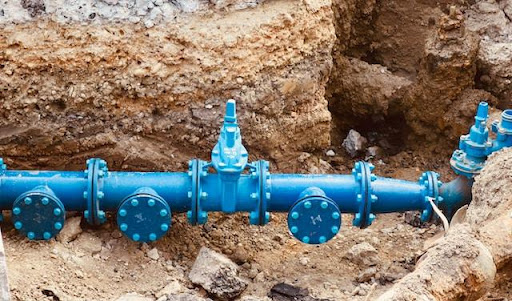
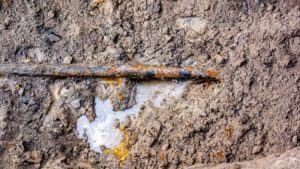
main water line maintenance.

If the water line leak is above ground, the resulting flood can ruin your lawn and overflow into the street in front of your home or your neighbor’s properties.

The impact of main water line issues on your home

What are the possible impacts of any of the above problems?

  • The first obvious issue is contamination of the water supply. All unwanted materials, including lawn chemicals and sewage, can enter a broken main water line.

  • A broken water line will affect the reliability of the home’s water supply. The issues can range from low water pressure to complete termination of the water supply.

  • If a water line burst happens below ground, the problem is less obvious but not less damaging. The leak can damage the home’s foundation and impair its structural integrity.

  • If the water line leak is above ground, the resulting flood can ruin your lawn and overflow into the street in front of your home or your neighbor’s properties.
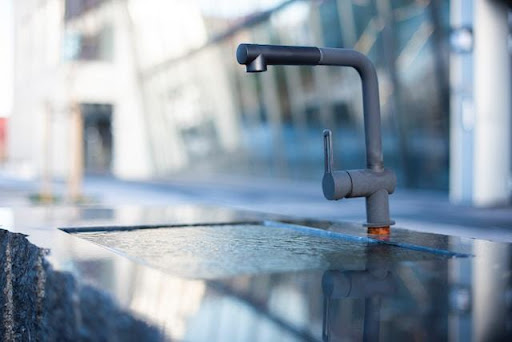
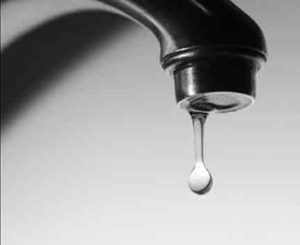
flowing water from a tap.

If your home’s main water line is starting to show signs of failure, any solution that does not include the replacement of the existing line is simply a stop-gap.

Safeguarding your water supply via a main water line replacement

Water line replacement is often an unplanned but necessary step when your home’s main water line starts to show troubling signs. This crucial step is the only way to put an end to all water supply issues in your home if they are caused by the main water line.

If your home’s main water line is starting to show signs of failure, any solution that does not include the replacement of the existing line is simply a stop-gap. While these temporary solutions may offer immediate relief, they also worsen problems in the main water line.

What happens is that when the main water line eventually fails, the ensuing damage costs a lot more money than the homeowner saved by avoiding a replacement of their main water line. How can you tell when you need a main water line replacement.

  • Leaks: These leaks manifest in different ways. You may need to have a professional plumber inspect the main water line to detect where it is leaking.

  • Low water pressure: This is a more subtle sign of problems in your main water line, and it can result from leaks in the water line or blockages.

  • Strange noises: Strange noises from the water pipes and plumbing fixtures in your home may be coming from the main water line.

What should you do if you suspect that the main water line in your home is damaged?

You need to have an expert inspect and test the water line and the entire plumbing to identify any problems. The expert will also recommend the best water line replacement method for you (based on costs), the kind of pipes in the water line, and other considerations.

Finally, it is always a good idea to deal with these kinds of problems sooner rather than later to avoid future complications and bigger costs. That is why you may want to take action right now.

Benefits of a Water Line Replacement in Chicago

Benefits of a Water Line Replacement in Chicago

Improving Water Quality

One of the major benefits of a water line replacement in Chicago is the significant improvement in water quality. Over time, old water lines can become corroded and deteriorate, resulting in a decrease in the quality of the water that flows into homes and businesses. By replacing the outdated water lines, residents and businesses can enjoy clean and safe water that is free from contaminants, rust, and other impurities.

Enhancing Water Pressure

Another advantage of a water line replacement is the enhancement of water pressure. Aging water lines often experience leaks and clogs, which can lead to a decrease in water pressure. This can be particularly frustrating for residents who rely on adequate water pressure for various household tasks such as showering, washing dishes, and doing laundry. By replacing the old lead water lines, water pressure can be restored to optimal levels, ensuring a steady flow of water.

Reducing Water Loss

Old and damaged water lines are prone to leaks and cracks, which result in significant water loss. This not only wastes valuable water resources but also leads to increased water bills for residents and businesses. By replacing the outdated water lines, the occurrence of leaks and cracks can be minimized, resulting in a more efficient water distribution system and reduced water loss. This is not only beneficial for the environment but also helps to lower water bills for consumers.

Preventing Costly Repairs

Proactively replacing water lines in Chicago can help prevent costly repairs in the future. As water lines age, they become more vulnerable to damage, such as leaks and bursts. These issues can result in significant property damage and require expensive repairs. By investing in a water line replacement, property owners can avoid the hassle and expense of dealing with emergency repairs caused by water line failures. This provides peace of mind and saves both time and money in the long run.

Ensuring Reliable Water Supply

An outdated water line system can lead to unexpected disruptions in the water supply. Whether it’s due to leaks, bursts, or other infrastructure issues, an unreliable water supply can cause inconvenience and frustration for residents and businesses. By replacing the aging water lines, the reliability of the water supply is greatly improved. This means residents and businesses can have confidence in a consistent and uninterrupted water supply for their daily needs.

Increasing Property Value

Investing in a water line replacement can also have a positive impact on property value. Potential homebuyers and tenants often prioritize the quality and reliability of utilities, including the water supply. By upgrading the water lines, property owners can attract buyers and tenants who value a well-maintained and efficient water system. This can lead to higher property values and increased demand for the property.

Supporting Sustainable Development

Replacing outdated water lines is not only beneficial for individual properties but also contributes to sustainable development on a larger scale. By reducing water loss, improving water quality, and enhancing water distribution efficiency, a water line replacement in Chicago supports sustainable water management practices. Conserving water resources and ensuring a reliable water supply for future generations is an important aspect of sustainable development.

In Conclusion

A water line replacement in Chicago offers numerous benefits, including improved water quality, enhanced water pressure, reduced water loss, prevention of costly repairs, reliable water supply, increased property value, and support for sustainable development. Property owners and residents who invest in this upgrade can enjoy clean and safe water, lower water bills, and peace of mind knowing that their water infrastructure is efficient and reliable. By prioritizing the replacement of outdated water lines, Chicago can maintain a modern and sustainable water distribution system for the benefit of its residents and the environment.

Do You Need to Replace Your Main Water Line?

Do You Need to Replace Your Main Water LineThe main water line is the primary pipe that supplies all the water you use for your various household needs. It carries water from the public supply into your home. This pipe is usually buried around three feet deep in the yard, so most times you don’t even know it’s there.

For most homeowners, says Innovative Property Solutions, the only time they think of the main water line is when they need to turn off the water supply to the whole house. Because this part of the home’s plumbing system is largely out of sight, it tends to get overlooked during maintenance.

But the main water line is the most important part of your home’s plumbing. Without it, you couldn’t use many of the appliances in your home nor could you maintain personal hygiene. This is why you want to stay up-to-speed with the condition of the main water line.

Common main water line problems

Age

replace-water-line

Aging pipes are more susceptible to damage. Accumulated wear and tear may result in the collapse of the main water line. If your home was built before 1960, you may have lead or galvanized water lines. These pipes are dangerous and prone to corrosion.

Soil movements

Upward, downward, or sideways soil movements will exert pressure on pipes. Shifting soils will force the pipe out of place or out of shape and this can happen slowly over a period of time.

Changing water pressure

High water pressure is the main culprit here and it is a bigger problem with aging pipes. Sudden changes in pressure may cause a burst pipe emergency. Low pressure is also a problem because it leads to increased sedimentation inside the pipes.

Sediment buildup

This can result from mineral buildup. If the water in your area is hard, the mineral content will be deposited in the pipes as the water passes through. Over time, the pipe becomes narrower and more likely to burst under pressure or get clogged.

Tree root damage

Tree roots can penetrate the main water line and block it. A tree root can also wrap itself around the pipe and choke it, reducing, or cutting off the water supply. Tree roots will typically do this only when there is a leak in the pipe.

Human error

If the main water line was poorly installed, it will be prone to damage. This problem usually doesn’t show up immediately after the pipe is installed. Pipes can also get damaged by digging such as when installing a sprinkler system in the yard.

Past repairs

If the main water line has been repaired in the past, there is a chance that future problems will occur around those areas that were repaired. This can happen even if the repair was properly done.

There is a lot that can happen to damage the main water lines in your home. But you cannot tell what is causing the problem until you dig down to the pipes. Fixing main water issues can be tedious and costly; you don’t want to do it more than once. 

This is why it is essential to know when problems call for the replacement of your main water line. How can you tell when there are problems with the main water line and when it is time to replace the pipes?

Signs of damage to the main water line

Low water pressure

water-trickle

A break in your main water line will cause a drop in overall water pressure.

A break in your main water line will cause a drop in overall water pressure. The severity of the problem depends on the extent of the damage. A small leak may not be noticeable. However, any decrease in water pressure should be investigated at once. Even if it is a major leak, you may not notice because the pipe is encased in soil which seals the leak. Sedimentation will also cause drops in water pressure.

Poor water quality

This could be discoloration due to the presence of debris that has seeped into the water from the surrounding soil. It could also be from mineral sediments in the pipes. If the water has a yellowish appearance, foul odor, or a gritty texture, you need to check your main water line. This problem will often happen alongside a drop in water pressure.

Water-logged front yard

If the front yard is inexplicably soggy – the water is not coming from your sprinkler and it has not rained – your main water line is most likely leaking. Sometimes the problem is so bad you will see water bubbling up to the surface of the lawn.

Spiking utility bills

high-water-bill

When your water bill increases suddenly and there is no reason for it, it means there is a leak in your plumbing system. If you check the plumbing inside the home and the basement but can’t find the leak, the problem is probably located underground in your main water lines.

For any of these issues, you need to call a professional plumber asap. Only after the pipes have been uncovered can you determine the extent of the problem to know if you should replace your main water line or not.

error: Content is protected !!