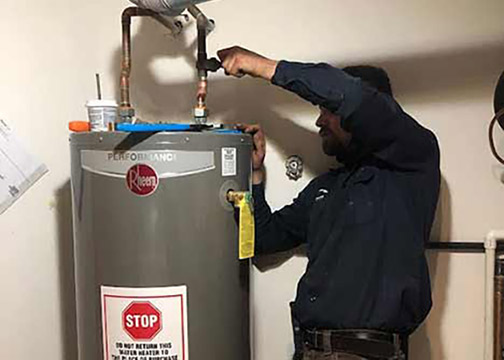
When installing a new water heater in your home, following the right steps will help to maximize your enjoyment and longevity of the appliance. When you skip these vital steps, it may feel like you are saving time and money. But shortcuts taken during installation are often the reason for the many hot water issues experienced in homes, notes Excellence Property Management.
If you are thinking of replacing the old water heater in your Lakeview (Chicago) home, this guide will walk you through the steps you should follow to ensure the optimal functioning of your new water heater. It explains the pre-installation steps, installation process, and what to do after installation, as well as why those steps are important.
A comprehensive guide for replacing your home’s water heater
- Estimating your home’s hot water needs
Estimate how much hot water you will need: Here, you check how much hot water your household uses, the usage pattern, and the best type of water heater for your home. To accurately estimate your water usage, sometimes it is necessary for the plumber to also check how well your old water meter served your family’s needs.
Determine the home’s water usage patterns: In addition to the volume of hot water used in your home, the home’s hot water usage habits also matter. If you experience huge spikes in demand during peak hours, you may need a storage water heater. However, if demand is even throughout the day, a tankless water heater installation may be the right choice for your home.
Account for excess demand: When estimating water usage, do not forget to factor redundancy into the system. In other words, instead of a water heater that meets your home’s water usage needs exactly, opt for one with slightly more capacity. This prevents hot water shortages if you have visitors or the size of your household increases.
- Installation location and building codes
Local code requirements: Most new water heater installations require you to obtain a permit. Permits ensure that installations meet existing codes. The specific codes for an installation depend on the type of water heater. For instance, gas-powered systems require proper venting, and electric water heaters have rules for their circuits. New installations must also meet specified safety standards.
Installation location: Two critical factors to consider in a potential installation location are ventilation and clearance. Ensure that the entry path (doorway) can accommodate the water heater during installation, and there is enough access for easy maintenance of the system afterwards. Other areas to consider include access to utilities and the proximity of your water heater to frequently-used water points (to minimize heat loss).
- Choosing the fuel type
The type of fuel affects the performance, ownership, and installation cost of a water heater. You can choose between an electric, gas, solar, or heat pump water heater. Each fuel type has its pros and cons.
Gas water heaters: They heat water faster than electric systems and have lower operating costs. They will also work during a power outage. However, they have higher initial costs, require more space (due to gas lines and venting needs), and there are associated safety issues.
Electric water heaters: These have lower initial and installation costs. They don’t come with a risk of gas leakage, and they are more compact than gas systems. However, their operating cost is higher, and they are affected by power outages. Electric systems also take longer to heat water.
Heat pumps: Heat pumps are the most energy-efficient water heaters. They have lower operating costs, and they are environmentally friendly. However, they have even bigger space requirements than gas systems. Also, the installation process is complex.
Solar water heaters: Solar water heaters are extremely eco-friendly. After purchase and installation, they have almost zero operating costs. However, they have high upfront costs, and they need a backup system because in winter and on cloudy days, their efficiency drops.
- Installation and post-installation
Installation: Installing your new water should not be a problem if you followed the pre-installation steps above. Your exact installation process will depend on the type of water heater you chose. Heat pumps have the most involved installation procedure, followed by gas water tanks. But this should not be a problem if you are working with an experienced installer.
Post-installation: After installing the system, run it to be sure that it is working as expected. To ensure that there are no hidden problems, let the water heater run for a while, then recheck for leaks and other problems. Finally, you may want to arrange to have your water heater inspected and maintained on a schedule to keep it functioning optimally and prolong its lifespan.
Finally, a huge factor in the function and longevity of your water heater, apart from the type of water heater and how well you maintain it, is the quality of your water heater expert. Working with a licensed Chicago plumber will help you get the most out of your new water heater.
—
Looking to have your water heater replaced in the Lakeview, Chicago area or nearby? Our Chicago plumbers can help! Call us today at 773-599-9181!