Category Archives: plumbing issues in chicago

How Our Professionals Diagnose and Repair Complex Plumbing Issues in Chicago

how our professionals diagnose and repair complex plumbing issues in chicago

Some plumbing problems in your home are easy to solve because the root cause of the issue and the right solutions are very clear. For instance, if a faucet is dripping or your toilet is running, a simple YouTube search will tell you how to fix the problem.

But not all plumbing problems in your home are like that, says EPM Elite Properties. Some plumbing issues come with complex symptoms that leave you confused about the real cause of the problem. For instance, low water pressure in your home may be due to three different but unrelated causes.

There are also plumbing problems that appear straightforward at first but turn out to be complicated in the end. For example, a clogged toilet may result from a collapsed section of the sewer line instead of being the result of someone flushing something down your toilet drain.

Complex plumbing problems in your home ultimately lead to worse issues like structural problems. Examples of these kinds of problems include mineral deposits in water lines, persistent drain issues, silent leaks within walls/flooring, and many more.

Because they don’t come with clear signs, these problems force you to waste time and money. How do you deal with complex plumbing issues in your home? When you don’t know what is wrong with your plumbing, one of our professional plumbers can help you.

How Chicago Plumbing Experts detect and fix complex plumbing issues in your home

When our plumber first arrives at your home, they may not know the exact cause of the plumbing problems. Even if they can make an educated guess based on experience and the information you give them, they still have to take definite steps to diagnose the problem.

Depending on the kind of problem, these steps will include at least one of the following:

  1. Conversation with the homeowner

Just like when you visit a doctor, your plumber wants to get as much info as possible about the problem. When did you first notice the issue? How long has it been going on? What steps have you taken to solve it? Detailed firsthand information helps our plumber narrow down the list of the potential causes of the problem.

  1. Visual inspection

This doesn’t involve the use of specialized tools. The plumber wants to get their eyes on your plumbing system. They will conduct a superficial – surface level – inspection of drains, toilets, sinks, exposed pipes, and other accessible parts of the plumbing. This step helps our plumbers make better sense of what you have told them, and they can get clues on where to focus attention.

For a more in-depth look at the plumbing, our plumber will use some of the tools described below:

  1. Infrared detection: Infrared cameras detect temperature differences beneath hard surfaces. Because the camera can sense the unique heat signature of moisture, it is used to detect hidden leaks within walls and flooring. In addition to leaks, it can pick up the thermal patterns that indicate some other kind of plumbing issue. Infrared technology allows for non-invasive leak detection. So you don’t have to break your wall to inspect your pipes.
  1. Sewer camera inspection: This specialized camera is used to inspect the interior of sewer pipes and underground drainage pipes. The waterproof camera is inserted into the blocked or damaged pipe, and it sends back a high-resolution video of the inside of the pipe as it travels through the line. The plumber can then scrutinize the image to detect the problems in the line.
  1. Moisture meters and moisture sensors: Moisture detection equipment either shows a numerical readout or emits an audible beep to indicate elevated moisture levels in drywall, insulation, carpet, subflooring, wood, concrete, etc. Non-penetrating meters are used where the surface cannot be damaged. There is a wide range of moisture detection devices for different types of surfaces and plumbing problems.
  1. Gas leak detectors: These are used to detect the presence of flammable gases –  methane, propane, and butane – in the air. They are used in homes with gas water heaters, where there is a chance that the gas line is leaking or the system is not venting properly. Gas leaks can be life-threatening if they happen in an enclosed space. Sometimes, the presence of gas is undetectable except with a gas leak detector.
  1. Water analysis: This helps to detect water quality issues in your home; it can reveal the presence of soil and minerals in your water. If your water is discolored, water analysis helps the plumber determine if it is due to rust or because soil is making its way into the pipe through a leak. Water analysis is also used to uncover the root causes of low water pressure in homes.

To conclude, most homeowners can recognize problems that affect their home’s water supply or the function of their plumbing. However, just because they can recognize these problems does not mean they understand them.

Many times, when homeowners think they are solving a plumbing issue in their home, they are only addressing the symptoms. Our professional plumbers can diagnose and solve plumbing issues in your home, helping to stop the problem from escalating.
Navigating Plumbing Issues: How to Decide Between Calling a Plumber or the Water Company in Chicago

How to Decide Between Calling a Plumber or the Water Company in Chicago

Chicago, the large city on the shores of Lake Michigan, is known for its stunning architecture, vibrant culture, and deep-dish pizza. However, like any other city, Chicago residents occasionally encounter plumbing issues that require immediate attention. When faced with a plumbing problem, it can be challenging to determine whether to call a plumber or reach out to the water company for assistance. Below we will explore the factors to consider when making this decision, ensuring that you can navigate plumbing issues effectively.

Understanding the Roles of a Plumber and the Water Company

Before diving into the decision-making process, it is crucial to understand the roles of a plumber and the water company. By having a clear understanding of their responsibilities, you can better assess who to contact when faced with a plumbing issue.

Plumber

A plumber is a professional tradesperson who specializes in installing and maintaining systems used for water, drainage, and sewage. They are equipped with the knowledge and tools necessary to repair various plumbing problems, including leaks, clogged drains, and burst plumbing pipe emergencies. Plumbers are usually hired by homeowners or commercial property owners to handle issues that occur within the property’s plumbing system.

Water Company

The water company, also known as the utility company, is responsible for providing clean water to residential and commercial properties. Their primary role is to supply water and ensure the proper functioning of the water distribution system. Additionally, the water company manages the water metering, billing, and infrastructure maintenance. While they may help with some plumbing issues related to the main water supply lines, their responsibilities are focused on the broader water distribution network.

Assessing the Severity of the Plumbing Issue

One of the essential factors to consider when deciding between calling a water line repair plumber or the water company is the severity of the plumbing issue at hand. By assessing the severity, you can determine whether immediate professional assistance is required or if it can be resolved without external intervention.

In some cases, plumbing problems may be minor and easily fixable, even with little to no technical expertise. These may include a dripping faucet, a clogged toilet, or a minor leak. If the issue is straightforward and can be resolved using basic DIY techniques or tools, it is often unnecessary to contact a professional. However, it is essential to conduct research and ensure that you are equipped with the necessary knowledge and tools to address the situation safely and effectively.

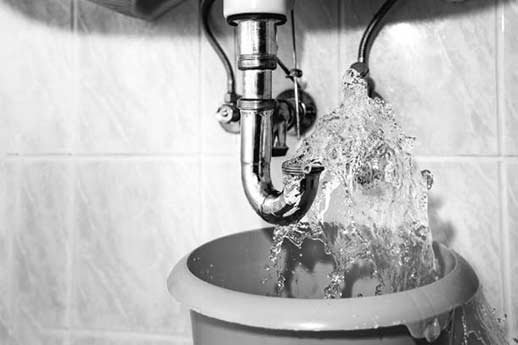
On the other hand, significant plumbing issues that pose immediate risks or threats require professional expertise and should be handled by a licensed plumber. These issues may include burst pipes, sewage backups, major leaks, or a complete loss of water supply. Attempting DIY repairs in such situations can lead to further damage, personal injury, or contamination. In these instances, it is crucial to contact a plumber promptly to address the issue and minimize any potential long-term damage.

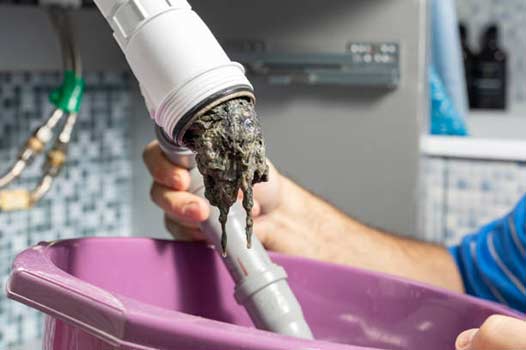
clogged drain that needs professional drain cleaning.

If the plumbing issue is localized within your property, such as a clogged drain or leaking faucet, the responsibility typically falls on the property owner.

Evaluating Responsibility: Property or Main Water Line

Another factor to consider when deciding between contacting a plumber or the water company is to determine where the plumbing issue originates. Understanding the source of the problem can help identify who holds the responsibility for repairs and maintenance.

If the plumbing issue is localized within your property, such as a clogged drain or leaking faucet, the responsibility typically falls on the property owner. In these cases, it is appropriate to call a licensed plumber to handle the repairs. Plumbers have the necessary expertise to diagnose and fix internal plumbing problems efficiently.

However, if the issue appears to be a result of a problem within the main water lines or the overall water distribution network, it is advisable to reach out to the water company. This is especially true if multiple properties in the area are experiencing similar issues. The water company has the resources and knowledge to address problems that affect the broader water distribution system.

Consider Local Regulations and Water Service Agreements

When it comes to navigating plumbing issues, it is important to consider local regulations and any water service agreements you may have with the water company. These factors can influence your decision on whether to contact a plumber or the water company.

In some instances, there may be regulations in place that dictate specific procedures for handling plumbing issues. For example, certain types of repairs or modifications to the main water line may require approval or coordination with the water company. Understanding these regulations can help ensure that you follow the appropriate protocols when dealing with plumbing problems.

If you have a water service agreement with the water company, it is advisable to review the terms and conditions outlined in the agreement. Some agreements may cover specific types of repairs or maintenance, which would indicate whether it is the responsibility of the property owner or the water company. By familiarizing yourself with the terms of the agreement, you can make an informed decision on who to contact when faced with a chicago plumbing issue.

In Conclusion

When navigating plumbing issues in Chicago, it is essential to carefully assess the situation before deciding whether to contact a plumber or the water company. Understanding the roles of a plumber and the water company, evaluating the severity of the problem, determining responsibility, and considering local regulations and agreements are all critical aspects of making the right choice.

By becoming familiar with these factors and taking them into consideration, you can effectively address plumbing issues in a timely and appropriate manner, ensuring the safety and functionality of your property’s plumbing system. Whether it’s a minor leak or a major water supply disruption, making the right decision will save you time, money, and potential headaches in the long run.

error: Content is protected !!